Myth Busting
Is It Dangerous to Reheat Rice? The Bacillus cereus Breakdown
Reheating rice can be safe if done correctly, but improper storage and reheating may lead to food poisoning from Bacillus cereus spores. This article explains the science behind the risk and offers practical steps to enjoy leftover rice without worry.
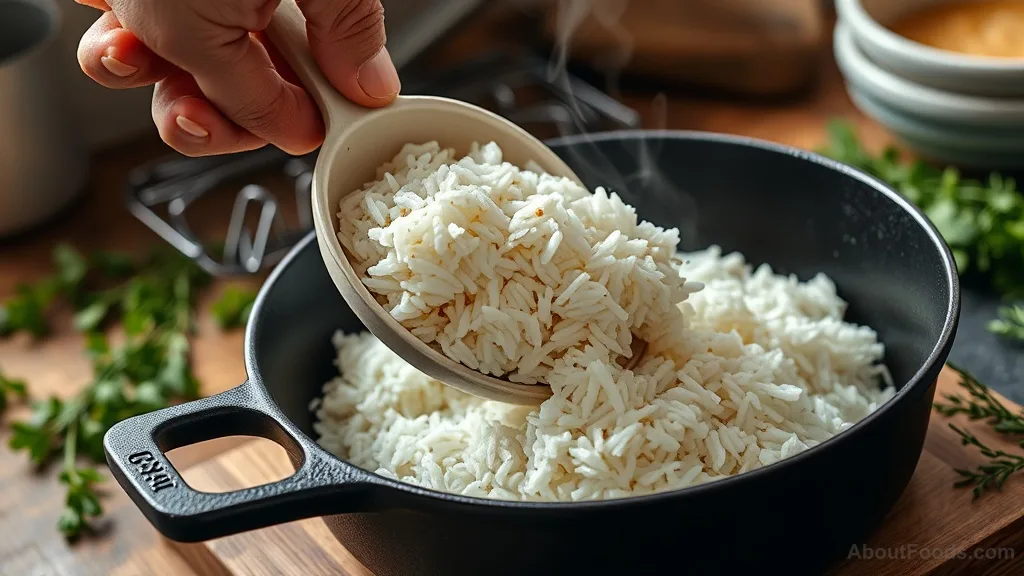
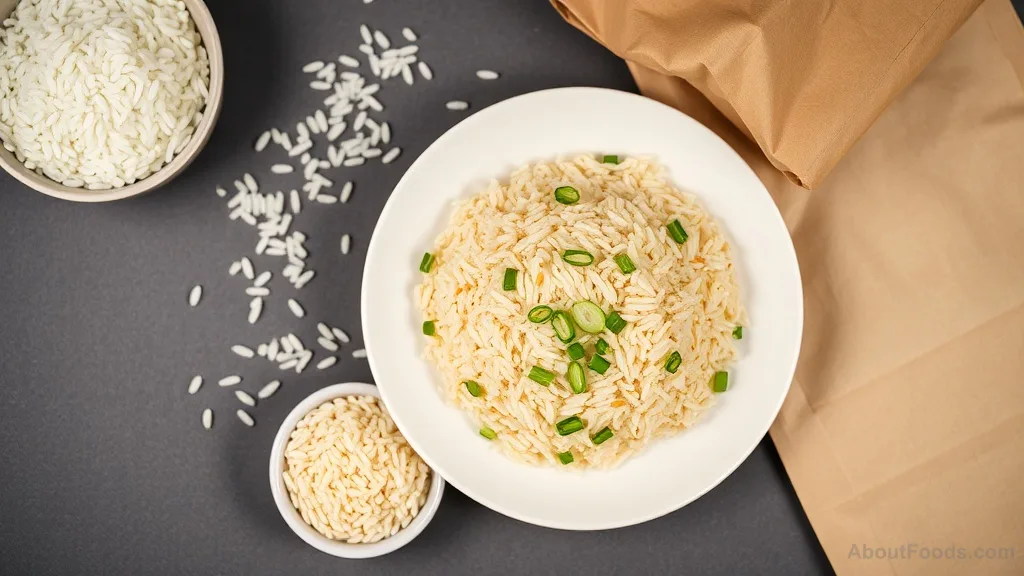
The Myth: Reheating Rice Causes Food Poisoning
You've likely heard the warning: never reheat rice, it's a one-way ticket to food poisoning. It's a kitchen tale that's been passed around dinner tables and cooking blogs for years. But is it actually dangerous to reheat rice? The short answer: no, not inherently — but the way you handle rice before reheating can turn it into a bacterial breeding ground. Let's peel back the layers of this sticky myth.
Meet the Culprit: Bacillus cereus
Rice's reputation for food poisoning largely ties to a bacterium called Bacillus cereus. This microbe is a bit of a kitchen ninja: it exists in soil and on raw grains, including rice, as hardy spores. These spores can survive boiling water — yes, even when you cook your rice. The real problem starts when cooked rice is left at room temperature for too long. The warmth and moisture wake the spores, which then germinate and produce a heat-stable toxin. And here's the kicker: that toxin doesn't break down when you reheat the rice. Eating rice contaminated with this toxin leads to the classic "fried rice syndrome": vomiting and diarrhea within a few hours.
The Two Toxins and Their Effects
Bacillus cereus actually produces two distinct types of toxins. One is an emetic (vomiting) toxin that forms in the food itself, which is why it's tied to starchy dishes like rice and pasta. The other is a diarrheal toxin that builds up in your gut after you eat the bacteria. The emetic toxin is heat-stable, so reheating won't help. The diarrheal toxin is more fragile but develops when live bacteria multiply inside your intestines. Both are unpleasant, but neither is typically life-threatening for healthy adults. Still, avoiding either is far preferable to rolling the dice.
Why Rice Is More Susceptible than Other Leftovers
It's not just rice — other starchy foods like pasta, potatoes, and cooked grains can also host Bacillus cereus. So why has rice become the poster child? Partly because rice is frequently cooked in bulk and left out for extended periods, such as at buffets or takeaway meals. Its neutral flavor also encourages prolonged holding at warm-but-not-hot temperatures. Psychologically, many cooks think holding rice, which sits in a cooker on 'warm,' is safe. But if the rice temperature dips into the danger zone (between 4°C and 60°C) for more than two hours, conditions are perfect for spore germination.
How to Store and Reheat Rice Safely
When Reheating Becomes Risky: Recognising the Warning Signs
If leftover rice has been sitting out at room temperature for more than two hours, it's safest to toss it. The same goes for rice with an off smell, slimy texture, or visible mold — but note that Bacillus cereus contamination doesn't always change the look or taste of rice. This is why time and temperature rules are your most reliable guide. A common mistake is storing huge pots of warm rice directly in the fridge; the center stays warm for too long, inadvertently creating a safe haven for spores. Always cool rice first in small, shallow containers.
Busting More Myths: Microwave Heating and Special Techniques
Some people believe microwaving rice doesn't get hot enough to kill bacteria and toxins. While microwaves can heat unevenly, the goal is to bring the whole portion to 74°C. A quick stir halfway through and resting for a minute ensures even temperature distribution. But remember: heating won't destroy the preformed emetic toxin. The only way to avoid that toxin is to prevent its formation by proper storage. So the real trick isn't in the reheating method — it's in your post-cooking routine.
Takeaway: Should You Stop Reheating Rice?
No, you don't have to swear off leftover rice. The dangers of Bacillus cereus are real but wholly preventable with mindful storage. The big three steps are: cool it quickly, store it cold, and reheat it hot. If you're still worried, you can also eat leftover rice cold, for example, in rice salads or sushi, provided it was cooled and stored safely first. Ultimately, understanding the biology takes the fear out of the process and puts control back in your hands — and your dinner plate.
How quickly does cooked rice need to be refrigerated?
Aim to get rice into the fridge within two hours of cooking. Ideally, spread it out to cool for about 30 to 60 minutes first so it doesn't raise your fridge temperature.
Does reheating rice kill Bacillus cereus?
Reheating can kill the vegetative cells, but it may not destroy the heat-stable emetic toxin if it has already formed. That's why cooling and proper storage are critical.
Can I safely eat leftover rice cold, say in a salad?
Yes, as long as the rice was cooled rapidly and refrigerated properly. Cold rice salads can be safe if leftovers are less than a few days old and have been kept at ≤4°C.
What does Bacillus cereus poisoning feel like?
The emetic form (vomiting) comes on fast, usually 1 to 6 hours after eating, while the diarrheal form takes 8 to 16 hours. Symptoms usually resolve within 24 hours.
Rate this article
No ratings yet. Be the first to rate it.

Written by
Elodie Laurent
Specialises in French cuisineElodie is a Parisian who moved to the countryside to make cheese. She names her goats after French philosophers.
Describe yourself in three words: Earthy, philosophical, smells faintly of chèvre.