Kitchen Techniques
Kitchen Techniques vs Guesswork: What Actually Matters
Stop guessing and start cooking with confidence. We break down the core kitchen techniques that genuinely affect your food, backed by food science.
Why Techniques Beat Guesswork Every Time
In my years of teaching and cooking, I've noticed a peculiar habit: home cooks often rely on vague rules-of-thumb when precise techniques would yield far better results. We've all heard someone say, 'Just cook it until it looks done.' But what does 'done' actually look like? The difference between a perfect steak and a dry hockey puck often comes down to knowing the right technique versus making an educated guess. Let's explore the kitchen techniques that genuinely matter and bust some common guesswork myths.
Salting: The Difference Between Seasoned and Salty
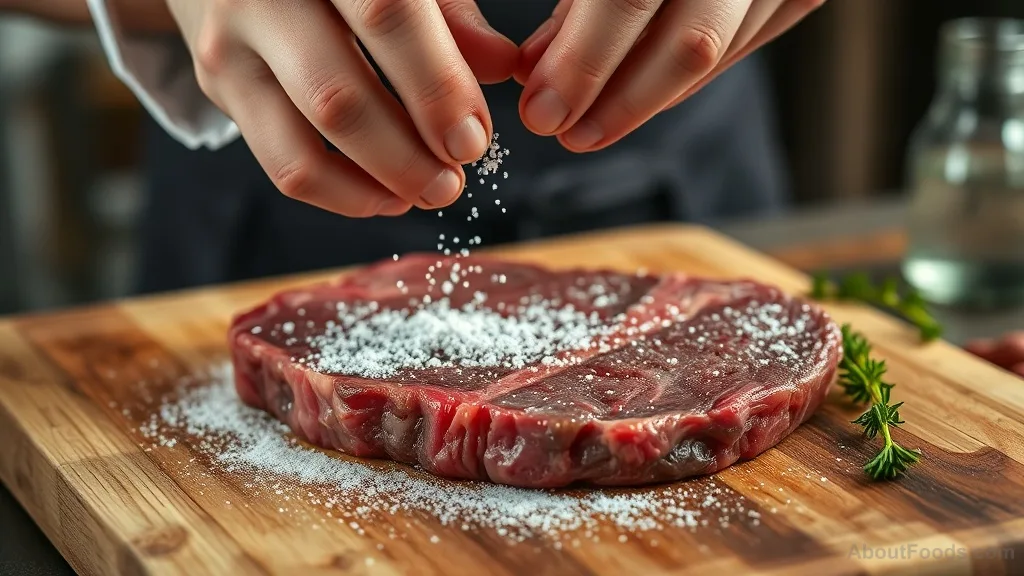
A common guesswork approach to salting is to sprinkle a pinch over the dish at the end. Technically, salting at the right time changes everything. Salt does more than add flavor; it alters protein structures and draws out moisture. For meats, salting in advance allows time for the salt to penetrate and season the interior, and also helps the surface dry for better browning. For vegetables, salting draws out water, which can be used to create brines or to concentrate flavors. The technique of 'dry brining' a turkey or chicken shouldn't be guesswork—it's a deliberate process that ensures juicy, well-seasoned meat. So, don't just salt at the end; plan your salting around your cooking method.
- Salt meat at least 40 minutes before cooking
- or even overnight for larger cuts.
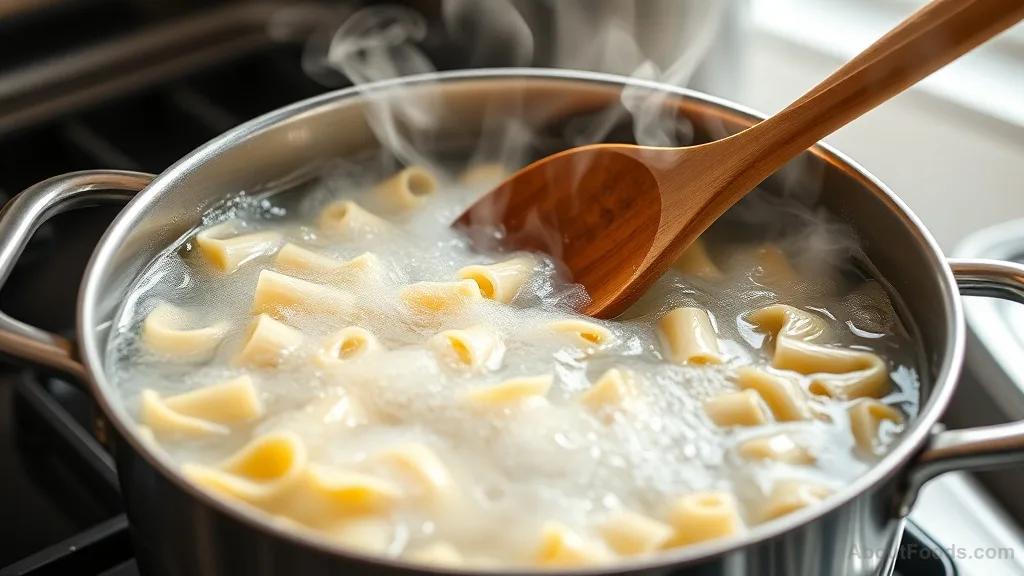
- Salt pasta water until it tastes like the sea—about 1-2 tablespoons per 4 quarts.
- For vegetables like eggplant or zucchini
- salt and let sit to remove bitterness and improve texture.
Heat Control: Knowing Your Pan's Language
Guesswork often comes in when we set the stove dial to 'medium-high' without knowing what that actually means. The truth is, stoves vary wildly, and the number on the knob is merely a suggestion. A technique that matters is learning to read your pan: the Leidenfrost effect (when a drop of water skitters on the surface) indicates the pan is properly hot for searing. For gentle cooking like scrambled eggs, the pan should be warm enough to sizzle a butter drop gently but not immediately brown. Instead of guessing, use visual and auditory cues. Preheat your pan properly, test with a drop of water or butter, and adjust accordingly. Your food will thank you.
Browning: Maillard Reaction vs. Caramelization
Brown equals flavor—it's almost a universal truth in cooking. But guesswork says 'cook until brown,' while technique says 'dry surface and medium-high heat.' The Maillard reaction, which creates those complex roasted flavors, requires temperatures above 285°F (140°C) and a relatively dry surface. Caramelization, the browning of sugars, needs even higher heat, around 320°F (160°C). If your pan is overcrowded, the food steams rather than browns. So, technique matters: pat meat dry, don't crowd the pan, and resist the urge to move the food too early. Let it develop a crust before flipping.
| Type of Browning | Key Factor | Temperature Range |
|---|---|---|
| Maillard Reaction | Amino acids + reducing sugars | 285-330°F (140-165°C) |
| Caramelization | Sugar only | 320-360°F (160-180°C) |
Temperature Over Time: The Constant in Every Recipe
A common guess is that cooking longer means more tender. Not necessarily. With tough cuts, low and slow (around 200-225°F or 93-107°C) does break down collagen, but only over hours. With tender cuts, high heat for less time (like a quick sear for tuna) preserves texture. The technique here is using a thermometer. Waiting until the meat 'feels' done is guesswork—and often overdone. Invest in a good instant-read thermometer and use it. For roasts, take off the heat at 5-10°F below your target, as residual heat will continue cooking.
Should I wash chicken before cooking?
No. Washing chicken splatters bacteria all over your kitchen. Pat it dry with paper towels and cook it to 165°F (74°C).
Does searing meat really 'lock in' juices?
No. Searing creates flavor through browning but doesn't seal in juices. The crust may reduce moisture loss slightly, but it's not a lock.
Is it better to cook pasta at a full rolling boil?
Yes. High heat keeps the water at a consistent boil to prevent sticking and ensures even cooking.
Final Thought: Trust Technique, Not Myth
Cooking is both art and science, but the science should not be guesswork. The next time you step into the kitchen, question the 'why' behind each step. Why do you salt that eggplant? Why do you preheat the pan? The more you understand the technique, the more confident you become. And confidence tastes delicious.
Rate this article
No ratings yet. Be the first to rate it.

Written by
Elodie Laurent
Specialises in French cuisineElodie is a Parisian who moved to the countryside to make cheese. She names her goats after French philosophers.
Describe yourself in three words: Earthy, philosophical, smells faintly of chèvre.