Food Science
The Maillard Reaction: What It Is, How It Works, and How to Control It
The Maillard reaction is responsible for many of the browned, deeply savory flavors that make cooked food feel rich, satisfying, and complete.
1. The flavor that doesn’t exist in raw food
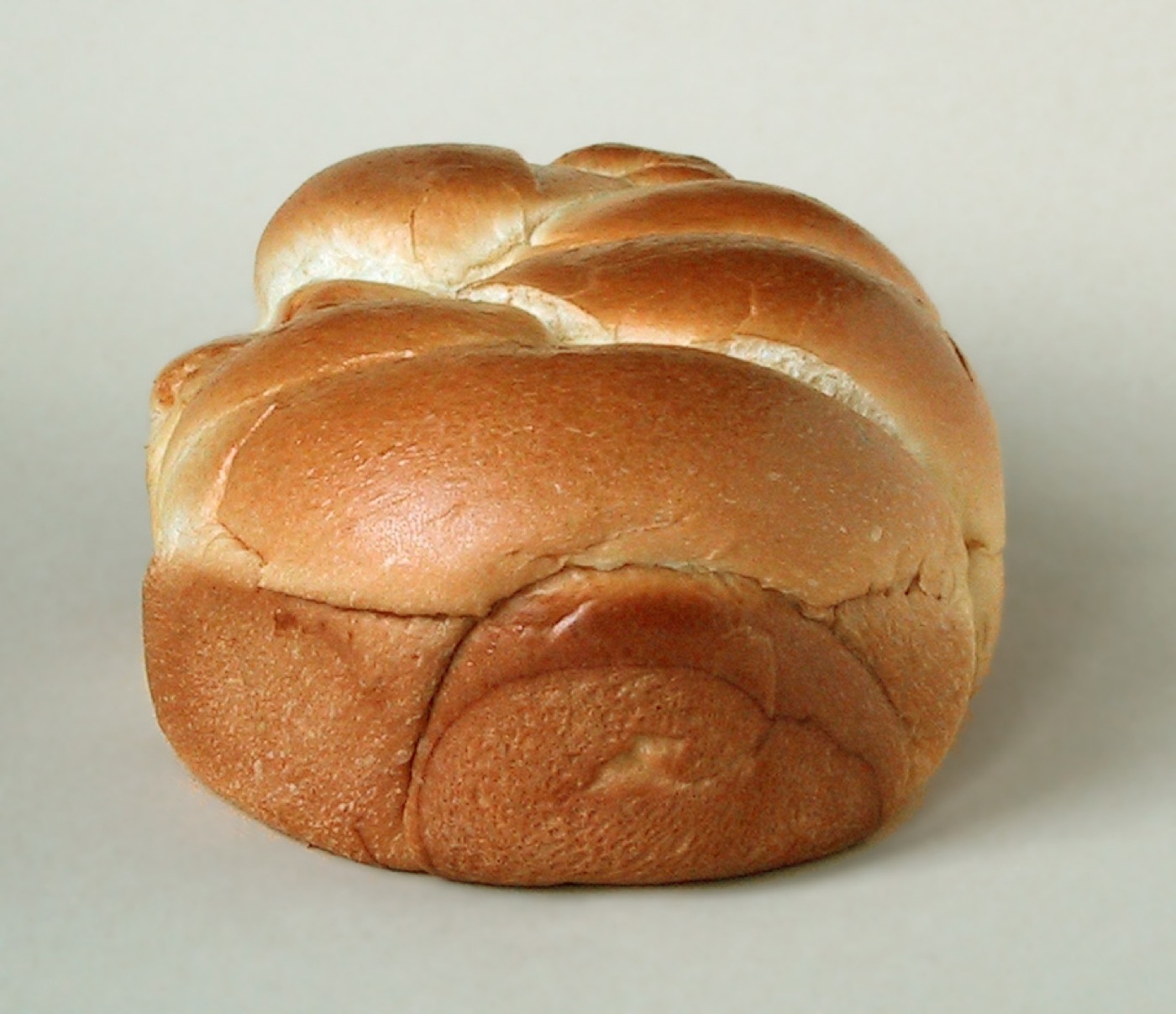
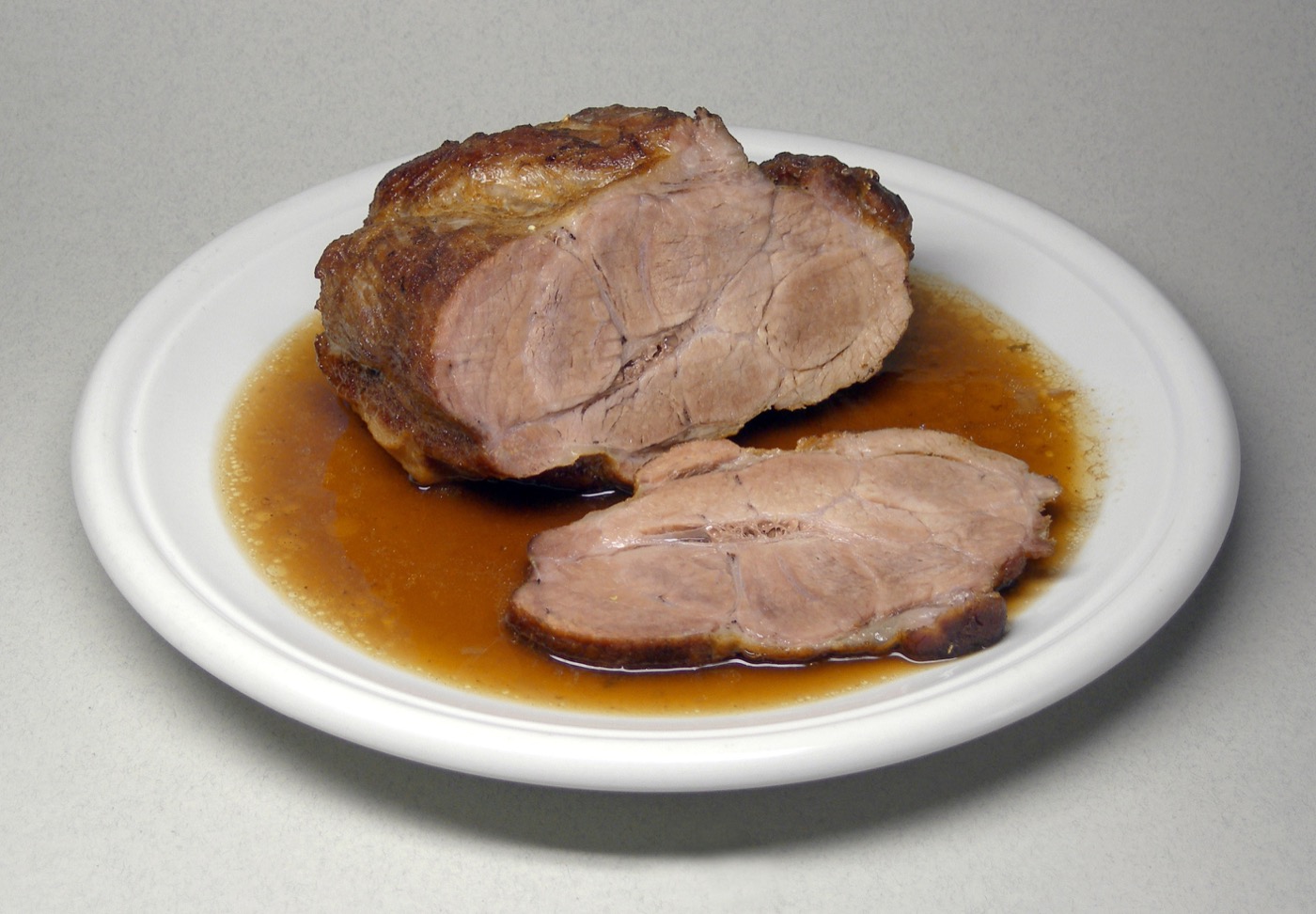
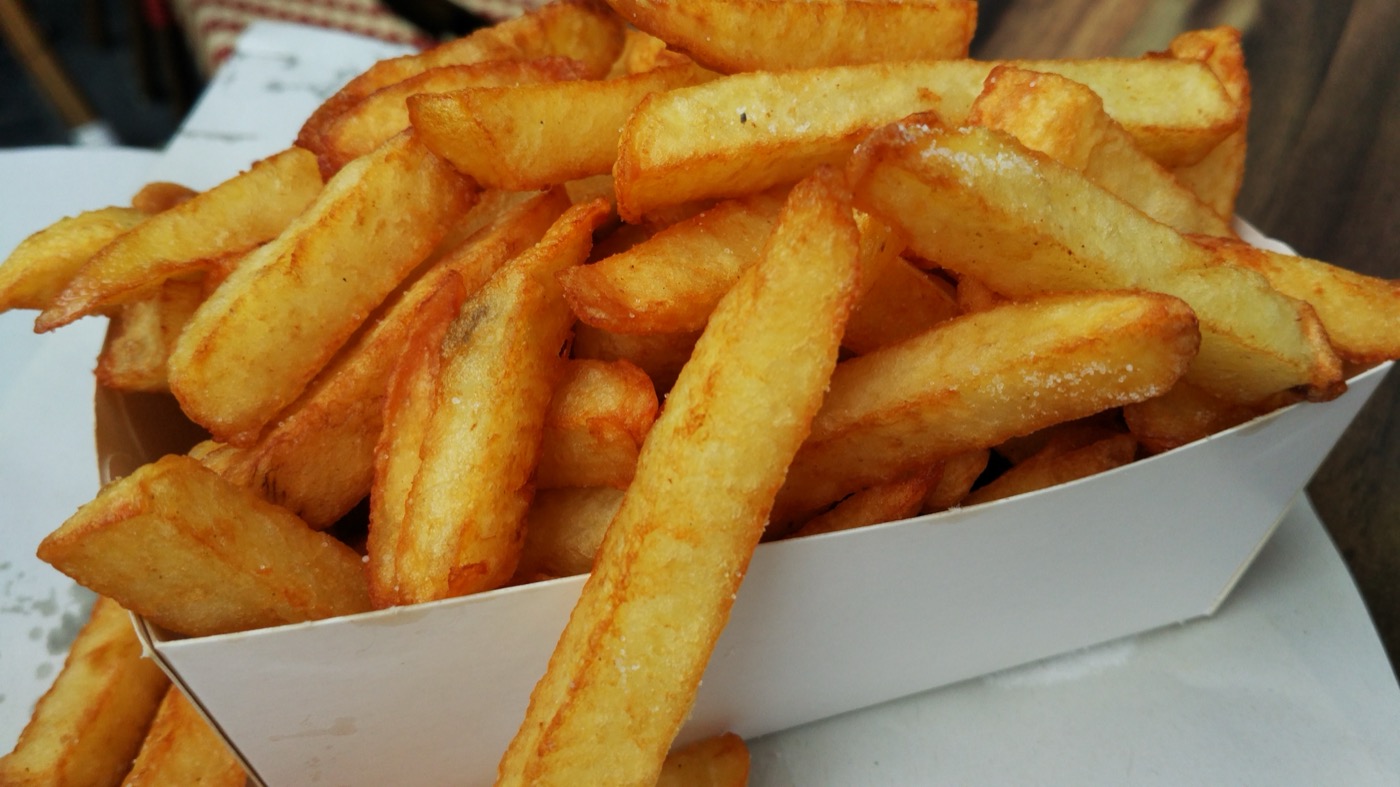
Raw ingredients often smell mild or unfinished. But once heat is applied, a completely new layer of aroma appears. That roasted smell from seared steak, toasted bread, fried onions, and coffee beans comes from the same family of reactions.
In simple terms, the Maillard reaction creates flavor during cooking. It turns familiar ingredients into something far more complex, and understanding that process helps you brown food with intention instead of luck.
2. What is the Maillard reaction?
The Maillard reaction, pronounced my-YARD, is a heat-driven reaction between amino acids and reducing sugars. It produces brown color, roasted aroma, and the savory depth that defines properly cooked food.
It is not one single event but a cascade of reactions. That is why browned foods can taste nutty, meaty, toasty, bready, or even slightly chocolatey depending on the ingredient and cooking method.
Maillard vs. caramelisation
| Feature | Maillard reaction | Caramelisation |
|---|---|---|
| What reacts | Amino acids and sugars | Sugar alone |
| Flavor | Savory, roasted, nutty | Sweet, toffee-like |
| Examples | Steak crust, bread crust, roasted coffee | Caramel sauce, brûlée topping, candy |
3. The five variables you can actually control
Temperature
The reaction starts slowly around 140°C and becomes much more active above 150°C, which is why proper preheating matters.
- Preheat your pan before adding food.
- Roast vegetables hot enough to brown instead of just soften.
- Aim for deep browning, not scorching.
Surface moisture
Wet surfaces stay too cool for good browning because the water has to evaporate first.
- Pat meat dry before searing.
- Do not crowd the pan.
- Give steam a way to escape.
pH
A slightly alkaline environment speeds browning, while acidic ingredients can slow it down.
- A tiny pinch of baking soda can boost browning.
- Acidic ingredients like lemon or vinegar can suppress it.
- Use alkaline boosters sparingly to avoid off flavors.
Protein and sugar content
The Maillard reaction needs amino acids and sugars, so some foods brown more easily than others.
- Beef, bread, onions, and mushrooms brown especially well.
- Soy sauce and fermented ingredients can enhance browning.
- Lean foods may need help from a light glaze or marinade.
Time
Heat and time work together. Faster browning gives a thin crust, while slower browning builds deeper complexity.
- Watch the color rather than relying only on the clock.
- Golden to mahogany is the target range.
- Lower and slower gives a different flavor profile than a hard sear.
4. One steak, four methods
A simple steak test makes the theory obvious. Wet surfaces produce pale and patchy results, while a dry steak in a fully preheated pan develops a darker crust, better aroma, and more intense savory flavor.
The big lesson is practical: dry surfaces, strong heat, and enough contact time create the best browning.
5. Maillard beyond meat
This reaction is not just about steak. It appears across baking, roasting, fermenting, and toasting, and it shapes the flavor of many everyday foods.
- Bread crust develops flavor while the moist interior stays pale.
- Coffee and cacao only gain their familiar roasted notes after heating.
- Toasted nuts and seeds become dramatically more aromatic and complex.
- Onions build a sweet-savory depth during extended browning.
- Roasted vegetables become richer and more balanced than steamed ones.
6. When to suppress it
Browning is not always the goal. Delicate fish, poached foods, white sauces, and some soups are better when their flavors stay light, clean, and gentle.
Knowing when not to pursue browning is just as useful as knowing how to create it.
7. Quick reference cheat sheet
- Temperature: Get the cooking surface hot enough to brown, not steam.
- Moisture: Dry food browns; wet food steams.
- pH: Alkaline speeds browning and acid slows it.
- Ingredients: You need both amino acids and sugars.
- Time: Watch color development, not just the clock.
Frequently asked questions
What temperature does the Maillard reaction occur?
It begins slowly around 140°C and becomes much more active above 150°C, with especially strong browning in the 155–165°C range.
What is the difference between the Maillard reaction and caramelisation?
Caramelisation involves sugar alone and tastes sweeter, while the Maillard reaction involves amino acids plus sugars and creates roasted, savory complexity.
How do you increase the Maillard reaction while cooking?
Dry the surface, use proper heat, avoid crowding, and let the food stay in contact with the hot cooking surface long enough to brown.
Does it happen in boiling water?
No. Boiling water stays around 100°C, which is too low for meaningful Maillard browning.