Myth Busting
Why You Should Stop Believing ‘MSG Causes Headaches’ (It Doesn't)
For decades, MSG has been blamed for headaches and other symptoms, but the science says otherwise. This myth-busting article explains what MSG really is, why the fear started, and why you can enjoy it without worry.
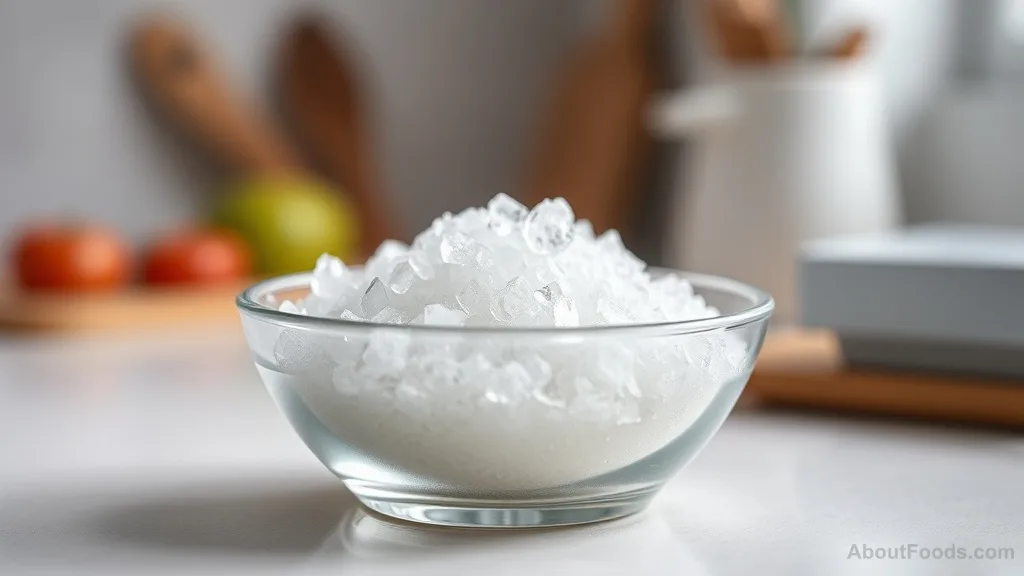
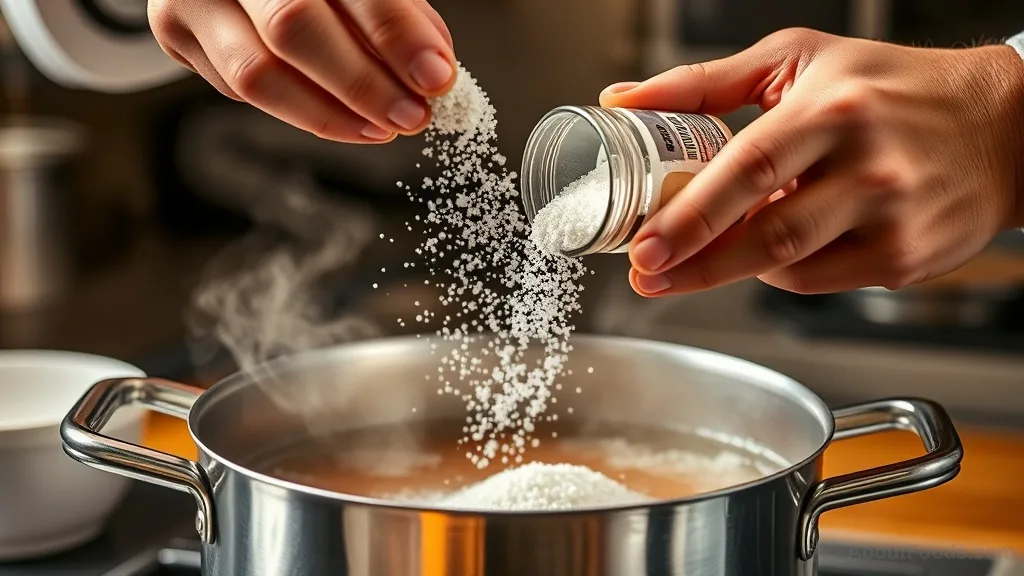
The Myth That Just Won't Die
If you've ever heard that MSG causes headaches, you're not alone. For decades, monosodium glutamate has been blamed for a host of symptoms, from migraines to chest tightness, often lumped together as 'Chinese restaurant syndrome.' But here's the truth: the science does not support it. Despite what your aunt or that food blog from the 90s told you, MSG is safe, naturally occurring, and delicious. Let's break down the myth once and for all.
I grew up in Vietnam, where a sprinkle of MSG was as normal as salt. My grandmother would add a tiny pinch to her broth, and we never thought twice. It wasn't until I moved to the West that I encountered the fear. So let's look at the facts.
What Actually Is MSG?
MSG is simply the sodium salt of glutamic acid, an amino acid that is one of the building blocks of protein. Glutamate is found naturally in many foods we eat every day: tomatoes, mushrooms, Parmesan cheese, seaweed, and even breast milk. The glutamate in MSG is chemically identical to the glutamate in these foods. When we eat MSG, our bodies digest it the same way as any other dietary glutamate. There is no special 'MSG' receptor that distinguishes it from natural glutamate.
Your tongue has specific receptors for glutamate, which give us the savory taste known as umami. This fifth basic taste, alongside sweet, sour, salty, and bitter, signals protein-rich foods and makes them deeply satisfying.
Where Did the Myth Come From?
The myth traces back to 1968, when a doctor named Robert Ho Man Kwok wrote a letter to the New England Journal of Medicine describing symptoms he experienced after eating Chinese food. He suggested MSG might be the culprit. The letter was anecdotal, but it sparked a firestorm. The media coined the term 'Chinese restaurant syndrome,' and despite a lack of evidence, the idea stuck.
Multiple rigorous studies since then—including double-blind, placebo-controlled trials—have found no consistent link between MSG and headaches or other symptoms. The U.S. Food and Drug Administration (FDA) classifies MSG as 'generally recognized as safe' (GRAS). The Joint FAO/WHO Expert Committee on Food Additives has set an acceptable daily intake, but even that is not based on headaches—it's based on a safety margin for any potential effects at extremely high doses.
Why Some People Still Think It Causes Headaches
For a small number of people, consuming very large amounts of MSG on an empty stomach might cause transient symptoms like headache or tingling. But the doses used in these studies are far above what anyone would eat in a normal meal. Typically, a person would need to eat 3 grams or more without food to trigger such effects—that's about half a teaspoon of pure MSG, far more than the amount used in cooking.
Moreover, the placebo effect is powerful. If you believe MSG will give you a headache, you may experience one after eating it even if no MSG was actually present. In controlled studies, participants were just as likely to report headaches after eating a placebo as after eating MSG.
How MSG Makes Food Taste Better
MSG doesn't just add saltiness; it adds umami, that savory richness that makes food taste whole. It works synergistically with nucleotides from meat, fish, or mushrooms, enhancing the perception of other flavors. A tiny pinch can reduce the need for salt, lowering sodium intake while maintaining flavor—a win for health-conscious cooks.
Try adding MSG to tomato sauce, scrambled eggs, or soups. You'll notice a depth that wasn't there before. The trick is to use it sparingly—too much can be unpleasant, just like too much salt.
Practical Tips for Using MSG at Home
- Start small: Use about 1/4 teaspoon per pound of meat or per 4 servings of soup or sauce.
- Combine with salt: MSG and salt work together
- you may need less salt overall.
- Sprinkle on vegetables before roasting to enhance their natural sweetness.
- Add to marinades for meat or tofu to deepen savory notes.
- Use in stocks
- sauces
- salad dressings
Frequently Asked Questions About MSG
Is MSG bad for your health?
No. The FDA and other international food safety authorities consider MSG safe for the general population. Studies have debunked the link to 'Chinese restaurant syndrome.'
Can MSG cause an allergic reaction?
MSG is not an allergen. Some people may be sensitive to large doses on an empty stomach, but true allergy is extremely rare.
How much MSG is safe to eat?
The Joint FAO/WHO Expert Committee set an acceptable daily intake of 30 mg per kg of body weight, but this is based on a safety buffer, not a threshold for harm. Most people consume far less.
Is MSG naturally occurring?
Yes. Glutamate is naturally found in many foods like tomatoes, mushrooms, and cheese. The glutamate in MSG is chemically identical.
The Takeaway
The idea that MSG causes headaches is one of the most persistent food myths of our time, but it's not backed by evidence. MSG is a safe, natural flavor enhancer that can help you cook delicious food with less sodium. So next time you see a friend pour MSG into their pho, don't flinch. They're just making their broth taste as it should.
Rate this article
No ratings yet. Be the first to rate it.

Written by
Linh Nguyen
Specialises in Vietnamese cuisineLinh makes pho that takes 12 hours. She says the secret is charring the ginger and onion until they weep.
Describe yourself in three words: Quiet, devoted, smells of star anise.