Myth Busting
Myth: You Must ‘Bloom’ Spices in Oil Every Time
Blooming spices in oil can deepen flavor, but it's not always necessary. This article breaks down the science behind volatile aroma compounds and explains when to bloom and when to skip it.
The Blooming Claim: What We Were Told
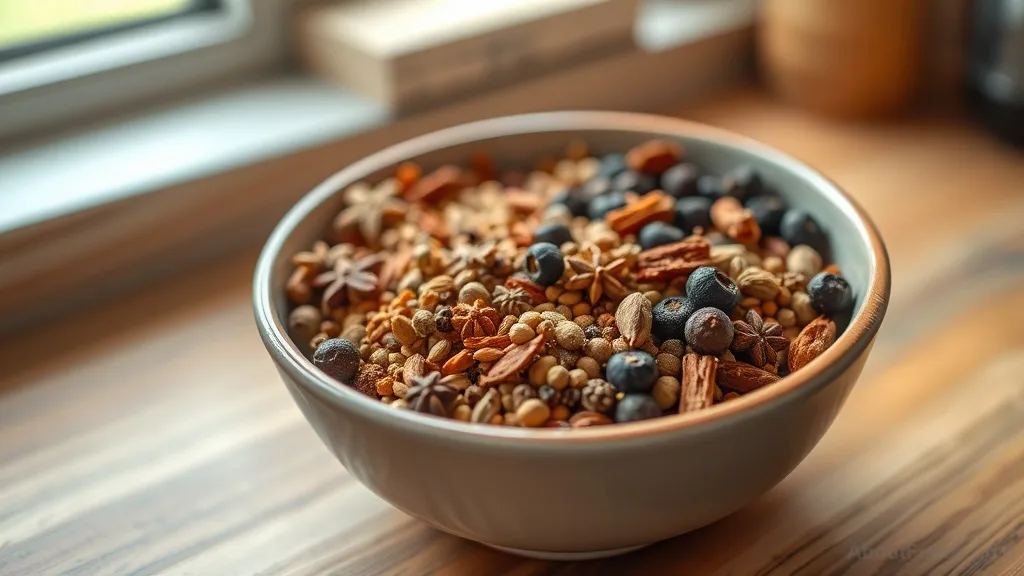
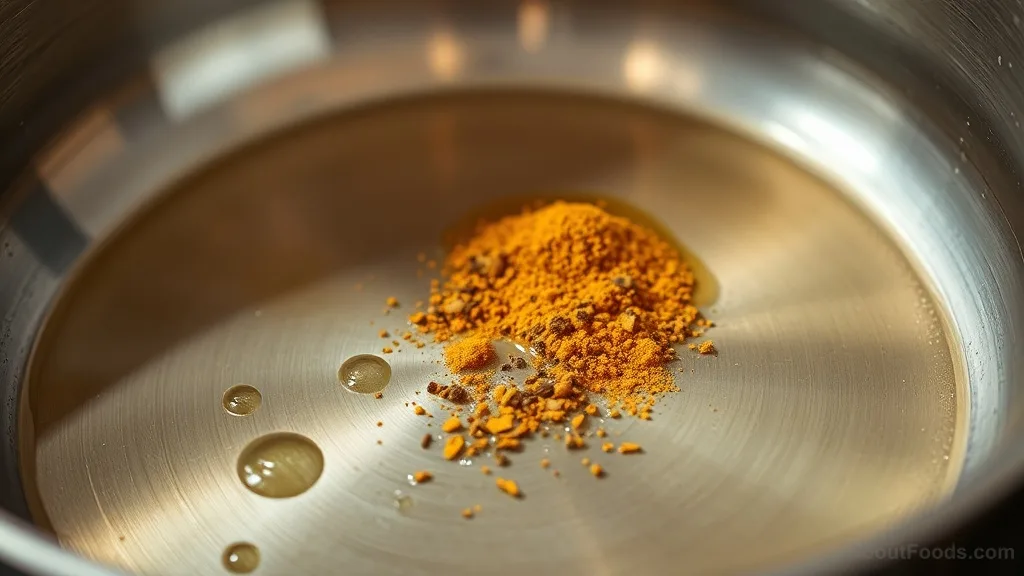
You've heard it from chefs, bloggers, and cooking shows: 'Always bloom your spices in oil first. It's the only way to unlock their full flavor.' This advice is so widespread that many home cooks feel they're failing if they skip this step. But is it always true? I like to watch my spices toast in hot oil—the crackle, the aroma rising—but I also know that not every dish needs that treatment. Let's look at the science behind volatile compounds, fat solubility, and the real effect of heat.
What Does Blooming Actually Do?
Blooming means heating spices briefly in a fat (oil, ghee, or butter) to release and concentrate their aromatic compounds. Many flavor molecules are fat-soluble, meaning they dissolve more readily in oil than in water. Heating accelerates the release of these volatiles—the compounds that give spices their distinct smell and taste. When you bloom cumin seeds in hot oil, you're essentially extracting the aroma into the oil, which then carries that flavor throughout the dish.
The key takeaway: blooming works best for whole or ground spices that are robust and can handle heat. But here's where the myth creeps in—this step is often presented as mandatory, when really it's optional and sometimes even counterproductive.
When Blooming in Oil Is Truly Necessary
There are clear cases where blooming is the best technique. If you're building a base for a curry, stew, or sauce where the oil is the primary carrier of flavor, blooming spices at the start infuses the entire dish. For example, a traditional Indian tadka (tempering) of cumin seeds in ghee or oil is essential for that signature nutty note. Similarly, blooming ground spices like turmeric, cumin, and coriander early in cooking helps them meld with other ingredients. The heat also reduces raw, dusty notes from ground spices.
- Whole spices like cumin
- mustard seeds
- and fenugreek release much more aroma when toasted in oil.
- Ground spices benefit from a short bloom to deactivate enzymes that cause bitterness.
- Fat-based dishes like vinaigrettes or oil-based marinades bloom spices to carry flavor directly into the fat.
But even in these cases, the bloom is about optimization, not necessity. You can add spices directly to a simmering dish and still get good flavor—it just takes longer and may be less intense.
When You Can Skip Blooming (Without Guilt)
Here's the liberating part: many dishes don't need blooming, and sometimes it can even harm your food. If you're making a soup, broth, or braise where water is the primary liquid, blooming in oil has limited benefit because volatile compounds are not all fat-soluble. Some aromatics are water-soluble and will release during simmering anyway. For example, cardamom in a warm milk drink or cinnamon in an apple compote: heating in oil can actually burn delicate volatiles or create off-flavors. Also, if you're adding spices at the end of cooking—like a sprinkle of garam masala or za'atar—blooming would destroy their fresh, top-note aromas. Save blooming for spices you want deep and integrated; use fresh spices for brightness.
The Science of Fat Solubility vs. Water Solubility
Not all flavor compounds are created equal. Some are fat-soluble (lipophilic), others water-soluble (hydrophilic). When you bloom in oil, you're primarily extracting the fat-soluble compounds. Water-soluble ones—like many of the pungent notes in ginger, or the sharpness of fresh turmeric—are better released in water. In a dish that contains both fat and water (which is most stews and curries), the distribution of these compounds will happen naturally over time. Blooming simply speeds up the extraction of fat-soluble compounds into the fat phase. If you only have a small amount of fat, blooming becomes less effective. And if the dish is mostly water, you're better off blooming in water (like a tea) or simply adding spices directly.
Practical rule: if a spice tastes more aromatic after being heated in oil, it's likely fat-soluble. If it tastes more vibrant added fresh, it's likely water-soluble or heat-sensitive. Trust your senses.
Dry Toasting: An Alternative That Often Works Better
Before we dismiss all heating, consider dry toasting. Heating spices in a dry pan (no oil) is a traditional method in many cuisines, especially for whole spices. Dry toasting drives off moisture and toasts the outer layers, creating deeper, nuttier flavors without dissolving them into fat. This is excellent for spices you'll grind later, or for adding to dishes where you want a toasted note but not an oily one. Dry toasting works because the heat still releases volatile compounds—they just disperse into the air rather than being trapped in oil. That's why toasting cumin seeds in a dry pan fills your kitchen with aroma, but you lose some of that if you bloom in oil (the oil holds the aroma). So which is better? For whole spices that you'll grind, dry toast. For spices that stay in the dish, blooming in oil is effective. But neither is mandatory.
Practical Takeaways for Home Cooks
In my kitchen, I bloom spices when I want that intense, integrated base flavor—like for a slow-cooked stew or a rich curry. But for a quick weeknight soup or a simple grain bowl, I'll add spices directly to the pot with the liquid. The world doesn't end. The flavor is still there, just a bit more subdued. And sometimes, that's exactly what you want.
Frequently Asked Questions
Rate this article
No ratings yet. Be the first to rate it.

Written by
Anders Lindberg
Specialises in Scandinavian cuisineAnders is a forager who puts lingonberries on everything, including pizza. His neighbors have filed a complaint.
Describe yourself in three words: Stoic, nature-obsessed, quietly intense.