Myth Busting
Myth Busting Explained: What Home Cooks Need to Know
Home cooking is full of folklore passed down as gospel. This article separates fact from fiction by tackling popular kitchen myths with real food science, giving you practical, evidence-based tips to improve your cooking.
Introduction: The Trouble with Kitchen Myths
I’m Marco, and I’ve spent years in kitchens where pancetta meets miso and creamy sauces get an umami kick from all corners of Asia. One thing I’ve learned: home cooks love a good rule. The problem? Many so-called rules are myths passed down by grandma, chef mentors, or internet commenters. They sound logical, but they can actually hold you back. Here, we’ll bust six of the most persistent kitchen myths using real food science. Get ready to cook smarter.
Myth #1: Searing Meat Locks in Juices
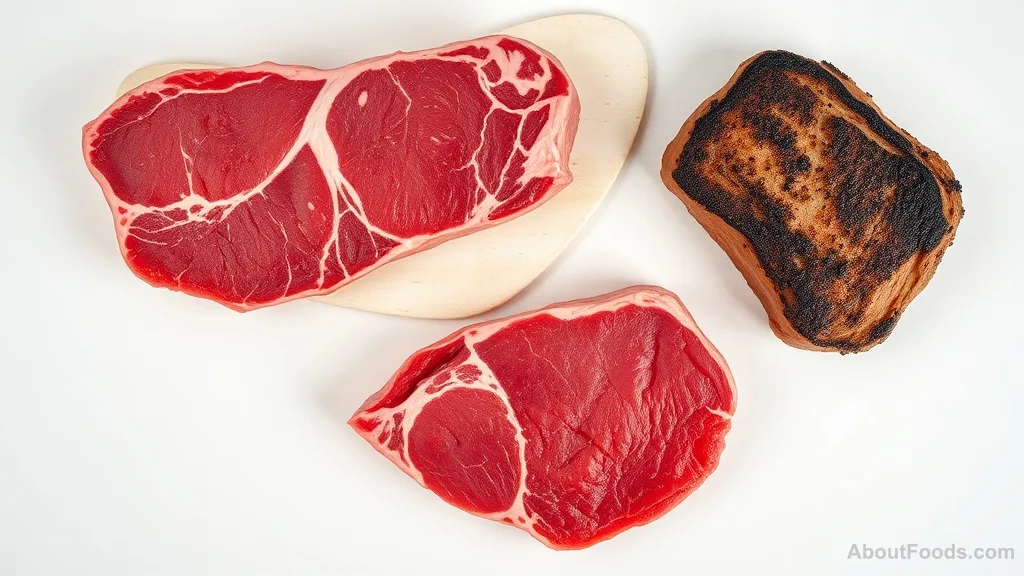
Let’s start with the granddaddy of kitchen myths. The idea is that quickly searing meat at high temperature creates a barrier that traps moisture inside. It makes intuitive sense: you see steam struggling to escape, and the crust looks like a seal. But science says otherwise.
Searing causes the Maillard reaction—a chemical cascade between amino acids and reducing sugars that forms hundreds of flavor compounds. The crust you get is a flavor goldmine, but it does not significantly reduce moisture loss. In controlled experiments, seared and unseared steaks lose nearly the same amount of water during cooking. Instead of a watertight seal, think of searing as a flavor crust. The real keeper of moisture is cooking to the correct doneness and avoiding excessively high oven temperatures that push gradient loss.
Myth #2: Alcohol Completely Cooks Off
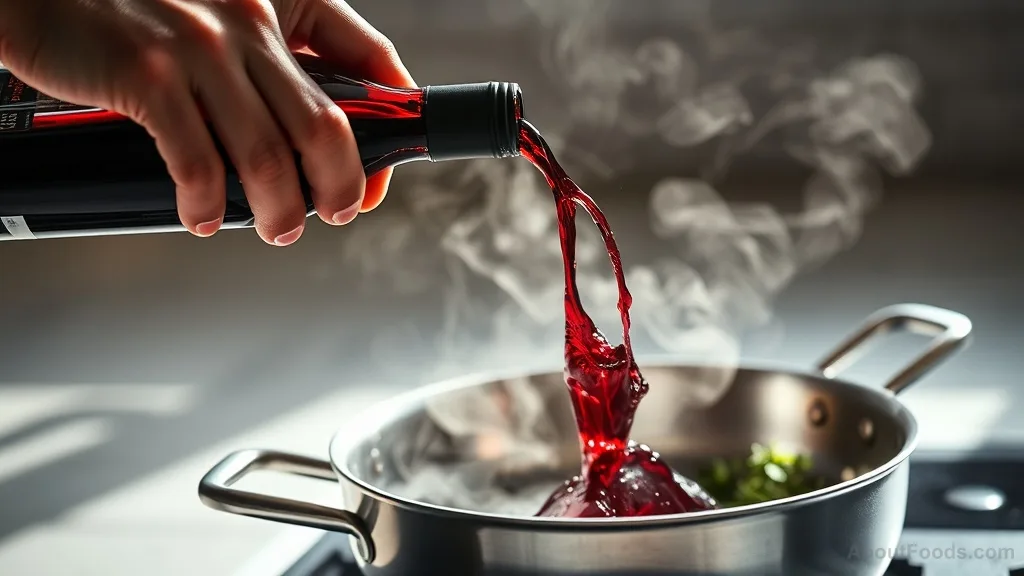
Many home cooks and popular cooking shows claim that as soon as you simmer wine or liquor in a pan, the alcohol vanishes, leaving only flavor. I thought that too until I broke out my inner food nerd.
The truth depends on time, temperature, and uncovered cooking. A general guideline: flambéing removes only about 25% of alcohol; simmering for 15 minutes leaves about 40%; a two‑hour braise still retains around 5%. Even long-cooked stews may have trace alcohol. If you’re cooking for someone who avoids alcohol entirely, dilute the alcohol beforehand or skip it, especially for delicate dishes. For most of us, that leftover amount is negligible, but it’s good to know the numbers.
Myth #3: Fatty Marinades Tenderize Better
Slathering a steak in a garlic-herb oil and calling it a “tenderizing marinade” happens all the time. In truth, oil works as a solvent for fat‑soluble flavor compounds, helping them transfer to the surface of the meat. But it doesn’t actually tenderize.
Tenderizing requires enzymes or acids that break down connective tissue. Acids like citrus or vinegar can soften surface fibers if given enough time (but be wary: too long makes meat mealy). Enzymatic tenderizers like those in pineapple, papaya, ginger, or in a packaged meat tenderizer break down proteins more effectively. Oil plays little role. So when making a marinade, go for acids, flavorful liquids, and aromatics rather than rich oil. Keep the oil for searing afterward.
- Acids (citrus
- vinegar): tenderize surfaces
- but avoid over-marinating (30 min–2 hrs).
- Enzymatic tenderizers (pineapple
- papaya
- ginger): work deeper
- but can make meat mushy if too long.
- Oils: do NOT tenderize
Myth #4: Olive Oil Has a Too-Low Smoke Point for High Heat Cooking
It’s repeated often: never fry with extra‑virgin olive oil because it has a low smoke point (around 375°F/190°C) and will burn easily. People recommend “refined” oils like avocado for high heat. The reality: for most home frying, extra‑virgin olive oil is perfectly fine.
While the smoke point matters, EVOO is remarkably stable because it’s rich in monounsaturated fats. Many pan sears and cooks at 375°F work perfectly. If you push to 420°F for heavy searing, the smoke point makes it less ideal—yes, it can start smoking. But for all everyday sautéing low to medium? EVOO is good, and its flavor adds a welcome note. Do you want it for legendary high temp wok stir‑frys? Probably not reach for peanut or grapeseed oil. But for typical stovetop work, olive oil is fine. High quality EVOO actually resists breakdown better than generic “vegetable oil” due to natural antioxidants.
Myth #5: Carryover Cooking Doesn’t Affect Small Cuts or Chicken
We all know to let a roast rest so the carryover catches up and the juices settle. A myth persists that carryover cooking only happens for big roasts, or not for poultry.
Wrong. Carryover cooking occurs with any piece of meat because the outer layers continue transferring heat inward after cooking stops. A chicken breast can rise 5–10°F during a 10‑minute rest. A steak will keep climbing even while resting. Poultry, especially boneless, should be rested—not necessarily dunked in fat but covered loosely—so residual heat finishes gentle cooking up to the safe temperature edge without drying out or bursting the carryover past 165°F and turning muck. My favorite trick: pull chicken off heat around 155–158°F, rest 10 minutes, and it rises to a perfect 165°F. This saves white meat.
Myth #6: Salting Later (Never Last) Draws Out All Moisture
Some cooks avoid salting mushroom or eggplant minutes before cooking because “salt draws out all the water.” But the full story: it draws water but only a little. The method matters.
With typical home use—quarter teaspoon salting and cooking fastest—the water migration is minimal and in starch‑rich foods actually enhances interior browning. Letting mushrooms sweat in a heap, sure; they dump liquid. But spread out dry and salted just before sauté? Almost no liquid collection; still fine browning.
Upshot: salting early (like steaks 45 minutes before cooking?) That draws moisture but allows reabsorption and forms a drier surface—that’s fine. No dread: salt early liberally, rest, then dry. For some veg (like overpeeing from those salting eggplants very early for less bitterness) absolutely use the moisture extraction as intentional step. But for day‑span salads? Salt doesn't violate anything in a rush.
Practical Takeaways – Adopt This, Ditch That
To keep this science thing real: I’ve cooked thousands of silky asian and fat-marbled pancetta‑laden creations. These aren’t ivory tower theorems—they’re stovehacks extracted muscle memory. The overarching note: first principles win. Why a myth survives: something about it feels close—ev en if incomplete. Busting them teaches us reason. Next time hearsay enters your kitchen, flavor chase follow facts.
Frequently Asked Questions
Q: Didn’t they prove that searing does lock in juices long ago? A: Misinterpreted study people still cite from 1930s. Multiple modern tests using mass loss measurements show no significant moisture difference seared to non‑seared sam recipe. Flavor gains real, moisture gains gone.
Q: So can I swap out wine for broth when I don’t want alcohol? Yes, but flavor’s reduced by missing fermentation depth. Use broth ± touch of vinegar to tweak similar complexity. For exact sake alcohol evaporates enough depends on lengthy simmer so alternatives are safe among tee situations.
Rate this article
No ratings yet. Be the first to rate it.

Written by
Marco Delgado
Specialises in Asian Fusion cuisineMarco makes miso-carbonara (yes, again) but with pancetta. He is a copycat but delicious.
Describe yourself in three words: Copycat, creamy, pancetta lover.