Myth Busting
How Myth Busting Can Instantly Improve Taste and Texture: A Science-Backed Guide
Stop wasting time with common kitchen myths. Learn how breaking the rules—resting steak, salting meat early, rinsing pasta—actually unlocks better flavor and texture.
Why Myths Hold Your Cooking Back
We all learn cooking rules from our grandmothers, cookbooks, or food blogs. Some are golden. Others? They’re keeping your food from reaching its full potential. As a food scientist, I’ve seen how one wrong belief—like “never salt meat before cooking”—can sabotage flavor and texture. Today, I’m debunking the most persistent kitchen myths so you can cook with confidence and science on your side.
Think of it this way: every myth you bust is a new technique you master. Once you understand the why behind the rule, you become a more adaptable cook. No more fear, just better taste and texture.
Myth #1: Salting Meat Dries It Out
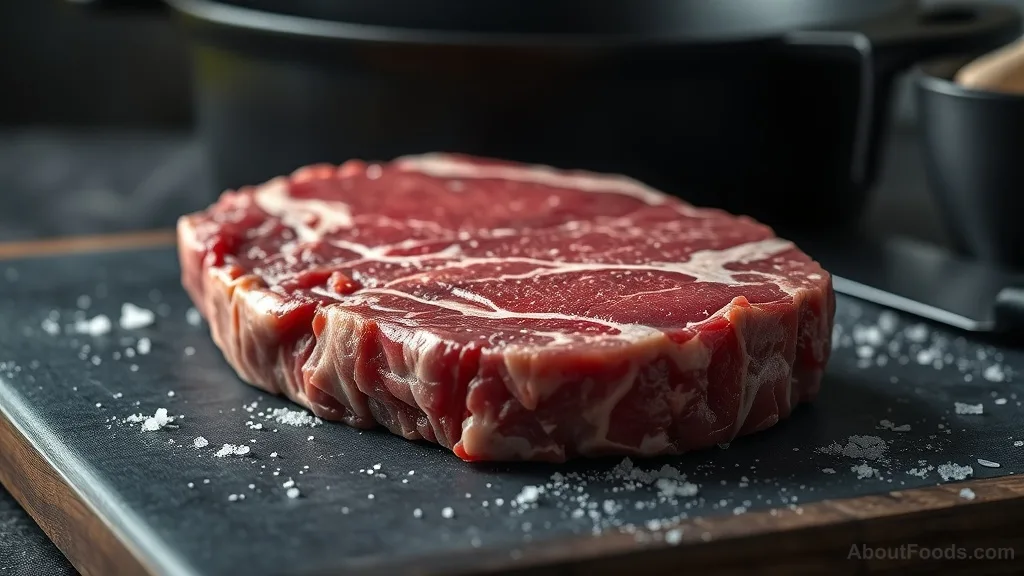
You’ve heard it a thousand times: “Salt your steak right before cooking, otherwise it will release all its juices and become tough.” This advice is half-true but outdated. Here’s the real science.
Salt initially draws moisture out of muscle fibers via osmosis—that’s the “sweating” you see. But if you wait at least 40 minutes (or better, overnight), the salt dissolves and is reabsorbed along with water. This process changes the protein structure, helping it hold onto moisture during cooking. The result: a juicier, more flavorful steak.
| Timing | Effect on Moisture | Result |
|---|---|---|
| Salting right before cooking | Surface moisture drawn out, no time for reabsorption | Steam-burst crust, less browning |
| Salting 40 minutes before | Initial moisture loss, then reabsorption | Even seasoning, slightly drier interior |
| Dry brining overnight | Full reabsorption, protein breakdown | Maximum juiciness, deep seasoning all the way through |
So, next time you cook a steak or a roast, salt it early—at least 40 minutes ahead—and let the science work its magic. For thicker cuts, overnight is even better.
Myth #2: You Must Rest Meat, But Not for the Reason You Think
The standard advice says resting meat lets juices redistribute so they don’t pour out when you cut. That’s true, but the real benefit is texture control.
When meat rests, its internal temperature continues to rise (carryover cooking). A steak pulled at 120°F (rare) will climb to about 125°F after 5 minutes. Resting also relaxes the muscle fibers, lowering the pressure gradient. If you cut immediately, pressurized juices flood out. Resting reduces that hydraulic pressure.
- Steaks: 5–7 minutes
- tented loosely with foil.
- Roasts: 15–20 minutes for a 3-pound roast.
- Whole chicken: 10–15 minutes before carving.
- Fried foods: Let them rest briefly on a rack to avoid soggy bottoms.
Don’t over-rest, though. You want to serve it warm. A 30-minute rest in a cold kitchen will turn that perfect medium-rare into a lukewarm disappointment. Use a clean cutting board and foil tent to keep heat in without creating steam.
Myth #3: Rinsing Pasta Prevents Clumping
I see this one especially in home cooks who prepare pasta for salad: they rinse under cold water to cool it down and prevent sticking. But for hot pasta dishes, rinsing is a disaster.
Pasta’s surface starch is what helps sauce cling to the noodles. Rinsing washes that starch away, leaving the pasta slick and slippery. Sauce slides right off. Instead, toss cooked pasta with a little sauce immediately, reserving a cup of pasta water. That starchy water is gold for loosening sauce and creating an emulsified coating.
The only time you should rinse pasta: when making a cold pasta salad, and you want to stop cooking and cool it quickly. Even then, toss with a little dressing to restore some cling.
Myth #4: Alcohol Burns Off Completely During Cooking
We all add wine, beer, or spirits to sauces, braises, and flambés, thinking the alcohol evaporates. But it’s not that simple.
For alcohol to evaporate, it must reach its boiling point (173°F for ethanol, but lower in solution). Even after simmering for 30 minutes, about 35% of the alcohol remains. After 2.5 hours, about 5% still lingers. Flambéing only burns off a small fraction because the flame goes out quickly.
| Cooking Time | Alcohol Retention |
|---|---|
| No simmer (just heated) | 85–100% |
| 15 minutes simmer | 40% |
| 30 minutes simmer | 35% |
| 1 hour simmer | 25% |
| 2.5 hours simmer | 5% |
If you’re cooking for someone who avoids alcohol for health or personal reasons, consider substitutes: non-alcoholic wine, broth, or vinegar diluted with water.
Myth #5: Mushrooms Should Never Be Washed – They Absorb Water
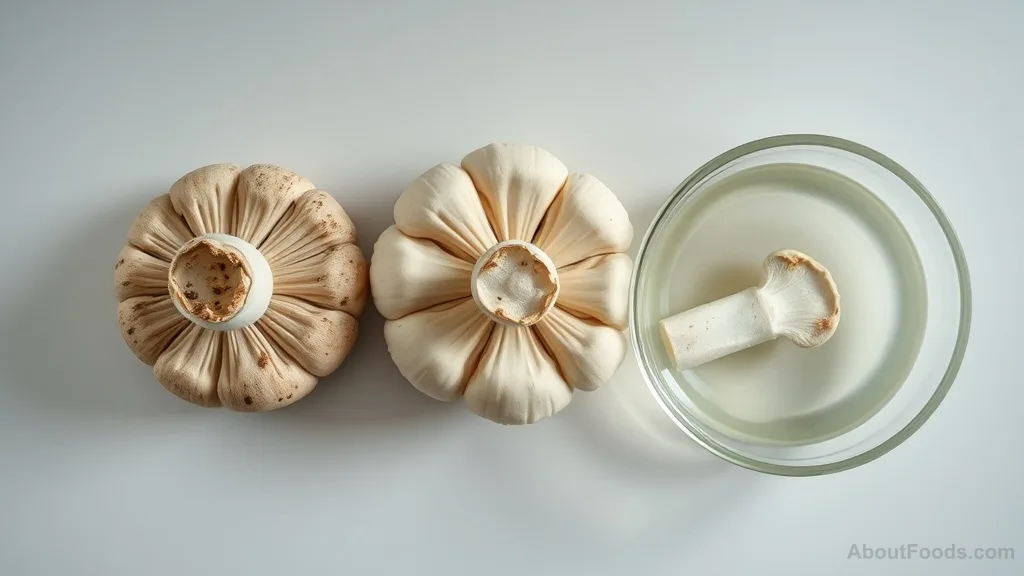
Every cooking source screams: “Never wash mushrooms! They soak up water like a sponge and turn slimy!” This is a half-myth. While mushrooms are porous and can absorb water, the amount is negligible if you do it right.
A 2014 study by the University of Auckland’s Department of Chemistry found that button mushrooms soaked for 5 minutes absorbed about 10% of their weight in water. While that’s some absorption, it’s not enough to ruin texture if you pat them dry thoroughly. For comparison, if you rinse quickly and pat dry, the water gain is minimal.
- Brush off dirt with a soft mushroom brush or dry cloth if you’re grilling or sautéing over high heat.
- For a thorough clean
- rinse under cold water for 10 seconds and immediately pat dry with paper towels.
- Never soak mushrooms in a bowl of water—that’s where the real absorption happens.
- If you’re stuffing mushrooms
- avoid water entirely
- brush clean.
The real culprit for soggy mushrooms is overcrowding the pan. They steam instead of sear. So next time you’re scared to wash your ’shrooms, remember: it’s the pan, not the water.
Myth #6: You Shouldn’t Cut Meat Immediately After Cooking (Yes, Rest It, but Also Cut Against the Grain)
We already covered resting, but another myth is that cutting against the grain is just for tender cuts. Actually, it applies to all meat. Muscle fibers are lined up like straws. Cutting across those straws shortens them, making each bite easier to chew. Cutting with the grain leaves long strands that are tough.
- Look for parallel lines of muscle fiber on the surface of cooked meat.
- Slice perpendicular to those lines
- about ½-inch thick for steaks.
- For brisket: cut against the grain
- but note that the grain direction can change in the flat and point.
Many cooks skip this step with roasts or chicken breast, leading to a tougher bite. Don’t be that cook. Take 5 extra seconds to find the grain and slice against it.
Frequently Asked Questions
Does marinating tenderize meat like salt does?
Marinades with acid (vinegar, citrus) can tenderize the surface, but they don't penetrate deeply. Use salt or a dry brine for interior seasoning. Enzymatic marinades (papaya, pineapple) work but can make meat mushy if overused.
Is it true that you shouldn't flip steak more than once?
Multiple flipping (every 30 seconds) cooks more evenly and builds a crust faster. The 'once-only' myth comes from not wanting to disturb the crust, but frequent flipping doesn't hinder browning—it prevents burning and speeds cooking.
Do I really need to use cold water when making stock to get clear broth?
Cold water helps release proteins that coagulate as scum, but you can use hot water if you are careful to simmer gently. The key is to avoid boiling, which emulsifies fat and cloudiness. Start cold for best results.
The Takeaway: Trust Science, Not Rumors
Cooking myths persist because they’re catchy—not because they’re true. Once you replace superstition with science, you unlock flavors and textures you never knew were possible. Salt early, rest properly, keep your pasta water, and sharpen your knives. You’ll cook like a pro without the guesswork.
Now go bust some myths in your kitchen. Your taste buds will thank you.
Rate this article
No ratings yet. Be the first to rate it.

Written by
Diego Garcia
Specialises in Mexican cuisineDiego is a taquero who uses a secret salsa roja that involves dried chiles he grows himself. He is a local legend.
Describe yourself in three words: Mysterious, proud, spicy.