Myth Busting
Everything Worth Understanding About Myth Busting in Food Science
Separate kitchen fact from fiction with science. This article tackles pervasive food myths—from searing meat to washing chicken—and explains why the truth matters for better cooking.
Why Myth Busting Matters in the Kitchen
Every cook has inherited rules from parents, cookbooks, or internet videos. Some are gospel; others are harmless fables. But a surprising number of widely held beliefs actively work against good cooking. When you understand the science, you can stop wasting time, effort, and ingredient quality. In this article, I’ll walk through several stubborn myths and explain what’s really happening at a molecular level.
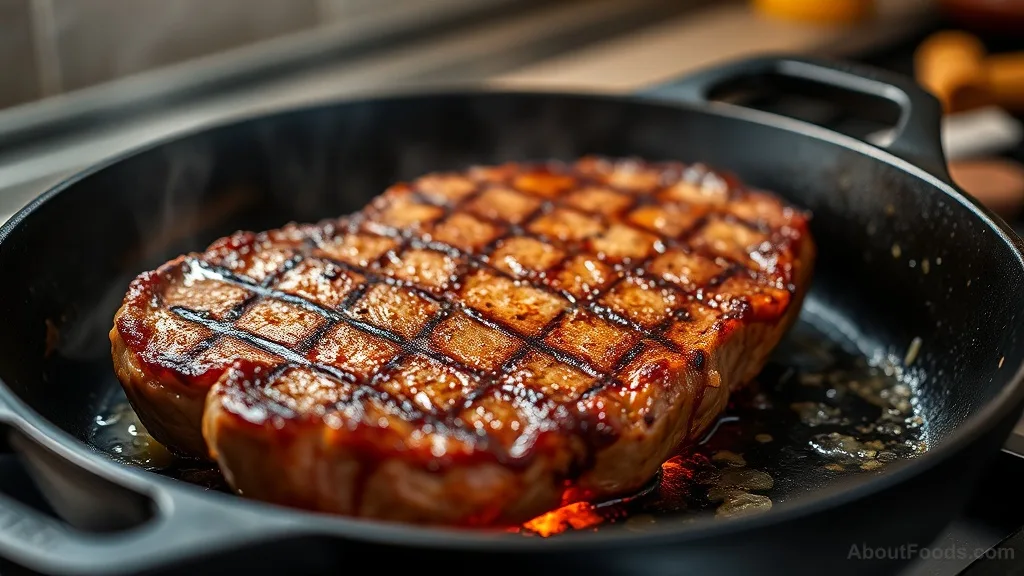
Myth 1: Searing Seals in Moisture
It’s the oldest rule in the book: sear your meat to “lock in the juices.” The idea is that a browned crust creates an impermeable barrier. But meat is not a water balloon. The crust is made of dehydrated, browned proteins—it does not stop moisture loss. In fact, a well-seared steak can lose more moisture internally during the rest period, but the overall moistness perception comes from proper doneness, not sealing. Searing is about flavor, not moisture retention. The Maillard reaction creates hundreds of aromatic compounds that make meat taste savory and complex.
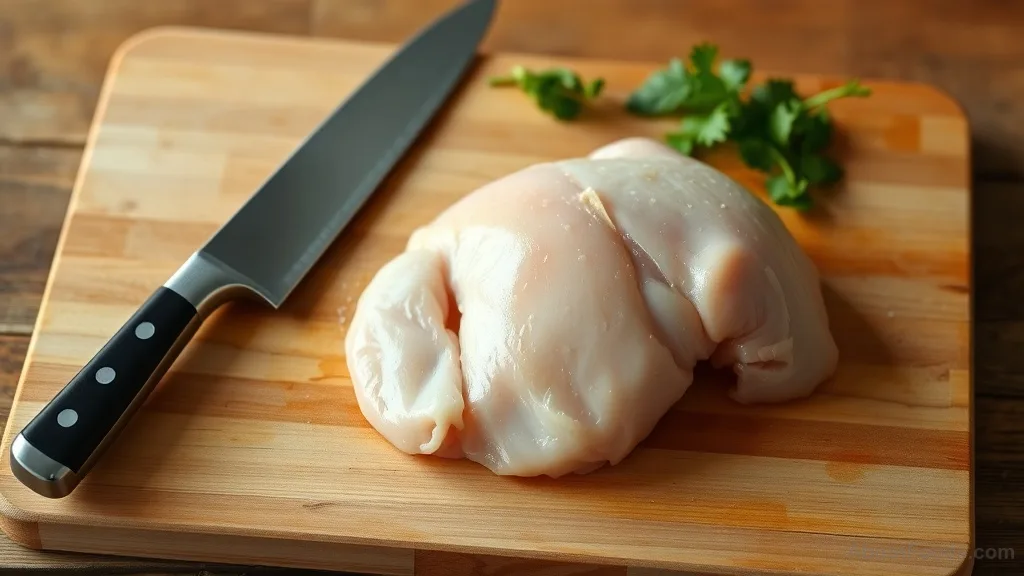
Myth 2: Washing Chicken Removes Bacteria
The USDA has said it clearly: do not wash raw chicken. Washing does not remove bacteria like Salmonella or Campylobacter by any significant amount. Instead, it splashes water droplets onto countertops, utensils, and your hands—spreading pathogens up to a meter away. Cook the chicken to a safe internal temperature of 74°C (165°F), and any bacteria will be killed. Washing is an unnecessary risk.
Myth 3: Adding Oil to Pasta Water Prevents Sticking
If you add oil to the boiling pasta water, you may think the oil coats the pasta and prevents clumping. Hydrophilic starch on the pasta surface actually repels oil underwater. The oil floats on top. Once drained, any coating is minimal. Oil can also prevent sauce from clinging to pasta, because the sauce slips off the oily surface. Instead, stir pasta immediately after adding it to the water, use plenty of water (at least 4 quarts per pound), and cook al dente. The best way to avoid sticking is to toss finished pasta with some of the starchy cooking water and your sauce.
Myth 4: Salting Eggs Before Cooking Makes Them Watery
Many chefs advise against salting scrambled eggs early because it causes the eggs to exude liquid and become watery. Eggs contain moisture held within protein networks. Salt does not break down the proteins instantly. If you salt eggs 15 minutes before cooking, some moisture may weep, but if you salt just before cooking, the effect is minimal. In fact, salting early (15 minutes) can improve texture by allowing salt to dissolve albumen proteins, resulting in tender, creamy scrambled eggs. The crucial point: do not let salted eggs sit for a long time before cooking—1–2 minutes is fine.
Myth 5: Mushrooms Should Not Be Washed
A common belief is that washing mushrooms makes them waterlogged and they become sponges. Mushrooms are about 90% water already. Their cell walls are rigid chitin; they don't absorb water like a sponge—unless you soak them for extended periods. Brief rinsing or quick wiping adds negligible moisture. Cooking will evaporate the water anyway. You can wash mushrooms right before cooking and dry them quickly. The flavor loss from dirty mushrooms is far worse than any extra water.
Frequently Asked Questions
Practical Takeaways
- Sear meat for flavor
- not to lock in juices.
- Never wash chicken
- cook to 165°F instead.
- Skip the oil in pasta water
- stir and use reserved pasta water for sauce.
- Salting eggs shortly before cooking yields tender results.
- Rinse mushrooms quickly if needed
Final Word
Myth busting is not about being contrarian—it’s about freeing yourself from unnecessary prep steps and focusing on techniques that genuinely improve your food. The science is simple once you see the mechanism. Next time you cook, question each step. You might be surprised how many cherished rules you can break for a better meal.
Rate this article
No ratings yet. Be the first to rate it.

Written by
Anya Ivanov
Specialises in Russian cuisineAnya makes pelmeni in batches of 500. She says freezing them is the only way to survive winter.
Describe yourself in three words: Stoic, efficient, freezer queen.