Myth Busting
The Myth of the 'Clean' Grill Grate — Should It Really Be Spotless?
Does a grill grate need to be perfectly clean? No. Black carbonized seasoning is flavor; grey ash is not. Here's the science of when to scrub and when to leave it.
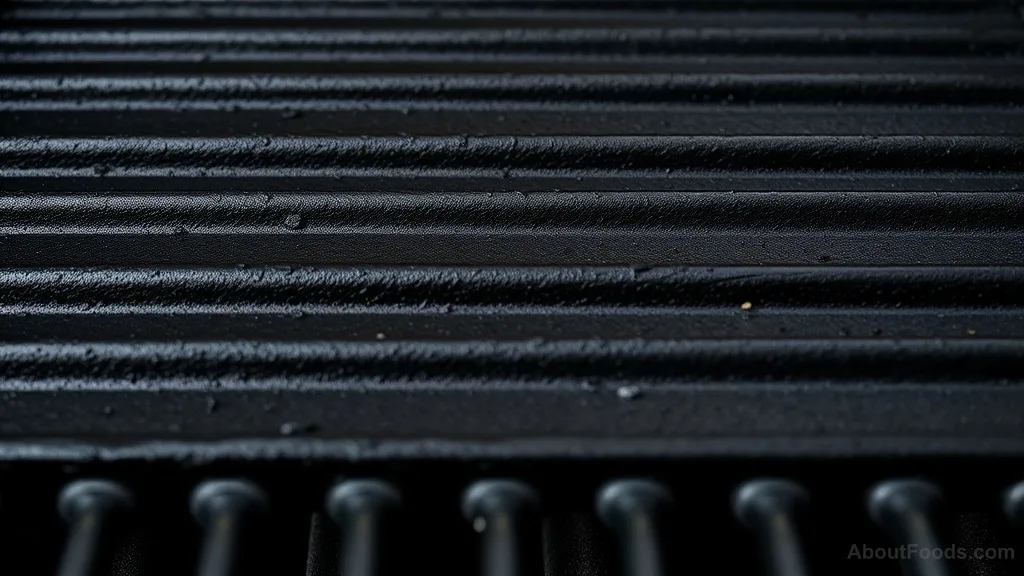
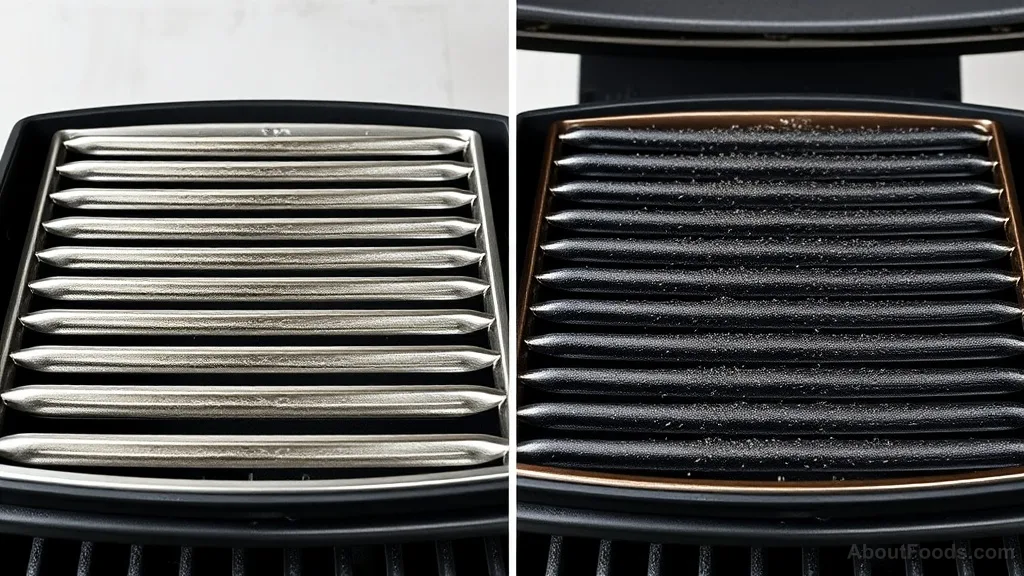
The Cleanliness Obsession
Every summer, home cooks scrub their grill grates to a mirror shine, convinced that any leftover black stuff is either carcinogenic or simply unhygienic. But if you’ve ever eaten a steak from a well-used grill at a BBQ joint and wondered why it tastes so much better than your backyard version, the answer might be hiding in that very 'dirt' you’ve been scrubbing off.
The Two Types of 'Dirt'
Not all black buildup is created equal. There are two distinct residues on a grill grate: carbonized seasoning and charred food debris. The former is your friend; the latter, if excessive, can be a problem.
Carbonized Seasoning: The Flavor Layer
When oils, fats, and proteins from previous cooks are heated to high temperatures, they undergo pyrolysis — a chemical decomposition by heat. The result is a thin, hard, black layer that acts like a non-stick coating (think of a well-seasoned cast iron pan). This layer not only prevents sticking but also contributes subtle smoky, roasted flavors to whatever you grill next. The compounds formed, such as pyrazines and furans, are the same ones that give grilled food its characteristic aroma.
Charred Food Debris: The Offender
On the other hand, if you leave large chunks of burned-on meat or sauce, those bits can become carbonized into a loose, ashy residue. This is the stuff you want to remove. It can impart bitter, acrid flavors and is a physical habitat for bacteria if left moist (though the high heat of grilling kills most pathogens). The key is to distinguish between a smooth, hard seasoning and a fluffy, flaky buildup.
The Science of Why a Little 'Dirt' Helps
A grill grate that has a patina of carbonized seasoning actually promotes better heat transfer and flavor. When you place a steak on a bare metal grate, the heat from the metal sears the meat primarily through conduction. But if the grate has a dark seasoning, that layer acts as a thermal mass — it holds heat and transfers it more evenly. Additionally, the seasoning itself contains hundreds of volatile flavor compounds that vaporize upon contact with fresh food, infusing it with that coveted grilled taste.
Maillard reaction and caramelization are accelerated on a seasoned grate because the surface is hotter and more reactive. A spotless, shiny grate often causes more sticking because the food’s proteins bond directly to the metal. On a seasoned grate, the carbon layer provides a release surface, much like a non-stick pan.
When to Clean and How Much
So, you don’t need to scrub your grate to bare metal after every use. But you do need to manage the residue. Here’s a practical guide:.
- After each use
- while the grate is still hot
- use a stiff wire brush to remove loose food particles and ash. This keeps the seasoning intact but removes the bad buildup.
- Once a season (or when you see thick
- flaky layers)
- do a deep clean with a grill stone or a ball of aluminum foil. Scrape until the surface is mostly smooth and dark
- not down to bare metal.
- Never use soap or degreasers on a cast iron or steel grate if you want to maintain seasoning. The soap will strip the flavorful carbon layer.
The goal is a smooth, dark, matte finish — like a well-loved cast iron skillet. Avoid a glistening, oily look (that's too much unburned grease) and also avoid a dry, ashy look (that's burnt residue).
Myth-Busting: Is Black Buildup Unhealthy?
There is a persistent fear that blackened grill residue contains carcinogens like heterocyclic amines (HCAs) and polycyclic aromatic hydrocarbons (PAHs). While it's true that these compounds can form when meat is grilled over high heat, they are produced during the cooking process itself, not from the grate's seasoning. In fact, a well-seasoned grate reduces charring and flare-ups, which actually lowers HCA and PAH levels. The key is to avoid burning food to a crisp — that's where the real risk lies.
Bacteria is another concern. After grilling, any residue left on the grate dries out. When you fire up the grill, the temperature easily exceeds 500°F (260°C), which is enough to sterilize any surface. So as long as you preheat and brush before cooking, you’re safe.
Practical Takeaways
- Embrace the dark seasoning on your grill grate — it's flavor
- not filth.
- Brush off loose debris while the grate is hot
- but don't scrub down to bare metal.
- If your grate looks grey and ashy
- it needs more cleaning. If it's glossy black
- it's perfect.
- For a deep clean
Next time you fire up the grill, resist the urge to make it spotless. Your taste buds — and your steaks — will thank you.
Frequently Asked Questions
Should I clean my grill grate before or after cooking?
After cooking, while still hot, brush off loose debris. Before cooking, preheat and give a quick brush to remove any ash. This keeps seasoning intact.
Can I use a wire brush on a ceramic grill?
No, wire brushes can scratch ceramic. Use a nylon brush or a pumice stone instead.
Is it safe to eat food that has black grill marks?
Yes. Black grill marks from a seasoned grate are fine. Avoid eating charred, burnt areas (blackened skin) if you're concerned about HCAs.
How do I re-season a grill grate that's been scrubbed too clean?
Rub a thin layer of high-smoke-point oil (like canola or grapeseed) on the cool grate, then heat the grill to high for 15-20 minutes. Repeat once or twice.
Rate this article
No ratings yet. Be the first to rate it.

Written by
Pim Saelim
Specialises in Thai cuisineThis Pim is a food scientist who weighs her fish sauce.
Describe yourself in three words: Methodical, geeky, lives for umami metrics.