Myth Busting
The Myth That ‘High-Heat Cooking Destroys All Enzymes’
Many home cooks believe that high heat wipes out all enzymes, making cooked food ‘dead.’ In reality, enzymes are just one factor in food quality, and cooking does more good than harm. Here’s the science on heat, enzymes, and nutrition.
The Raw Food Movement and the Enzyme Myth
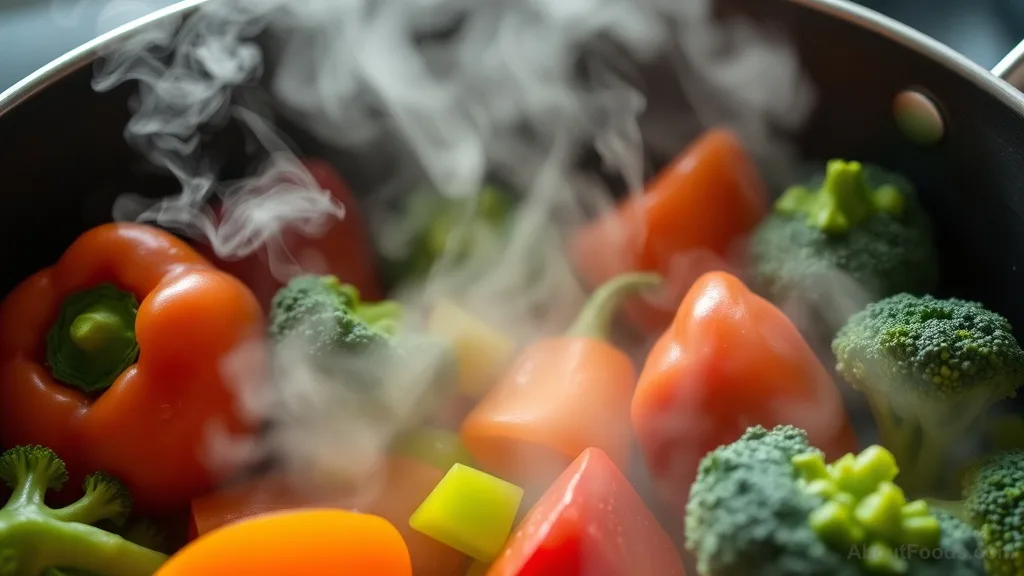
I’ve been in the kitchen long enough to hear every food myth under the sun. One that keeps coming back—like a stubborn garlic clove stuck to your cutting board—is the idea that high-heat cooking destroys all the enzymes in food, turning it into a nutritionally ‘dead’ meal. Proponents of raw food diets often claim that enzymes are vital for digestion and that cooking renders them useless. But let’s roll up our sleeves and look at the science, because the truth is a lot more interesting—and a lot less scary.
Yes, high heat does denature enzymes—meaning it changes their shape so they lose function. Most food enzymes are inactivated at temperatures above about 48°C (118°F) for plant enzymes, and even lower for animal enzymes. So boiling, roasting, or frying will deactivate a good portion of them. But here’s the key: your body doesn’t rely on food enzymes for digestion anyway. Your stomach and pancreas produce their own enzymes—pepsin, trypsin, and others—that break down proteins, fats, and carbohydrates. In fact, many food enzymes would be denatured by stomach acid even if you ate the food raw. So the notion that ‘dead’ enzyme food harms your digestion is simply not supported by biology.
What Happens to Enzymes When You Cook?
Enzymes are proteins that speed up chemical reactions. In food, they can cause ripening, browning, and even spoilage. When you heat food above a certain threshold, the protein chains unfold—a process called denaturation—and the enzyme loses its specific shape and activity. This is why blanching vegetables stops enzymatic browning and preserves color. But denaturation doesn’t mean the enzyme ‘disappears’; it just becomes inactive. Moreover, not all enzymes denature at the same temperature. Some heat-tolerant enzymes in certain foods (like honey or some fermented products) can survive moderate heating.
For example, the enzyme lipase in raw milk is inactivated at around 70°C (158°F), but soybeans contain a heat-stable enzyme called lipoxygenase that requires higher temperatures or longer times to deactivate entirely. So the idea of a blanket destruction is false. But even if all enzymes were destroyed, it wouldn’t be a nutritional crisis because we get our digestive enzymes from our own body, not from our plate.
Why Cooking Can Be Better Than Raw
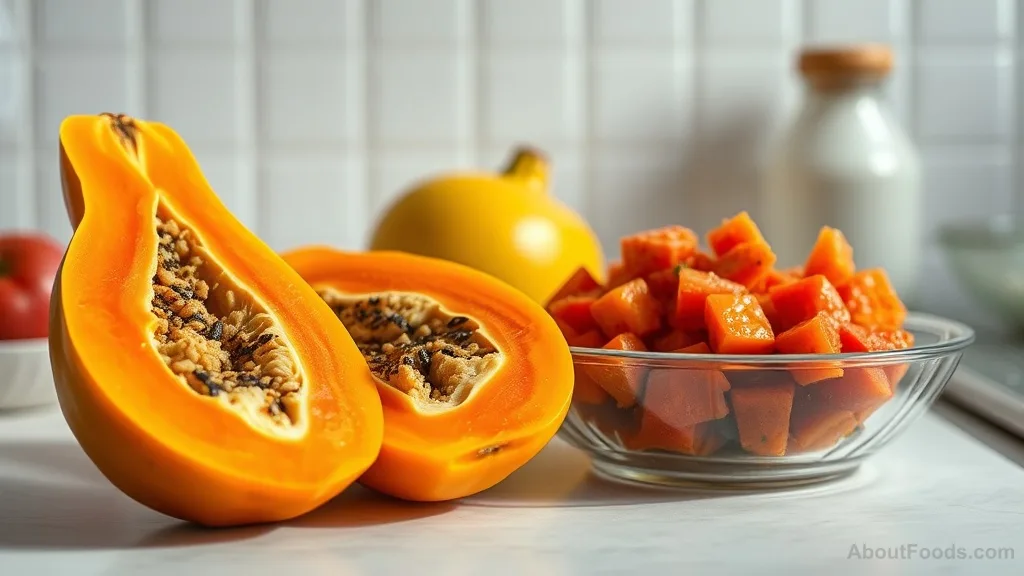
I’ll let you in on a secret: cooking often increases the bioavailability of nutrients. Take tomatoes, for example. Heat breaks down cell walls, releasing lycopene—a powerful antioxidant—and making it easier for your body to absorb. Similarly, cooking carrots increases your ability to absorb beta-carotene. Many vegetables are more nutritious cooked than raw, because the heat softens fibers and inactivates anti-nutrients like oxalates and lectins that can block mineral absorption.
- Lycopene from cooked tomatoes is up to 4 times more absorbable than from raw.
- Spinach cooked reduces oxalic acid
- freeing up calcium and iron.
- Cooking legumes deactivates lectins that can cause digestive upset.
- Asparagus cooked increases antioxidant activity overall.
So while enzymes are lost, what you gain in nutrient availability often outweighs what you lose. And remember: your body doesn’t need food enzymes to digest food. It produces its own—a system that has evolved over millions of years.
The One Exception: Raw Food Cultures and Fermentation
Now, I’m not anti-raw across the board. Fermented foods like kimchi, sauerkraut, and miso do rely on enzymes (and microbes) to transform ingredients. In these cases, heat would kill the beneficial organisms and halt fermentation. But that’s a different process—fermentation is about culturing, not about getting digestive enzymes from the food. The enzymes in fermented foods contribute to flavor and texture, but your body still uses its own enzymes for digestion. So enjoy your raw lacto-fermented pickles for their tang, not for enzyme supplementation.
Myths vs. Facts Table
Final Thoughts: Don’t Fear the Heat
I love a salad as much as the next person, but I also love a slow-roasted tomato tart that makes my kitchen smell like Provence. The enzyme myth has caused a lot of unnecessary anxiety around cooking. So here’s my practical advice: cook your vegetables in a way that makes you want to eat them. If that means steaming or roasting, great. Overcooking—like boiling broccoli to mush—does destroy nutrients and texture, but that’s not about enzymes; it’s about water-soluble vitamins and flavor loss. Use gentle methods when you can, but don’t think that a stir-fry or a roast is somehow ‘dead’ food. It’s alive with flavor, and your body knows exactly how to handle it.
FAQ: The Enzyme Myth
Does cooking broccoli destroy all its enzymes?
Yes, most enzymes in broccoli are denatured at typical cooking temperatures (above 60°C). But that doesn't reduce its value; you still get fiber, vitamins, and minerals. And your body produces its own digestive enzymes.
Can I get enzymes from raw honey?
Raw honey contains small amounts of enzymes like glucose oxidase, but they are not essential for human digestion. Heating honey above 40-50°C will inactivate them, but honey’s antimicrobial properties are largely due to low water activity and acidity, not enzymes.
Are raw food diets better for enzyme intake?
No scientific evidence shows that raw food diets provide significant digestive benefits from enzymes. In fact, cooking reduces anti-nutrients and can improve overall nutrient absorption. A balanced diet with both raw and cooked foods is healthiest.
Do cooking methods affect enzyme survival?
Yes. Boiling, roasting, and frying all denature enzymes quickly. Steaming or gentle poaching at lower temperatures may preserve some heat-stable enzymes, but again, that has little impact on nutrition.
Rate this article
No ratings yet. Be the first to rate it.

Written by
Claire Dubois
Specialises in French cuisineClaire is a former lawyer who now bakes croissants at 4am. She says pastry saved her soul and ruined her sleep schedule.
Describe yourself in three words: Tired but joyful, buttery hands.