Myth Busting
The Myth of 'Balanced Flavors' — Why Sweet, Sour, Salty Isn't a Law
The classic Western flavor triangle—sweet, sour, salty—is a useful starting point, not a recipe law. This article explores the science of flavor balance across global cuisines, reveals why umami and heat matter, and gives home cooks practical tools to create harmony in any dish.
The Flavor Triangle: A Western Invention
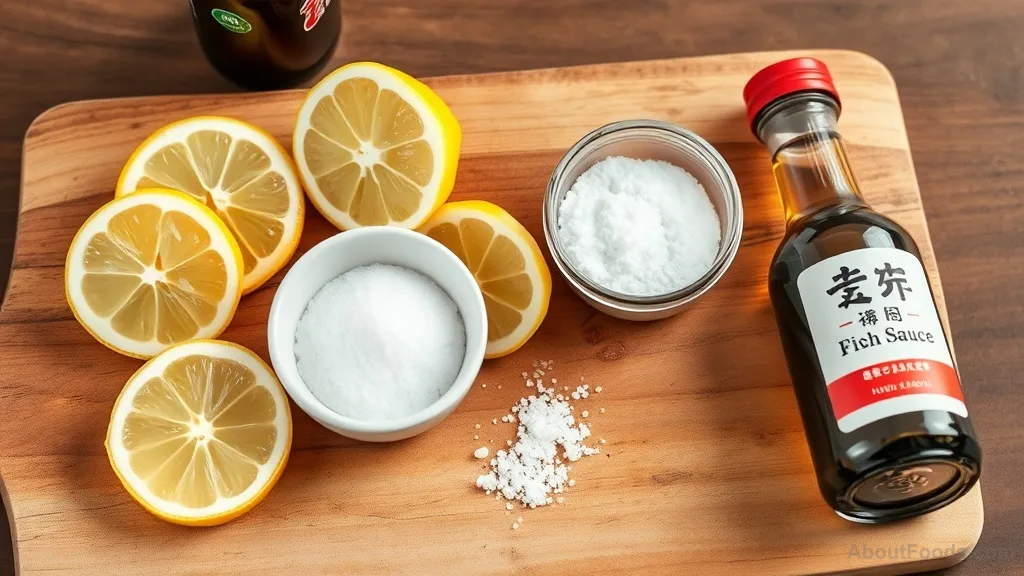
If you've ever taken a cooking class or read a recipe book, you've likely encountered the 'flavor triangle' or 'balance of five tastes': sweet, sour, salty, bitter, and umami. But you've also probably heard the simplified version that says 'a dish needs sweet, sour, and salty to be balanced.' That advice is everywhere. My grandmother, who never read a single cookbook, would laugh at the idea. In Vietnam, we balance flavors with fish sauce (salty and umami), lime (sour), chili (heat), and a subtle sweetness from caramelized sugar or broth. There is no rigid rule.
The notion that sweet, sour, and salty form a fundamental law of cooking is a simplification that took hold in Western culinary education, probably because those three are easy to identify and adjust. But taste is far more than a triangle. Your tongue—and your brain—respond to a constellation of signals. Let's break down the science and expose the myth.
The Biology of Taste: More Than Three Points
Human taste buds detect five primary tastes: sweet, sour, salty, bitter, and umami (savory). But that's just the beginning. Recent research suggests we may also detect fat ('oleogustus') and other compounds like calcium and carbonation. Moreover, flavor is a combination of taste, smell, texture, temperature, and even pain (from capsaicin in chiles). The 'balanced dish' that your palate craves depends on context—culture, hunger, even the weather.
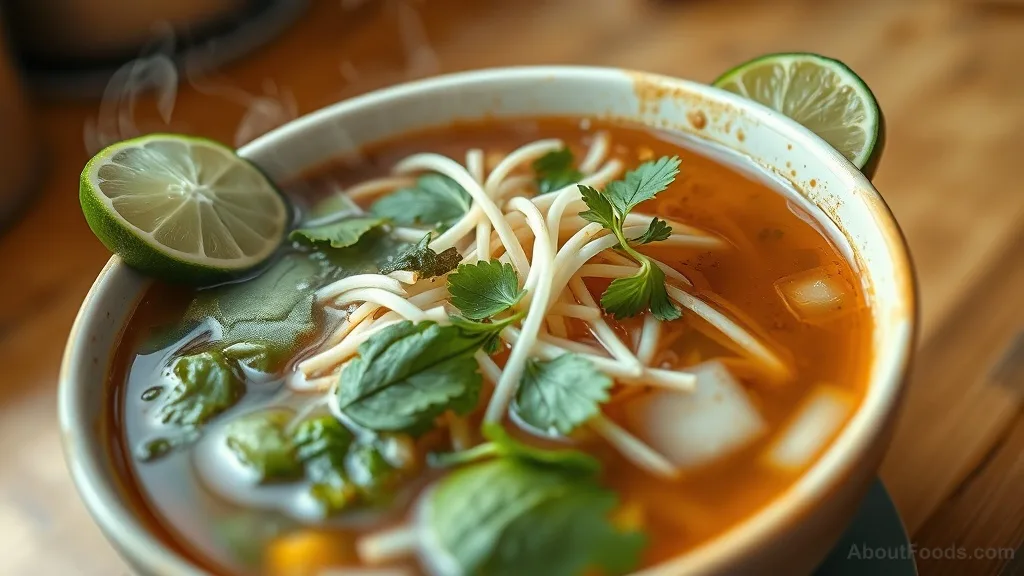
When you eat a bowl of pho, you taste the rich umami from beef bones and fish sauce, a hint of sweetness from charred onions, sour from lime, and heat from chili. No single taste dominates; they weave together. The idea that you must tick a box for sweet, one for sour, and one for salty oversimplifies this intricate dance.
Why Umami Changes Everything
Umami was identified as a distinct taste in 1908 by Japanese scientist Kikunae Ikeda, but it took a century to enter Western culinary mainstream. Umami is triggered by glutamate—found naturally in tomatoes, mushrooms, aged cheeses, and fermented foods—and nucleotides like inosinate (in meat and fish) and guanylate (in mushrooms). When glutamate and nucleotides combine, the savory effect multiplies.
Umami doesn't fit neatly into a sweet-sour-salty triangle. It adds depth and mouthfeel, often making dishes more satisfying without extra salt or sugar. In Vietnamese cuisine, fish sauce provides both saltiness and umami. A squeeze of lime and a drop of fish sauce can 'balance' a dipping sauce without any sugar if the savory notes are strong enough. Ignoring umami means missing a major balancing tool.
Heat: The Fifth Dimension (And Beyond)
Spiciness (pungency) is technically a pain sensation, not a taste, but it powerfully influences flavor perception. Capsaicin from chiles tricks your mouth into thinking it's hot, releasing endorphins and altering how you perceive other tastes. A little heat can reduce the perception of salt, enhance sweetness, and cut through fatty richness. In many global cuisines—Thai, Szechuan, Mexican, Indian—chili is a primary balancing agent.
Traditional 'balanced flavor' advice rarely mentions heat. But think of a classic Thai green curry: it's salty from fish sauce, sour from lime and lemongrass, sweet from coconut milk's natural sugars, and intensely hot from green chilis. The balance wouldn't work without the chili. The same applies to bitterness (from coffee, kale, or cocoa) which can counter sweetness and add complexity. Excluding these from the balancing equation is like painting with only three colors.
Cultural Bias in Flavor Rules
The sweet-sour-salty triangle likely emerged from European cooking, where sugar, vinegar, and salt were historically staples. But in East and Southeast Asian cuisines, soy sauce, fish sauce, rice vinegar, and chili paste form a different foundation. In Indian cooking, the concept of six tastes—sweet, sour, salty, bitter, pungent, and astringent—is ancient. The Ayurvedic tradition doesn't rank sweet, sour, and salty above the others. A 'balanced' dish might intentionally include all six.
As a home cook, you don't need to follow a cultural prescription. You need to understand how tastes interact and how aroma and texture influence satisfaction. The best way to learn is by tasting and adjusting, not by memorizing a triangle.
Practical Science: How to Really Balance a Dish
Instead of aiming for sweet, sour, and salty, think of balance as a conversation between all sensory inputs. Here's a step-by-step approach:.
- Start with saltiness and umami: Salt amplifies most flavors. Season early
- but taste as you go. Incorporate umami sources (soy
- fish sauce
- mushrooms
- tomato paste) to add depth.
- Adjust acidity: A splash of citrus juice or vinegar brightens dishes. Acidity can cut richness and balance sweetness
- but it doesn't have to be present in every dish.
- Add sweetness carefully: Sugar counters bitterness and acidity
Common Mistakes When Trying to 'Balance'
- Adding sugar to mask a flaw: If a dish is too salty or acidic
- don't just add sugar to hide it. Dilute with broth or water
- or add a starchy ingredient (like potato) to absorb excess salt.
- Ignoring umami: A dish lacking depth can be fixed with a dash of fish sauce
- a sprinkle of nutritional yeast
- or a splash of soy sauce
- even if the original recipe doesn't call for it.
- Overlooking the power of salt: Salt isn't just for saltiness—it modifies other tastes. A tiny pinch can make bitter flavors more palatable and sweet things taste sweeter.
Frequently Asked Questions
The next time you season a dish, don't feel obligated to hit sweet, sour, and salty. Instead, let your own palate and the ingredients guide you. Understanding the science of taste frees you to cook intuitively, with confidence—following your nose and your heart, not a rigid triangle.
Rate this article
No ratings yet. Be the first to rate it.

Written by
Linh Nguyen
Specialises in Vietnamese cuisineLinh makes pho that takes 12 hours. She says the secret is charring the ginger and onion until they weep.
Describe yourself in three words: Quiet, devoted, smells of star anise.