Myth Busting
The Myth That ‘Folding’ vs. ‘Stirring’ Makes a Difference (Mostly Not)
Science shows that the outcome of a recipe depends far more on how much you mix and when, rather than the specific folding or stirring motion. This article busts the common myth, explains the real underlying physics, and gives practical guidance for everyday cooking.
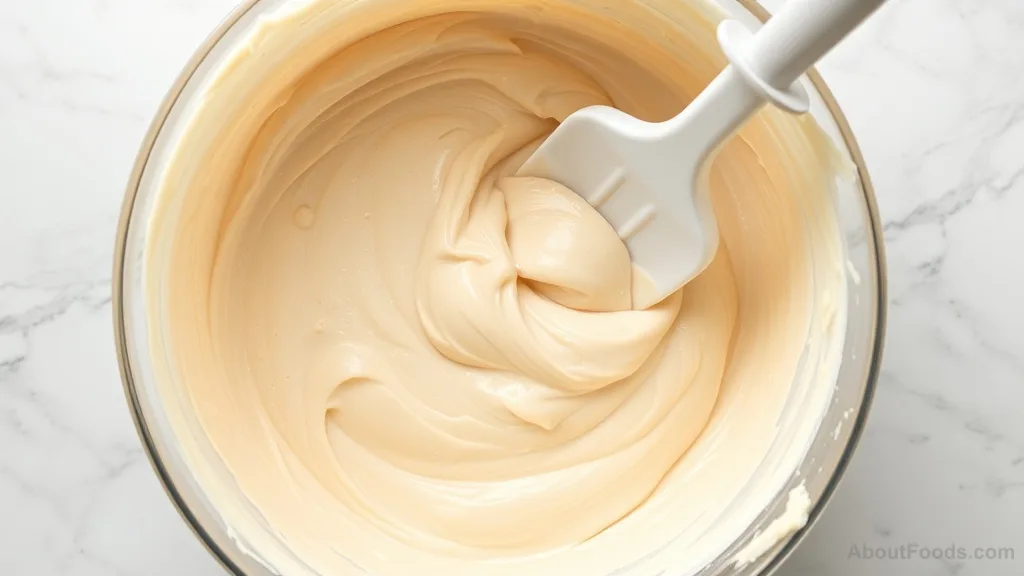
Why This Myth Persists
From glossy food magazines to grandmother’s kitchen, we’re often told to 'fold, don't stir' when adding flour to a cake or folding in egg whites. But if we look at what actually happens at a molecular level, the distinction between folding and stirring is far less important than the intensity and duration of mixing. This article unpacks the science and offers a simpler, more effective way to think about mixing.
What Folding and Stirring Really Mean
Folding is traditionally a gentle, scoop-and-turn motion meant to combine ingredients without deflating air or overdeveloping gluten. Stirring, by contrast, is a more vigorous circular motion. Both techniques, however, accomplish the same fundamental goal: moving ingredients past one another so they can unite.
The key variable is not the path your spatula traces, but the force applied and the number of turns. A gentle folding motion that you repeat dozens of times can develop more gluten than a few quick stirs. And conversely, a vigorous stir is fine for a recipe that benefits from gluten structure, like bread dough.
The Role of Gluten Development
Gluten is a network of proteins that gives dough its elasticity. When you mix flour and water, glutenins and gliadins link up. The more you mix, the stronger and more numerous these links become. The motion—fold or stir—doesn't change the nature of these bonds. It's the total mixing energy that matters.
- Overmixing tender baked goods (muffins
- cakes
- biscuits) makes them tough.
- Random agitation (whisking in different directions) actually develops gluten faster because it shears the dough more consistently.
- A few gentle folds can be fine for incorporating flour into a delicate batter without overdoing it.
When the Gentle Approach Really Matters: Air Retention
There is one area where the instruction to 'fold' actually serves a scientific purpose: preserving air cells. When you beat egg whites or cream, you incorporate air bubbles. If you then add heavy ingredients with a stirring motion, those bubbles can pop. Folding—especially a lift-and-fold motion—helps distribute the ingredients while minimizing deflation.
But even here, the old word 'fold' is a proxy for 'be gentle and minimize movements'. You could use a stirring motion—very slowly and carefully—and achieve the same result. It's not about the shape of the move; it's about restraint.
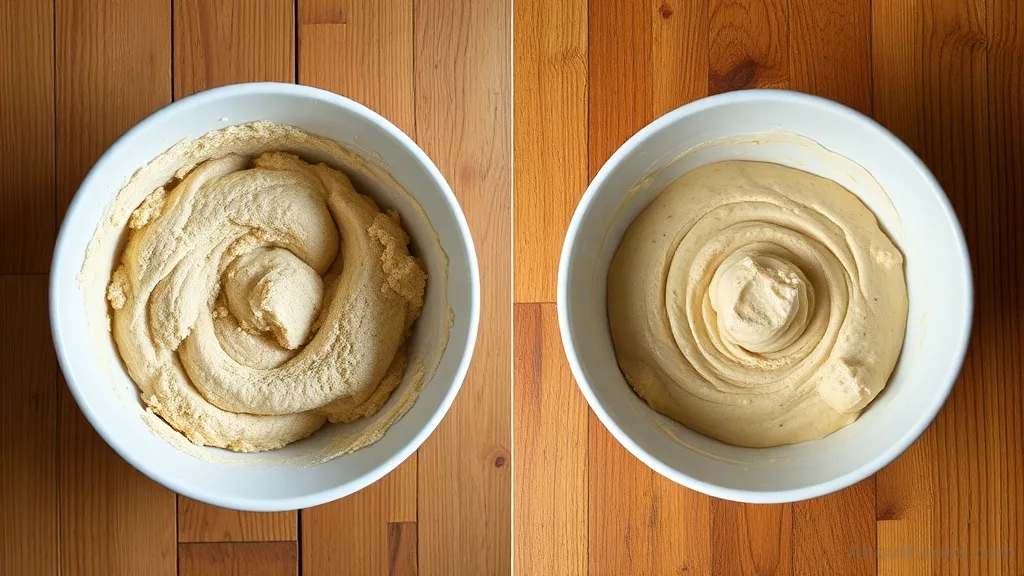
Our Test: Does the Motion Change the Result?
As you can see, folding and stirring produce nearly identical results when done with the same intensity and for the same number of turns. Whisking—which applies more force and shear—does cause significant difference. So it's the force, not the pathway.
Practical Takeaways for Home Cooks
The next time a recipe says 'fold in', remember: you are being told to combine ingredients with a light touch and few motions, not to execute a special stir shape. You can also stir—just do it gently and stop as soon as the ingredients are combined.
The Philosophy of It (And a Whiff of Chèvre)
Cooking, like life, sometimes gets bogged down in rules that sound important but miss the real point. We worry about the shape of our hand when the true work is about energy and care. A good loaf of bread is made by mixing enough to form gluten—not by worrying about a clockwise vs. counterclockwise turn. A delicate soufflé is about preserving those bubbles, not the exact spatula path. So trust that both folding and stirring are just tools; use the one that feels right, but always with the right intent. That, my friend, beats any myth.
Rate this article
No ratings yet. Be the first to rate it.
Written by
Elodie Laurent
Specialises in French cuisineElodie is a Parisian who moved to the countryside to make cheese. She names her goats after French philosophers.
Describe yourself in three words: Earthy, philosophical, smells faintly of chèvre.