Myth Busting
The Myth of 'The Perfect Sear': Does Color Actually Equal Flavor?
We've been told that a deep brown crust is the ultimate sign of flavor, but is color really a reliable measure of a good sear? In this article, we bust the myth and explore what actually drives flavor development during browning.
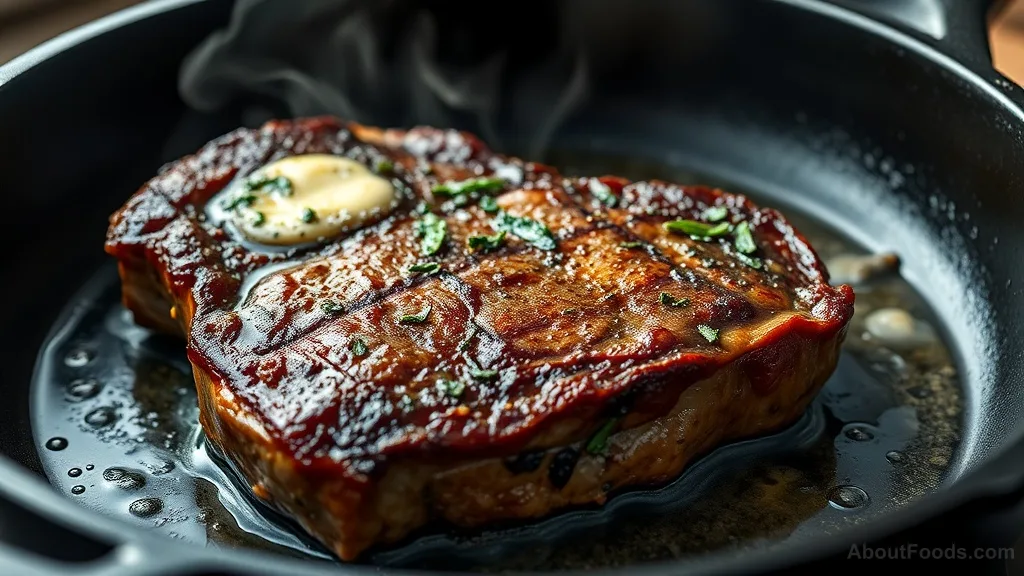
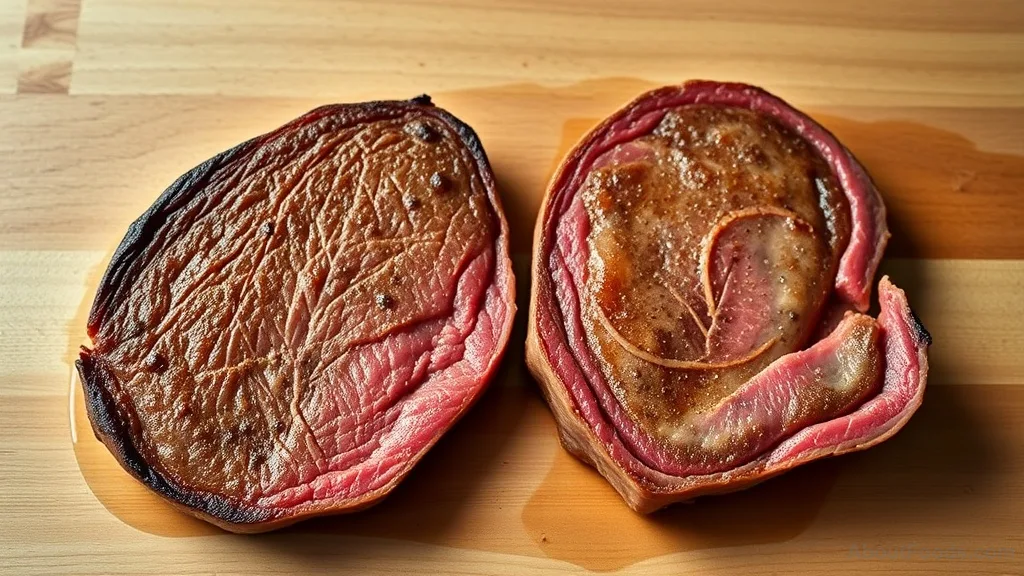
The Golden Rule of Searing
Every home cook has heard it: 'You want a deep, dark brown crust on your steak – that's where the flavor is.' It's become gospel. But as with many kitchen truths, this one deserves a closer look. Yes, browning creates flavor, but equating color with flavor is like judging a book by its cover. Let's dig into the science.
What Actually Happens When You Sear?
Searing is a high-heat cooking method that triggers two key chemical reactions: the Maillard reaction and caramelization. The Maillard reaction occurs between amino acids and reducing sugars at around 140°C (285°F) and produces hundreds of flavor compounds. Caramelization, which starts at higher temperatures (around 170°C or 340°F), involves the breakdown of sugars into sweet, nutty, and slightly bitter compounds. Both reactions result in browning, but they contribute differently to flavor.
Why Darker Isn't Always Better
It's tempting to think that a darker crust means more Maillard products and therefore more flavor. But beyond a certain point, browning can lead to burnt, bitter notes. The optimal color for flavor development is a deep mahogany, not black. A crust that's too dark may indicate that the surface has charred, producing acrid compounds and potentially carcinogens like acrylamide. So the perfect sear is about balance: enough browning for rich flavor, but not so much that bitterness takes over.
The Role of Moisture
A common mistake is searing a wet steak. Moisture on the surface must evaporate before the temperature can rise above 100°C (212°F) – the boiling point of water. That means the Maillard reaction can't begin until the surface is dry. So patting your protein dry with paper towels is crucial. A wet surface will steam rather than sear, leading to a grey, flavorless crust.
Other Factors That Influence Flavor
Color is just one piece of the puzzle. Flavor during searing is also affected by:.
- Fat type: Butter and animal fats add their own flavor compounds that brown differently than oils.
- Seasoning: Salt not only seasons but also draws moisture to the surface
- so timing matters. Pepper can burn and turn bitter.
- Pan material: Cast iron and stainless steel retain heat better than non-stick
- promoting better browning.
- Oil smoke point: Use oils with high smoke points like avocado or grapeseed to avoid off-flavors.
Does a Sear Seal in Moisture?
This is another pervasive myth. Searing does not 'lock in' juices. In fact, it causes moisture loss due to the high heat. The juiciness of cooked meat depends on the final internal temperature and resting time, not the sear. So don't worry about losing moisture – worry about flavor.
Practical Takeaways
Here’s how to get a great sear without falling for the color = flavor trap:.
- Dry the surface thoroughly before cooking.
- Heat your pan until it's smoking hot (but not ripping hot – oil should shimmer
- not smoke excessively).
- Use a thin layer of high-smoke-point oil.
- Don't overcrowd the pan
- that lowers the temperature and causes steaming.
- Flip when the crust releases easily – if it sticks
- it's not ready.
Frequently Asked Questions
Is a darker sear always more flavorful?
No. While browning adds flavor, too dark can indicate burning and bitterness. Moderate brown is optimal.
Can I get a good sear without oil?
Oil helps conduct heat evenly and prevents sticking. You can sear without oil, but it's harder and less effective.
How do I know when my pan is hot enough?
A drop of water should skitter across the surface (Leidenfrost effect). Or use an infrared thermometer: 375-450°F for most searing.
Does searing meat really seal in juices?
No. The myth has been debunked. Searing actually causes moisture loss. Juiciness comes from proper cooking temperature and resting.
The Verdict
Color is a helpful indicator, but it's not the whole story. The perfect sear is about technique, temperature, and timing – not just reaching the darkest shade. So next time you're at the stove, relax a little. Trust your pan, dry your meat, and listen for that satisfying sizzle. Your taste buds will thank you – even if the crust isn't the darkest on the block.
Rate this article
No ratings yet. Be the first to rate it.

Written by
Claire Dubois
Specialises in French cuisineClaire is a former lawyer who now bakes croissants at 4am. She says pastry saved her soul and ruined her sleep schedule.
Describe yourself in three words: Tired but joyful, buttery hands.