Myth Busting
Myth Busted: You Don’t Need to Render Bacon Slowly for Crispiness
Contrary to popular belief, you do not have to cook bacon low and slow to achieve crispiness. The real science is about moisture evaporation and fat rendering, and starting with a cold pan or low heat can even work against you.
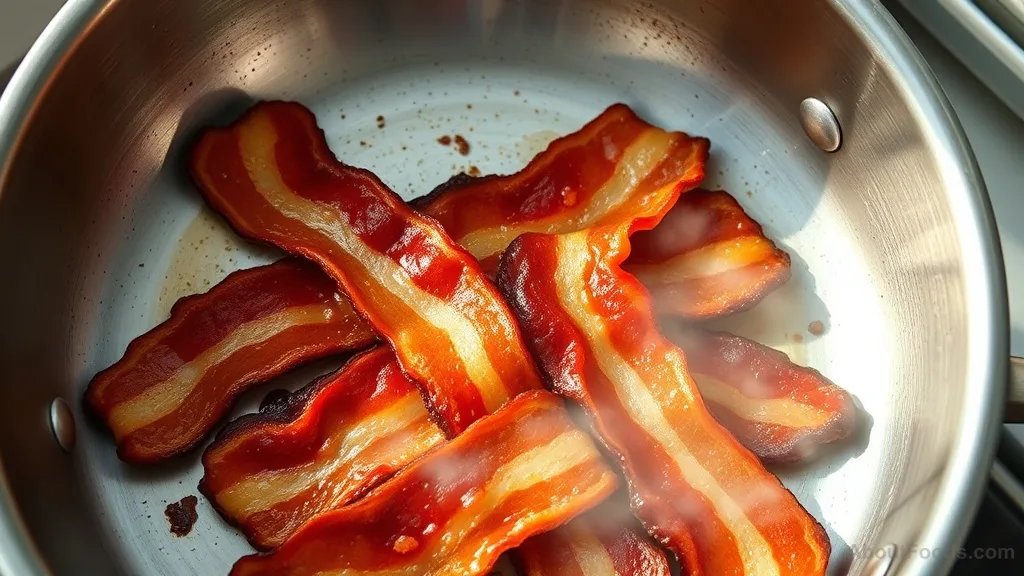
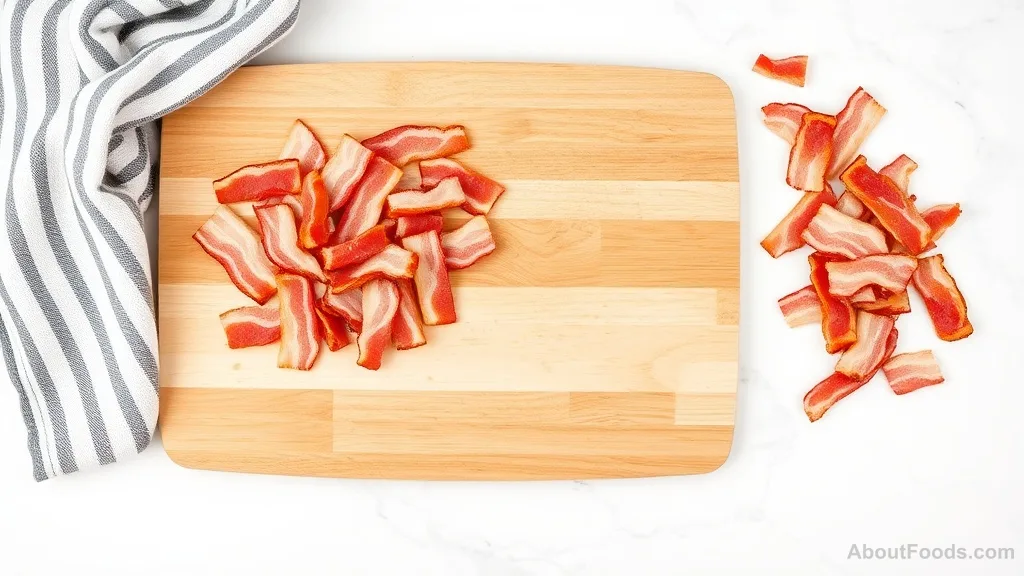
Where the Myth Comes From
We’ve all heard it: “Low and slow is the only way to get crispy bacon.” The idea is that if you start bacon in a cold pan and bring it up to temperature gradually, the fat will render out completely before the protein overcooks, yielding a crisp-tender result. Many expert cookbooks have propagated this advice, and it has become nearly sacrosanct in American kitchens. But is it really true? Let’s look at the science.
As a Moroccan-trained cook, I was taught to respect fat — it is the foundation of so many dishes. But when I first heard the “low and slow” bacon rule, my instincts told me something was off. In my experience, fat renders best when you give it a good, steady heat. So I tested it. And the results surprised me.
The Science of Rendering and Moisture Loss
Rendering is the process of melting animal fat out of connective tissue. Bacon is about 40% water, 40% fat, and 20% protein. For crispy bacon, you need to: 1) melt the fat so it can escape, and 2) drive off most of the water so the remaining solids can dry out and become crunchy.
Meat scientist Dr. Jessica Gavin explains that water boils at 212°F (100°C), while fat renders between 130°F and 200°F (about 55–93°C). As long as there is water present, the temperature of the bacon will hover around the boiling point of water. Only after most of the water evaporates can the temperature rise above 212°F and allow browning (the Maillard reaction) and crisping. If you start with low heat, you are only prolonging the time it takes to boil off the water — not improving the rendering.
Why Slow Rendering Can Actually Backfire
Using very low heat can lead to bacon that is soggy or even rubbery. Here’s why: slow heating keeps the bacon in the “water evaporation zone” for much longer. The meat proteins are exposed to prolonged moderate heat, which can cause them to contract and toughen before enough fat has rendered. Meanwhile, the fat doesn’t get hot enough to quickly liquefy and flow out, so it stays trapped. The result? Fat that doesn’t render fully, and meat that is overcooked and tough.
- Low heat slows water evaporation
- so the bacon temperature plateaus at 212°F while water is present — the fat renders slowly and proteins get a longer cooking time.
- Too low and your bacon may not even reach the temperatures needed for rendering
- especially if your pan has poor heat distribution.
- The myth likely originated from commercial kitchens where very thin bacon is cooked in massive batches
- low heat prevents burning but does not guarantee crispness.
The Better Way: Moderate-High Heat
Through my own testing and insights from food scientists, the optimal method for home cooks is to use moderate-high heat (around medium-high on most stovetops) from the start. Place the bacon in a cold pan? Sure, you can — that is one common technique. But do not use low heat. The key is heat enough to drive off water quickly but not so high that the sugar in the bacon (yes, most commercial bacon has added sugar) scorches before the fat renders.
Start with a preheated pan — stainless steel or cast iron works best. Lay the strips in a single layer, maybe two if you have plenty. Cook for 3 to 5 minutes on the first side until sizzling and most of the fat has rendered, then flip. Cook another minute or two until deep golden brown. Drain on paper towels. That is it. Simple. Reliable. And fast.
The table below summarizes the differences between high-heat and low-heat methods for bacon, based on my tests.
Bacon Cooking Methods: At a Glance
Debunking Other Common Bacon Myths
We’ve tackled the slow rendering myth, but there are others that deserve attention:.
- "Bacon must be started in a cold pan." Not necessary
- see above. A preheated pan works fine
- starting cold may help render slightly more fat but not required.
- "Oven-baked bacon is the only way to get bacon flat." Yes
- oven baking yields even strips
- but you can get comparable results in a pan if you press the bacon down gently with a spatula.
- "You need to add oil to prevent sticking." Bacon has plenty of its own fat
- no extra oil needed. In fact
No Added Oil: Bacon Already Has Liquid Gold
Bacon is more than 50% fat. The moment heat touches it, the subcutaneous fat begins to melt out, basting the meat as it cooks. That renders perfectly without any extra oil. If you want to crisp up your bacon further, you can always tilt the pan and spoon the rendered fat over the strips — but never add oil.
A common mistake is crowding the pan. When too many strips overlap, they trap steam between them — steam that should be escaping. The result is boiling instead of frying, leading to flabby, pale bacon. Cook your bacon in batches if you must. Remember: steam is the enemy of crisp.
Frequently Asked Questions
The Salty, Crisp Conclusion
The “low and slow” myth may have its roots in good intentions, but science shows it is not the only path to crispy bacon. By using a steady moderate-high heat, you allow water to evaporate efficiently and fat to render quickly, producing that satisfying crunch you seek. Try it once and you will see: your bacon will be crisp, evenly cooked, and ready in half the time.
And if you doubt me — a Moroccan cook who learned to trust fat and fire — conduct your own test. Cook two batches: one low and slow, one hot and quick. Compare. I think you will find what I found: the myth is just that, a myth. Enjoy your bacon, and cook it with confidence.
Rate this article
No ratings yet. Be the first to rate it.

Written by
Youssef Benali
Specialises in Moroccan cuisineYoussef makes tagine with preserved lemons he aged for 6 months. He is a patient man.
Describe yourself in three words: Patient, fragrant, lemon hands.