Myth Busting
Why 'Never Use Garlic and Shallots Together' Is Pure Nonsense
The rule that garlic and shallots should never be cooked together is a myth with no scientific basis. In fact, they complement each other beautifully in many dishes. This article debunks the myth, explains the chemistry behind their flavors, and shows you exactly when and how to pair them for the best results.
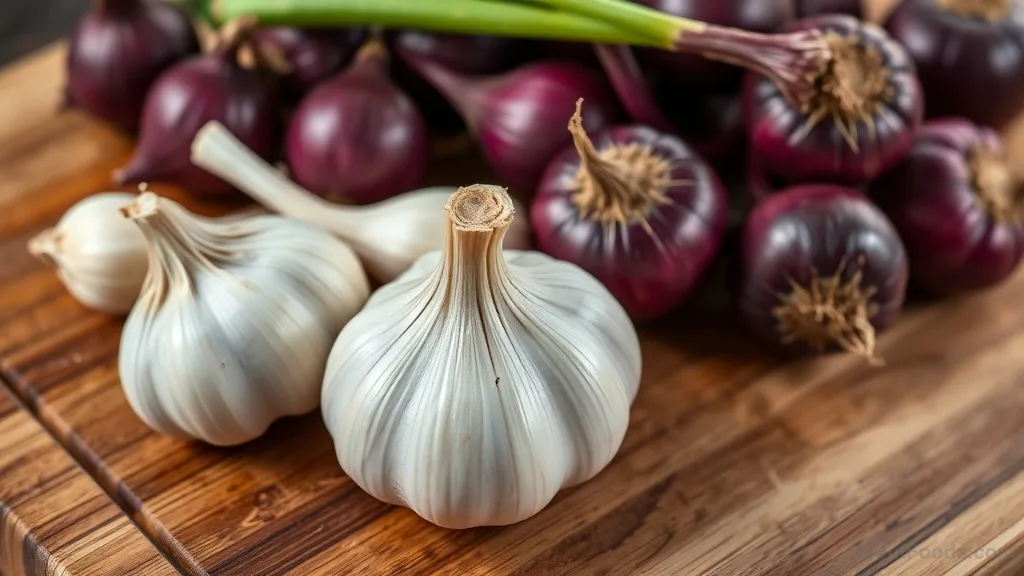
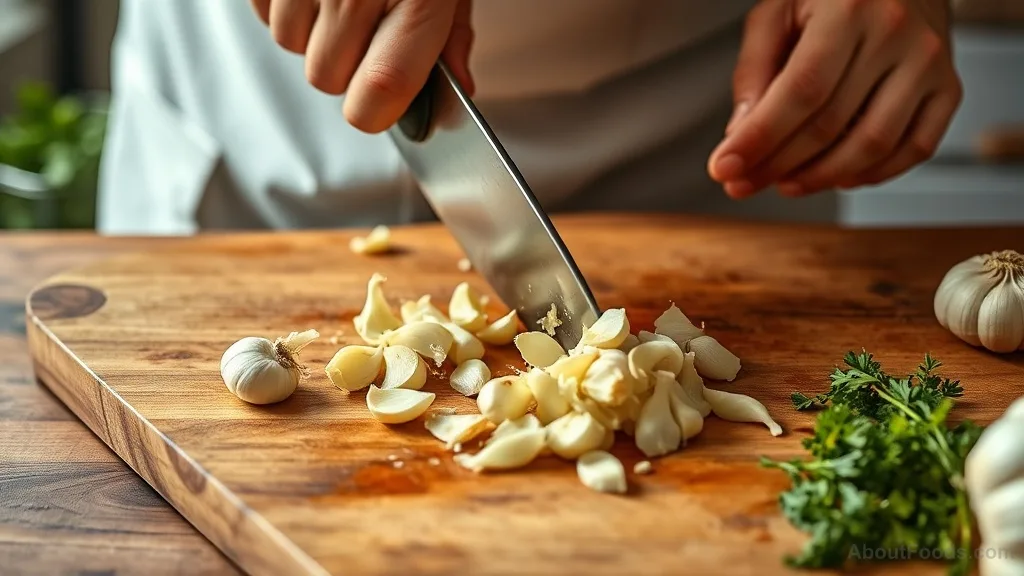
Where Did This Myth Come From?
You've probably heard it in some cooking forum or from a well-meaning home cook: 'Never cook garlic and shallots together.' The reasoning often goes that shallots cook faster than garlic, so by the time the garlic is done, the shallots are burnt—or vice versa. Others claim that the flavors clash. But as someone who has spent years in the kitchen, let me tell you: this is pure nonsense.
The myth likely stems from a misunderstanding of cooking times. Both garlic and shallots are alliums (members of the onion family), but they have different densities and moisture contents. Shallots are more delicate and have a higher water content, so they do cook faster than garlic. However, that doesn't mean they cannot be used together—it simply means you need to adjust your technique.
The Science of Allium Flavors
Both garlic and shallots contain sulfur compounds that are responsible for their pungent aromas. When you cut them, you rupture cell walls, bringing an enzyme called alliinase into contact with precursors like alliin (in garlic) and isoalliin (in shallots). This creates a cascade of volatile molecules, such as allicin in garlic and thiosulfinates in shallots, which give them their characteristic sharp smells.
When heated, these compounds transform. Garlic's allicin breaks down into more complex sulfur compounds that yield sweet, savory, and even slightly nutty notes. Shallots, being milder, produce a gentler sweetness with a hint of onion-like sharpness. The key point is that these flavor pathways are complementary, not antagonistic. In fact, many classic dishes—like French sauces, Indonesian sambals, and Italian soffritto—rely on both garlic and shallots.
Cooking Times: The Real Story
The idea that garlic and shallots can't be cooked together because of different cooking times is a half-truth. Yes, shallots cook faster, but that's only a problem if you add them at the same time and in the same form. Here's a quick breakdown:.
The fix is simple: start with the shallots, give them a head start of a minute or two, then add the garlic. Alternatively, cut the ingredients differently—chop shallots larger and garlic finer—so they finish at the same time. Or, use them in different stages of the dish: garlic in the beginning for a deep flavor, shallots later for a fresh kick.
Flavor Compatibility: A Match Made in the Kitchen
If flavors clashed, there would be culinary traditions that avoid the pair. Yet, from Southeast Asian stir-fries to French béarnaise sauce, garlic and shallots are used side by side. The reason is synergy: shallots provide a sweet, mild oniony base that doesn't overpower; garlic adds pungency and depth. Together, they create a rounded, savory flavor that's greater than the sum of its parts.
- Shallots offer sweetness and a subtle sharpness
- ideal for building a gentle foundation.
- Garlic brings intensity and complexity
- punching through with its characteristic aroma.
- When combined
- the shallot's sweetness can mellow garlic's harshness
- while garlic boosts shallot's savoriness.
Think of them as partners: shallots are the rhythm section, providing steady support; garlic is the lead guitar, adding flair. You wouldn't ask one to replace the other—they work best as a team.
Practical Techniques for Using Garlic and Shallots Together
Here are three foolproof methods to ensure your garlic and shallots shine together without burning:.
Common Mistakes to Avoid
- Adding both at the same time without adjusting cut or timing: this often leads to burnt garlic and undercooked shallots.
- Overcrowding the pan: too many ingredients lower the temperature and cause steaming instead of browning.
- Using high heat: high heat is fine for searing
- but for alliums
- it's better to start low and build up.
- Not prepping correctly: uneven sizes lead to uneven cooking. Take a moment to match your cuts.
Frequently Asked Questions
Can I substitute shallots for onions in a garlic-heavy recipe?
Absolutely. Shallots are milder than onions, so they'll let the garlic flavor shine through more. Use about 1.5 times the amount of shallots to replace onion, but it's not exact—trust your taste.
Do garlic and shallots form harmful compounds when cooked together?
No. Both are perfectly safe to cook together. The only risk is burning, which creates bitter, unpleasant flavors but no toxicity.
Should I avoid raw garlic and shallots together?
Not at all. Raw garlic and shallots are paired in dressings, salsas (like chimichurri), and relishes. Their pungency complements each other.
What's the best way to store garlic and shallots?
Store them in a cool, dark, dry place with good air circulation. Keep them separate if possible, but they can share a basket—just check for sprouts or rot regularly.
The Takeaway
The myth that garlic and shallots should never be used together is just that—a myth. With a little knowledge of their chemistry and cooking behavior, you can pair them to create delicious, well-balanced dishes. So go ahead: grab that head of garlic and those shallots, and cook with confidence. Your taste buds will thank you.
Rate this article
No ratings yet. Be the first to rate it.

Written by
Ayu Santoso
Specialises in Indonesian cuisineAyu makes rendang that takes 6 hours and is worth every minute. She hums while stirring.
Describe yourself in three words: Calm, humming, smells of coconut.