Food Safety And Preservation
A Practical Guide to Food Safety and Preservation for Better Results in the Kitchen
Master the art of keeping food fresh and safe with this science-backed guide. Learn why temperature, pH, and moisture matter—and how small changes in your kitchen routine can prevent spoilage, reduce waste, and improve flavor.
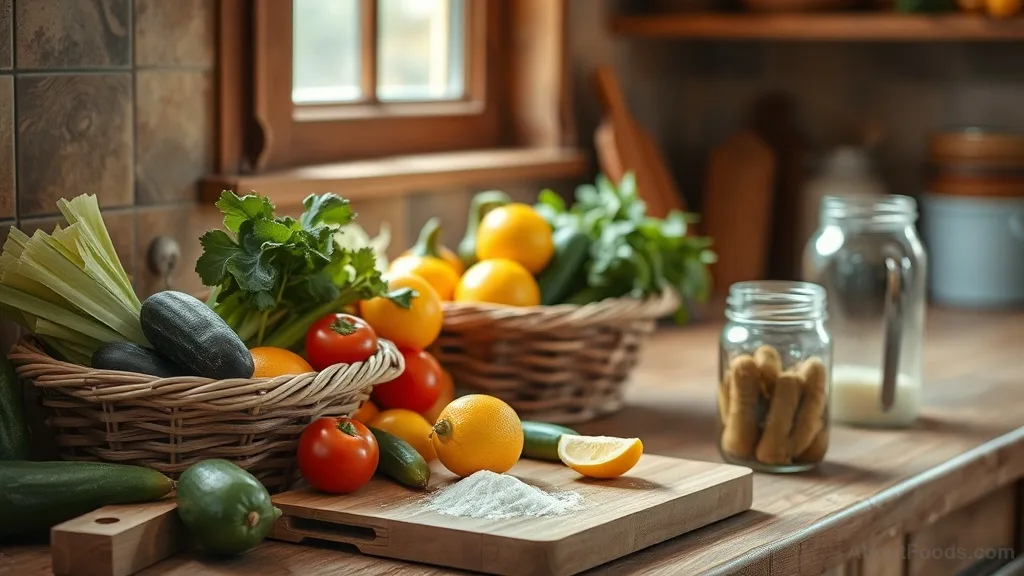
Why Food Safety and Preservation Matter in Every Kitchen
There is a quiet romance to a kitchen where nothing is wasted — where every wilted herb finds new life in a vinegar bath, and every surplus tomato becomes a jar of summer captured in syrup and acid. But beneath that romance lies science: a delicate dance of temperature, water activity, and pH that determines whether your pantry thrives or turns hostile. Food safety isn't about fear — it's about understanding the invisible ecology of your kitchen so you can work with it, not against it.
Every cook, whether a seasoned chef or a weekend jarring enthusiast, has faced the disappointment of moldy preserves or questionable leftovers. Yet the principles that keep food safe are elegantly simple. Much of preservation comes down to controlling two things: moisture and acidity. Microorganisms — bacteria, yeasts, and molds — need water and a favorable pH to grow. Take away their water (by drying or salting) or their friendly pH (by adding acid), and you create an environment where spoilage is slowed or stopped altogether. Temperature is the third player: cold hobbles most pathogens, heat kills them, and the "danger zone" between 40°F and 140°F is where they throw their party.
The Four Pillars of Preservation
Think of food preservation as a strategy game with four moves: temperature control, water activity reduction, pH manipulation, and barrier protection. In practice, you rarely use one alone — the best methods combine them. Below is a quick-reference table of common preservation techniques and the science behind them.
| Technique | Key Principle | What It Does | Best For |
|---|---|---|---|
| Refrigeration | Low temperature | Slows microbial growth | Dairy, eggs, fresh produce |
| Freezing | Very low temperature | Halts all microbial activity | Meat, fish, vegetables, fruits |
| Fermentation | Acid + salt | Creates low-pH environment, encourages beneficial microbes | Cabbage (sauerkraut), cucumbers, dairy |
| Pickling | Acid (vinegar) | Lowers pH below 4.6 | Vegetables, eggs, chutneys |
| Salting/Curing | Low water activity | Removes free water via osmosis | Fish, meat, lemons |
| Drying/Dehydrating | Low water activity | Removes moisture to prevent spoilage | Fruits, herbs, jerky |
Notice that each method creates an environment that is inhospitable to pathogens. The safest and most effective preservation strategies combine more than one principle — for example, refrigerating pickles (temperature + acid) or freezing cured meats (low temperature + reduced water activity).
Temperature: The Critical Role of the Danger Zone
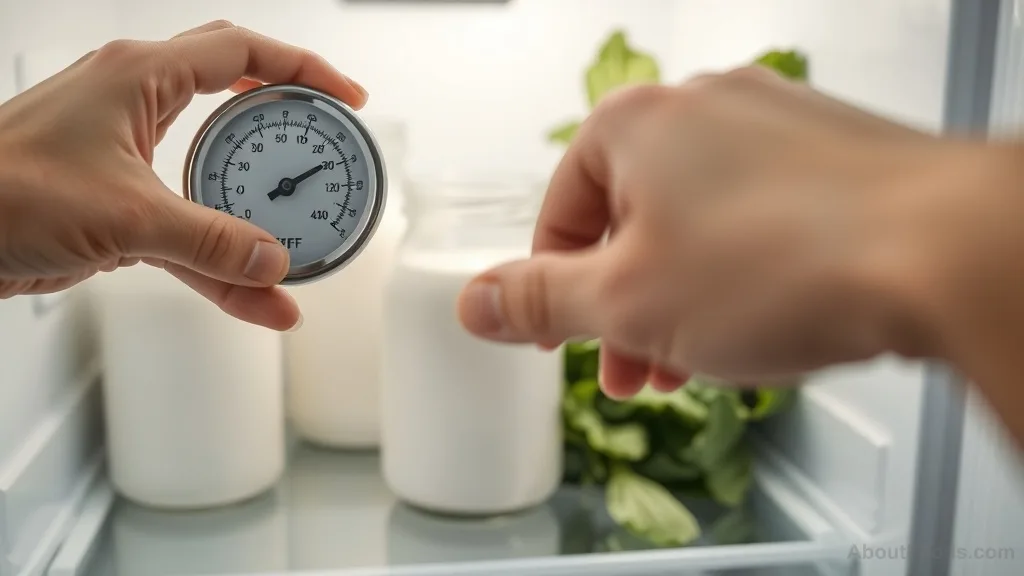
If there is one number every home cook should memorize, it is 40°F. That is the upper limit for your refrigerator, the line between safe and risky. In the "danger zone" — between 40°F and 140°F — bacteria like Salmonella, E. coli, and Listeria can double in number in as little as 20 minutes. That means a few hours of neglect can turn a safe casserole into a gamble.
Consider your refrigerator's thermal landscape. Most fridges are cooler at the back and top, warmer near the door and in lower drawers. Place raw meat on the bottom shelf (to prevent drips contaminating other foods), store dairy on the middle shelves, and keep eggs in their original carton on a shelf, not in the door where temperatures fluctuate. A simple refrigerator thermometer costs little but pays for itself in peace of mind. Aim for 34–38°F, and never exceed 40°F.
Freezing is food safety's pause button: at 0°F or below, microbial growth stops entirely, though freeze-thaw cycles can damage texture. For best results, cool food before freezing to avoid warming the freezer, and package in airtight containers to prevent freezer burn — which is not a safety issue but a quality one.
pH: Why Acidity Is Your Ally
Acidity is a whisper of danger to most spoilage bacteria. At a pH below 4.6, Clostridium botulinum — the bacterium that causes botulism — cannot grow or produce its deadly toxin. This is why home-canning recipes for low-acid foods (like green beans or corn) require pressure canning to achieve temperatures above 240°F, while high-acid foods (like tomatoes, fruit jams, or pickles) can be safely processed in a boiling water bath.
Vinegars and citrus are common kitchen acidifiers. For pickling, use vinegar with at least 5% acidity (the typical level of white and cider vinegars). For tomato canning, commercial citric acid or bottled lemon juice is recommended because acidity varies in fresh tomatoes. A quick pH test with strips — available in homebrew and kitchen supply stores — can offer reassurance.
Fermentation is a beautiful example of harnessing pH. In a lacto-fermentation (think sauerkraut or kimchi), salt draws water from vegetables, creating a brine. Naturally present Lactobacillus bacteria then convert sugars into lactic acid, gradually lowering the pH. As acidity climbs, spoilage organisms are outcompeted, and the fermented food becomes shelf-stable for months — if kept cool.
Water Activity: The Invisible Thirst
Ever wonder why honey never spoils? Honey has very low water activity — meaning the water it contains is chemically bound, not available for microbes to use. Water activity (aw) is a measure of free water in a food, and for preservation, reducing aw below about 0.85 makes it impossible for most harmful bacteria to survive. Salt and sugar work as preservatives by binding water, making it unavailable.
Salted cod, jerky, fruit leathers, and aged cheeses all rely on reduced water activity for their keeping qualities. At home, you can lower water activity by drying foods in a dehydrator or oven (low and slow), salting, or adding sugar (as in jams and jellies). The key is to remove enough water that the food is no longer a hospitable environment — but not so much that it becomes unpalatable.
Common Mistakes and How to Avoid Them
Nearly every kitchen mishap stems from a small misunderstanding of one of these principles. Below are the most frequent errors and the science-backed fixes.
- Overstuffing the refrigerator: Air circulation is essential for even cooling. A packed fridge retains more heat
- creating warm spots. Leave space between items.
- Cooling food before refrigerating: Hot food can raise fridge temperature. But waiting too long? You can safely move food to the fridge after it has cooled to about 140°F (breaking the danger zone). Cover it loosely to allow steam escape.
- Using open containers for strongly flavored foods in the fridge: Odors can migrate and odorless spoilage can occur. Use airtight containers or wraps.
- Canning without testing pH: For low-acid foods
- pressure canning is non-negotiable. Water-bath canning for vegetables is risky unless recipes are lab-tested for acidity.
- Assuming "freezing kills bacteria": Freezing only stops growth. Most bacteria survive freezing and will resume activity as soon as temperatures rise. Always thaw in the refrigerator
- not on the counter.
Quick Reference: When in Doubt, Throw It Out?
Even with the best practices, sometimes intuition is the final test. But if you are unsure, a few signs can guide you: mold, off odors (not just 'aged' but foul), slimy texture, or unusual discoloration. When you open a jar of something you preserved, examine the seal: if the lid bulges or hisses loudly upon opening, discard the contents — the seal may have failed, and spoilage organisms could have entered. For fresh food, trust your nose: if it smells even slightly wrong, do not taste it. The risk is not worth the bite.
Frequently Asked Questions
Is it safe to eat food left out overnight?
No. Food left in the danger zone (40–140°F) for more than two hours should be discarded. This includes cooked meat, dairy dishes, and leftovers. Bacteria can multiply to dangerous levels even if the food looks and smells normal.
What is the best way to store fresh herbs?
Treat them like fresh flowers: trim the stems, place them in a jar with an inch of water, and cover loosely with a plastic bag. Refrigerate tender herbs (cilantro, basil thrives at room temperature per variety). Change water every few days.
Do I need to rinse my fermented vegetables?
No, and it is not recommended. Rinsing removes beneficial bacteria and exposes the food to potential contaminants. The brine is the protective environment. Just wash hands and jars thoroughly before handling.
How long will homemade jam keep without canning?
If refrigerated, high-sugar jams can last up to 6 months. If you water-bath canned them properly, sealed jars are stable in the pantry for up to a year. Once opened, refrigerate and use within 3 months.
Can I freeze dairy products like milk or cheese?
Milk freezes well with minor texture changes (thaw and shake or blend before use). Hard cheeses become crumbly when thawed – better suited for cooking than slicing. Cream and soft cheeses do not freeze well due to texture breakdown.
Preservation is not about making food last forever — it's about extending its quality and safety for a reasonable time. When done right, it allows you to enjoy peak-season produce months later, and to cook with confidence. The kitchen is a laboratory, yes, but also a garden. Work with nature's rules, and you will find that safety and deliciousness go hand in hand.
Rate this article
No ratings yet. Be the first to rate it.

Written by
Elodie Laurent
Specialises in French cuisineElodie is a Parisian who moved to the countryside to make cheese. She names her goats after French philosophers.
Describe yourself in three words: Earthy, philosophical, smells faintly of chèvre.