Proteins And Structure
Proteins And Structure vs Guesswork: What Actually Matters in the Kitchen
Stop guessing why your steak turned out tough or your custard curdled. In this article, we explore the science of protein structure—how heat, acid, and salt change proteins—and reveal a few common myths that even experienced cooks get wrong.
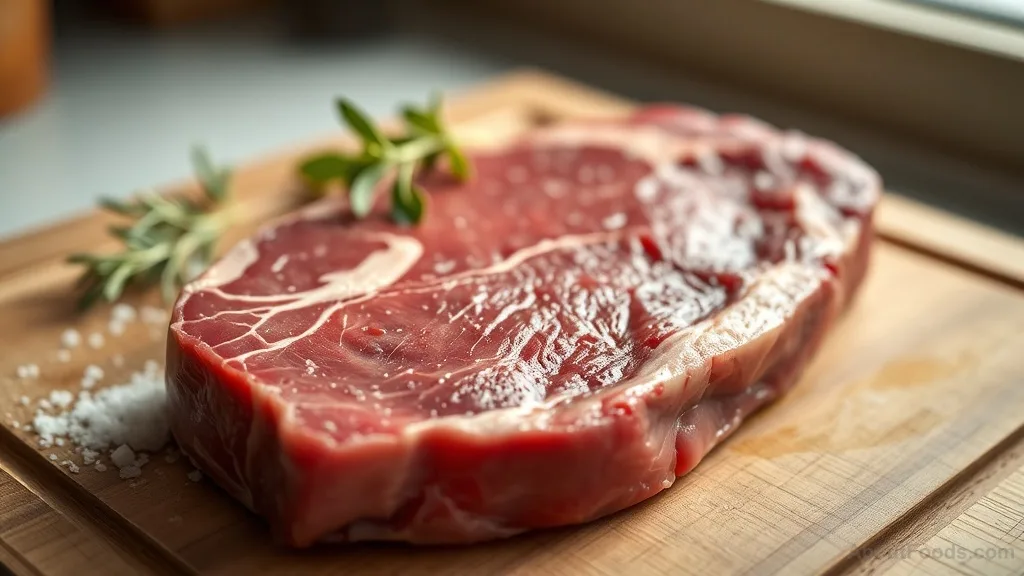
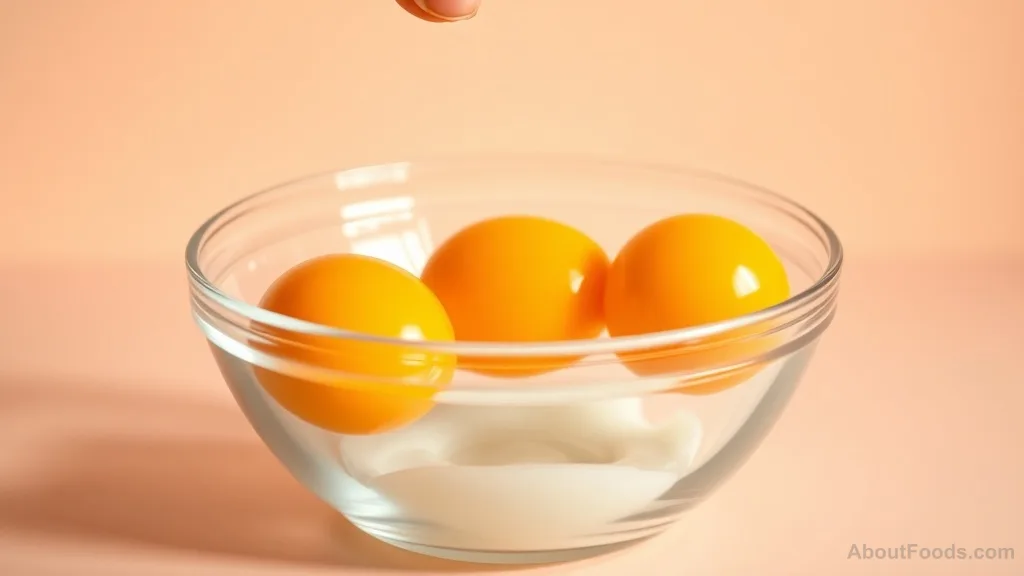
Listen to your steak, it knows more than you
I remember learning to cook a ribeye by feel. The tap of a finger, the spring-back test—it worked, but I never understood why. Now, after years of kitchen chemistry, I know it comes down to one thing: proteins and how they change shape. When you apply heat, acid, or salt to meat, eggs, or dairy, the proteins unfold and reattach in new ways. That is what gives food its texture. And here is the kicker: so much of what people "know" about cooking proteins is guesswork. Let's separate the real from the rumour.
What is a protein anyway?
Imagine a long necklace of beads, each bead an amino acid. That necklace is a protein. In its raw state, the necklace is folded into a specific shape—think of it as a tangled ball of yarn. This shape gives the protein its properties. When we cook, we apply energy (heat, acid, salt) that makes the yarn start to untangle. This is called denaturation. Once untangled, the proteins can then form new bonds with each other. The result? Meat firms up, eggs solidify, milk curdles—these are all protein structures changing.
Common myths about cooking proteins
I have heard it all: "Pounding meat makes it tender," "Adding salt to eggs before cooking makes them watery," "Acid in a marinade cooks the meat like heat." Let's look at a few of these under the microscope.
What actually makes meat tender?
It is a dance between time and temperature. The protein types in muscle—myosin and actin—coagulate at different temperatures. Myosin starts around 122°F (50°C), and actin at about 150°F (65°C). The sweet spot for tenderness in a steak is rarely above 140°F (60°C) for thicker cuts, allowing some collagen to relax. For tougher cuts like brisket, low and slow (225°F, for hours) breaks down collagen into silky gelatin. That is real structure change. Do not slice into it too soon; let those protein chains rest.
| Food | Ideal temp | What happens to protein | Cook's takeaway |
|---|---|---|---|
| Egg white | 144–162°F (62–72°C) | Ovotransferrin denatures first at lower temps | Slow, gentle heat gives tender eggs |
| Egg yolk | 150–158°F (65–70°C) | Lipoproteins coagulate | Egg yolks set at about 158°F |
| Steak (tender) | 120–130°F (49–54°C) rare | Myosin denatures, actin still intact | Quick sear, temp control needed |
| Chicken breast | 155–165°F (68–74°C) | Both myosin and actin set | Cooks evenly at 155°F for juiciness |
| Milk curds | 180°F (82°C) | Casein micelles cluster with acid/enzyme | Gentle heating prevents over-curdling |
Acids, bases and that 'chemical cook' feeling
Lemon juice on raw fish gives you ceviche. The acid denatures the proteins so they appear opaque and firm, just like heat would. But it is not the coagulation you get in a pan; it is more of a disassembly. The proteins unwind but never form the same tight network. Too much acid, too long, and those fish proteins will get mushy and eventually break down into a paste. Same for chicken marinades: half an hour in citrus is fine—overnight turns breast into chalky sadness. Acid has its place, but it is not a heat substitute.
The egg: your protein textbook
If you want a simple way to watch protein denaturation at work, crack an egg into a hot pan. The clear white turns opaque and solid—that is protein unfolding and creating a stable network. Poach an egg gently at around 180°F (82°C), and the white sets tenderly while the yolk stays warm and runny. Too hot! The proteins convulse, squeeze out moisture, and you get a rubbery disk. An egg is the perfect example: low heat, and you get soft custard (like a fine crème caramel). High heat gives you a puffy, browned, dry scramble (delicious in its own right, but you are seeing the result of aggressive coagulation).
Food science philosophy: you cannot trick proteins
There is a French saying: "On ne triche pas avec la nature" (we do not cheat nature). Proteins are not fools. You can add tenderizer, you can use special pans, but heat is heat, and time is time. The structure will change when the conditions are met—no more, no less. Trust the process, and your proteins will reward you with a perfectly set flan or a medium-rare filet mignon.
The last crust
Understanding protein structure is like learning to read your ingredients. It takes the guesswork out of cooking. Next time you sear a steak or poach an egg, think about those tiny molecules folding and bonding. And remember: the best recipes are built on structure, not mystery.
Rate this article
No ratings yet. Be the first to rate it.

Written by
Elodie Laurent
Specialises in French cuisineElodie is a Parisian who moved to the countryside to make cheese. She names her goats after French philosophers.
Describe yourself in three words: Earthy, philosophical, smells faintly of chèvre.