Proteins And Structure
How Proteins and Structure Can Transform Your Cooking: Taste and Texture Secrets
Learn how the science of protein denaturation, coagulation, and gelation can help you master everything from juicy meat to silky custards.
Introduction: Why Protein Structure Matters in Your Kitchen
Ever wondered why a steak can be either melt-in-your-mouth tender or tough as shoe leather? Or why scrambled eggs can turn out fluffy or watery? The answer lies in proteins and how they respond to heat, acid, and salt. Understanding a few simple concepts about protein structure can transform your cooking, helping you control texture and boost flavor like a pro. Let’s dive into the science, no lab coat required.
What Are Proteins and How Do They Work in Food?
Proteins are long chains of amino acids folded into specific shapes. In foods like meat, eggs, and dairy, these shapes determine texture, water-holding capacity, and even flavor. When you apply heat, acid, or salt, the protein chains unfold – this is called denaturation. Once unfolded, they can bump into each other and form new bonds, a process called coagulation (for solidifying) or gelation (for forming a network). This is the foundation of all protein cooking.
Denaturation and Coagulation: The Keys to Texture Control
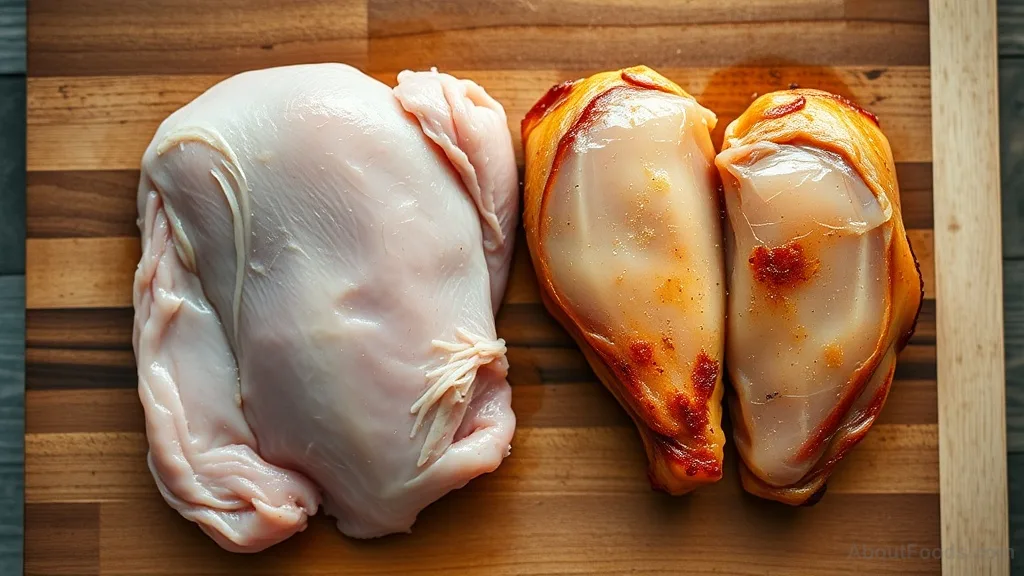
When you cook an egg, the clear egg white turns white and firm. That’s denaturation followed by coagulation. The proteins unfold and then stick together, trapping water. If you overcook, they squeeze out water, making the egg rubbery. The same happens with meat: cooking to the right internal temperature (around 145°F for beef, 165°F for poultry) coagulates proteins just enough to be safe and tender, without drying out.
Meat: From Tough to Tender
Meat contains muscle fibers made of proteins like myosin and actin. In tough cuts (like chuck or brisket), these fibers are long and strong. Slow cooking at low temperatures (around 200°F) breaks down connective tissue (collagen) into gelatin, which adds juiciness and body. For tender cuts (like tenderloin), quick cooking to medium-rare keeps proteins from over-coagulating, so they stay tender. The takeaway? Choose your technique based on the cut.
Temperature Guide for Perfect Protein Cooking
Use a reliable instant-read thermometer to hit these temperatures. For chicken, remove it from heat at 160°F; the residual heat will bring it to 165°F without overcooking.
Eggs and Dairy: Silky, Creamy, Fluffy
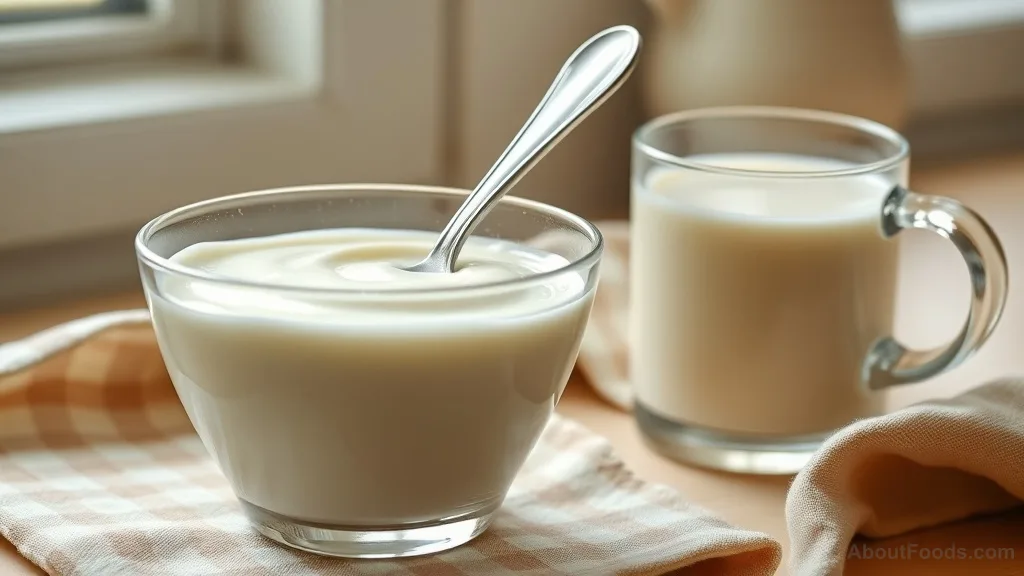
Eggs are a protein powerhouse. For fluffy scrambled eggs, cook over low heat, stirring constantly. The slow coagulation gives a creamy texture. For a custard (like crème brûlée), the egg proteins form a delicate gel when heated gently in a water bath. Too high a heat curdles the eggs. Dairy: when making yogurt, heating milk to 180°F denatures the whey proteins so they can later form a smooth, thick gel when fermentation starts. If you skip this step, the yogurt may be thin.
The Role of Salt and Acid in Protein Structure
Salt and acid can alter protein structure even before heat is applied. For example, brining chicken (soaking in salt water) denatures some proteins, allowing them to hold more water during cooking. The result? Juicier meat. Acidic marinades (like lemon juice for ceviche) can “cook” fish by denaturing the proteins, giving a firm yet tender texture without heat. But be careful: too much acid or too long can make proteins tough and dry.
Common Mistakes and How to Avoid Them
Frequently Asked Questions
Why does my chicken always come out dry?
Likely cooked to too high a temperature. Chicken breast overcooks easily; use a thermometer and pull it at 160°F for carryover cooking to 165°F. Brining also helps retain moisture.
How does salt affect meat texture?
Salt denatures proteins, allowing them to hold more water. A brine (salt water) or a dry brine (salting in advance) helps meat stay juicy and tender.
Can I reverse tough meat?
Yes, if it's just firmer than desired, gentle reheating in liquid (like broth) can help relax proteins. But overdone meat is harder to fix; prevention is best.
Rate this article
No ratings yet. Be the first to rate it.

Written by
Anaya Iyer
Specialises in Indian cuisineAnaya Iyer (not Patel or Sharma) makes dosas so crisp they shatter like glass. She is a fermentation nerd.
Describe yourself in three words: Crispy, nerdy, sourdoh.