Myth Busting
Unpacking the Steak Resting Myth: Does Resting Really Keep the Juice In?
You’ve likely heard that if you don’t rest your steak, all the juices will run out. This article examines the science behind meat resting and reveals how much of that advice is truly essential for a juicy steak.
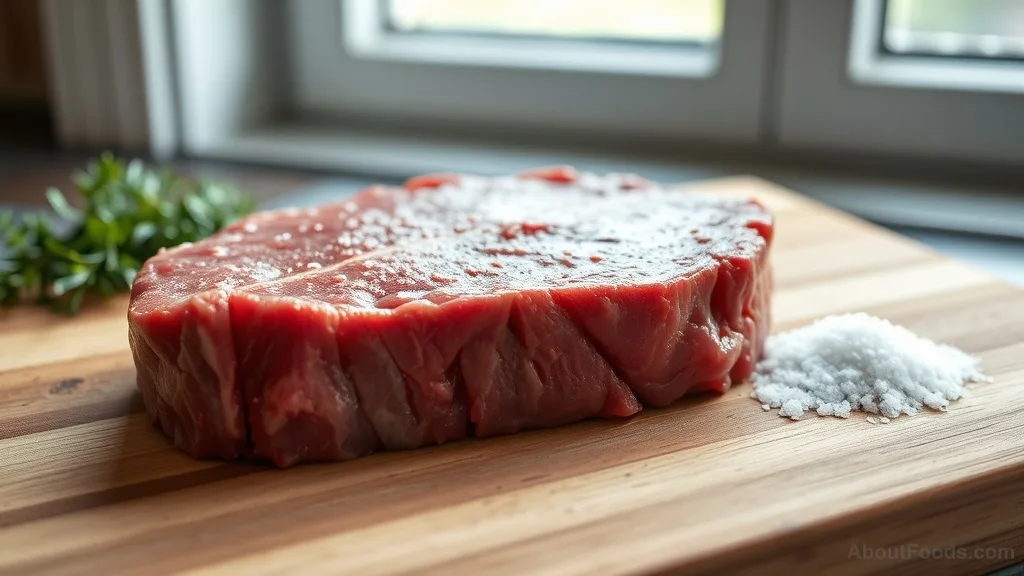
The Great Steak Resting Commandment
'Thou shalt rest thy steak for half the cooking time, lest all its juices flee.' Most home cooks have heard a version of this rule. The idea is that if you slice into a steak right off the heat, the juices will gush out and leave you with a dry, sad piece of meat. But what does the science actually say? Is resting a must, or is it a tradition we follow out of habit? Let’s dig into the meaty details.
Why Do People Think Resting Matters?
The resting theory goes like this: when you cook a steak, heat pushes moisture away from the surface toward the center (think of a sponge being squeezed from the edges). If you cut immediately, that pressurized moisture escapes quickly. A rest allows the muscle fibers to relax, letting the moisture redistribute more evenly so it stays inside the meat when sliced.
It sounds logical, and there is some truth to the physics of moisture migration. But does that really mean a rested steak retains significantly more liquid than an unrested one? To answer that, we need to understand the architecture of meat.
What Happens Inside Meat When You Cook It
Meat is roughly 75% water, held within muscle fibers and between them. When you heat the steak, muscle proteins denature and contract, squeezing water out of the fibers into the spaces between them. At the same time, the heat drives moisture from the drier surface toward the cooler center via a process called 'thermal migration'. So, yes, there's a movement of water, but there's also loss: some juice simply evaporates from the surface or cooks out as drippings.
The Key Factors That Affect Juice Retention
What the Science Says: Resting vs. Not Resting
Controlled experiments (including tests by food scientists and respected recipe developers) have weighed steaks before cooking, after cooking (sans resting), and after resting for various times. The results are surprising: the total moisture loss (evaporation + drippings) is similar regardless of rest time – sometimes within 1–2% difference. The total weight loss from cooking to serving is mainly due to evaporation during cooking and the drip of surface fluids, not from slicing.
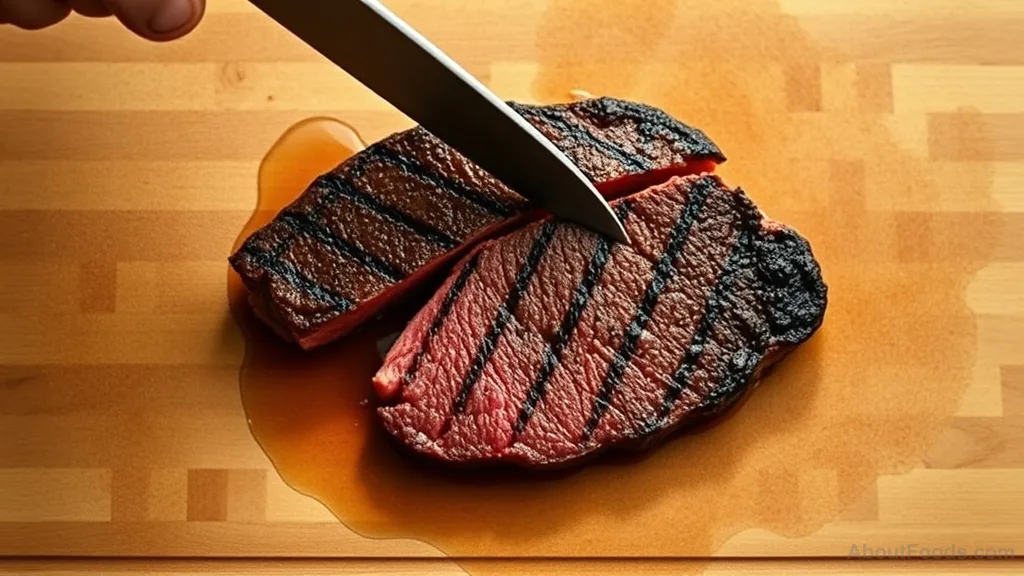
When you slice a hot, unrested steak, you will see a pool of juice on the cutting board. That juice is mostly water and some flavor compounds. But is it the same juice that would 'stay' if rested? Partially, but not all of it: some of that liquid would have been lost even after a rest, just at a slower rate, and some of it would be reabsorbed into the fibers as they relax. However, the net juice retained in a bite of rested versus freshly cut steak is negligible in many side-by-side taste tests. The bigger difference is usually the carryover heating and the more uniform doneness.
Why We Still Recommend Resting (Even If It's Not for Juice)
Despite the myth-busting, I still rest my own steaks. Not primarily for juice retention, but for three other scientific reasons:.
- Better serve temperature: A rested steak cools slightly so each bite feels ideal
- not scalding hot.
- Carryover cooking control: Without rest
- the center can climb 5–10°F after you slice
- potentially overcooking the meat you worked so hard to perfect.
- Less messy plate: The juice that would pool on the plate can be served with the steak (just pour it back on).
In short, an over-long 30-minute rest is wasteful. A 5–10 minute rest is enough. For thin cuts like flank or hanger, 3–5 minutes will do.
Practical Tips: What You Should Actually Do
Based on the science, here is my stoic, efficient guide to steak resting:.
- Aim for proper doneness first: a perfectly cooked rare-to-medium steak will be juicier than any rested overdone steak.
- Rest for 1 minute per 100g (3.5 oz) of thickness – no longer. Set a timer.
- Tent loosely with foil if you must
- but avoid tight wrapping that continues cooking.
- Slice against the grain
- not with it
- for an already tender bite.
- Don't worry about saving the juices that run out
For home cooks, stress less about 'losing juice' and focus on nailing the temperature and resting just enough for a safe, enjoyable plate.
Frequently Asked Questions About Steak Resting
Takeaway: Relax, Your Steak Will Be Fine
The great steak resting debate ends with a gentle shrug. Rest your steak if you want a more controlled temperature and a less messy plate; skip it if you're hungry. The difference in juice retention is overstated. What truly matters is cooking to the right internal temperature, buying quality meat, and cutting properly. Follow those three things, and you'll enjoy a delicious steak regardless of rest time.
Rate this article
No ratings yet. Be the first to rate it.

Written by
Anya Ivanov
Specialises in Russian cuisineAnya makes pelmeni in batches of 500. She says freezing them is the only way to survive winter.
Describe yourself in three words: Stoic, efficient, freezer queen.