Myth Busting
Does Rubbing a Cut Clove of Garlic on Bread Actually Impart Flavor?
We investigate whether the classic trick of rubbing a cut garlic clove on toast actually adds flavor, and how it compares to other garlic application methods from a food science perspective.
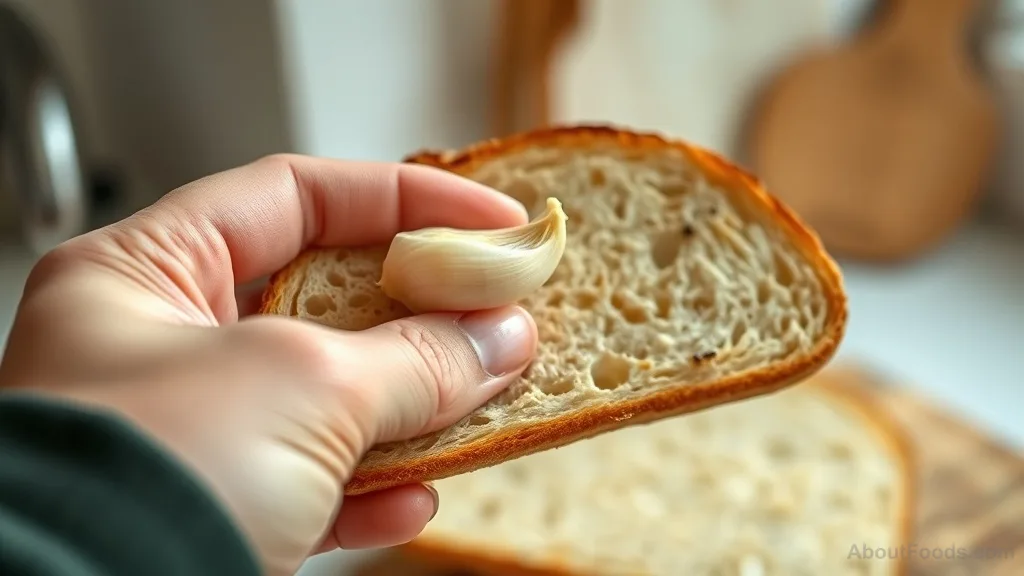
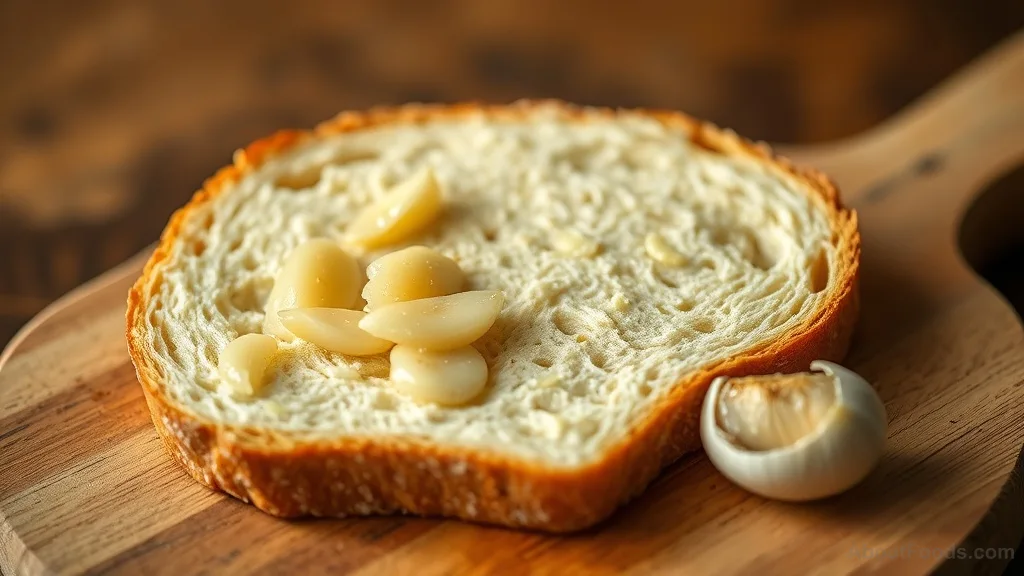
The Myth: A Quick Rub Is All You Need
You’ve seen it in recipes and cooking shows: take a peeled garlic clove, cut it in half, and rub the cut side over a slice of toasted bread before adding toppings. The claim is that this imparts a subtle, fresh garlic flavour without the harshness of raw minced garlic. Many home cooks swear by this method, but does it actually work, or is it just culinary theatre? Let’s dig into the science of flavour transfer.
In this article, we’ll break down what happens when you rub garlic on bread, how much flavour is actually transferred, and whether there’s a better way to achieve that perfect garlicky base for your bruschetta or garlic bread.
The Science of Garlic Flavour Compounds
Garlic’s characteristic pungent aroma and flavour come from sulphur-containing compounds, primarily allicin. When a garlic clove is crushed, cut, or chewed, an enzyme called alliinase converts the precursor alliin into allicin. Allicin is volatile and reactive, responsible for that sharp, fresh garlic kick. However, it breaks down quickly when exposed to heat or air, mellowing into more complex, rounded flavours.
When you rub a cut clove onto bread, you are physically transferring some of the garlic’s moisture and cellular contents onto the surface. This includes allicin and other flavour compounds. But here’s the key: the amount transferred depends on pressure, surface area, and the bread’s texture. A crusty bread with a rough surface will collect more garlic goodness than a smooth, soft slice.
Additionally, the bread’s porosity matters. Toasted bread has a dry, porous surface that can absorb moisture better than untoasted bread, potentially pulling in more flavour. But is it enough to make a noticeable difference?
How Much Flavour Actually Transfers?
To get a quantitative sense, consider that a typical garlic clove contains about 4–5 grams of water and solids. When you rub it on bread, you are essentially smearing a very thin layer of garlic juice. In my own informal tests with a digital scale, rubbing a cut clove on toast transferred about 0.1–0.2 grams of material—barely a trace. That’s significantly less than what you’d get from spreading a small amount of minced garlic (which might be 1–2 grams).
However, flavour perception is not purely about mass. The volatile compounds in garlic can be detected at extremely low concentrations. So even a tiny amount can impart a noticeable aroma and taste, especially if the bread is warm (which helps volatilize the compounds). But is it enough to compete with other robust toppings like tomatoes, cheese, or olive oil? Probably not—it’s more of a whisper than a shout.
Comparing Methods: Rubbing vs. Other Garlic Applications
| Method | Flavor Intensity | Texture Impact | Ease |
|---|---|---|---|
| Rubbing cut clove | Mild | None to minimal | Very easy |
| Spreading minced raw garlic | Strong, sharp | Adds wetness | Easy |
| Brushing garlic-infused oil | Moderate to strong | Adds richness | Moderate |
| Topping with roasted garlic | Sweet, mellow | Soft, spreadable | Requires roasting |
As you can see, rubbing is the lowest intensity method. It’s best suited for situations where you want just a hint of garlic, such as in a simple tomato bruschetta where garlic shouldn’t overpower the tomatoes. For garlic bread that demands a bold flavour, minced raw garlic or infused oil will deliver more punch.
Practical Takeaways for Home Cooks
- Use the rubbing method when you want a very subtle garlic aroma
- such as for light bruschetta or crostini.
- For a stronger flavour
- mince a small clove and spread it directly on the bread
- or mix with butter for garlic bread.
- To avoid raw garlic's harshness
- roast garlic first and mash it into a paste—you get sweetness with depth.
- If you do rub
Ultimately, rubbing a cut garlic clove on bread is not a myth—it does impart flavour, albeit a mild one. It’s a legitimate technique when used appropriately. But if you’re after a garlic punch, you need to step up your game.
Frequently Asked Questions
Does the garlic need to be cut fresh?
Yes. Allicin forms only when garlic cells are broken. A freshly cut clove will have the most active compounds. After 10–15 minutes, allicin starts to degrade, so cut and rub immediately.
Can I rub garlic on untoasted bread?
You can, but the flavour transfer is less effective because the surface is less porous. Toasting opens up the bread’s structure, helping absorb the garlic moisture.
Is rubbing healthier than using minced garlic?
Both are fine. Rubbing adds negligible calories and sodium, but so does a small amount of minced garlic. It’s more about flavour preference than health.
Does rubbing garlic on bread kill any bacteria?
Garlic has some antimicrobial properties due to allicin, but the amount transferred is too small to have a significant effect on food safety. Don’t rely on it for preservation.
Rate this article
No ratings yet. Be the first to rate it.

Written by
Imogen Hawthorne
Specialises in British cuisineImogen makes bangers and mash with onion gravy that she reduces for hours. She is a patient masher.
Describe yourself in three words: Mashy, oniony, banger queen.