Myth Busting
Why You Should Stop Believing 'Salt Kills Yeast' (Unless You Do It Wrong)
Salt doesn't kill yeast—not directly. The real enemy is poor technique. Learn how salt actually strengthens dough, why direct contact is the only risk, and how to use salt without sabotaging your rise.
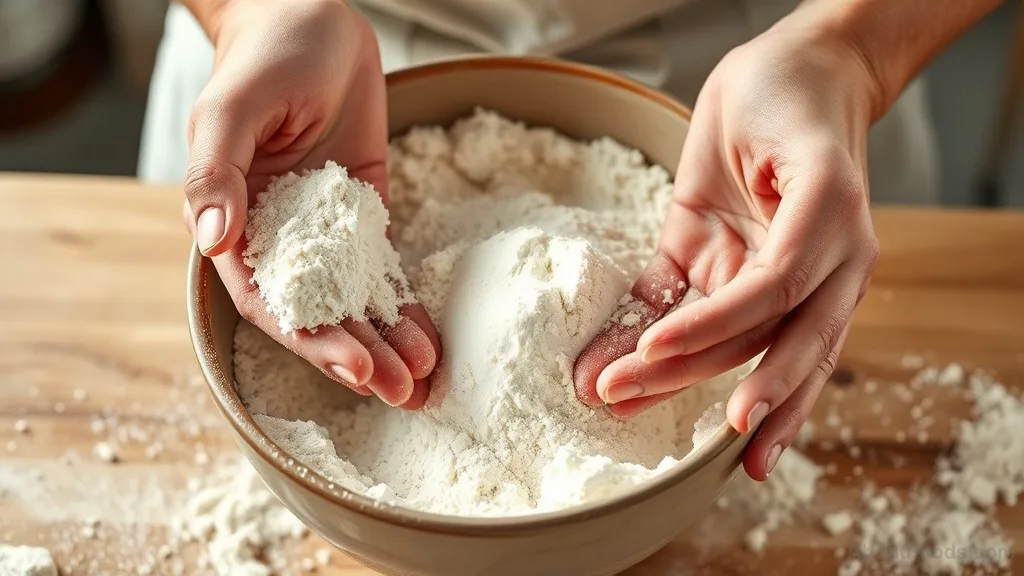
The Myth That Won't Die
Walk into any home kitchen and you'll hear it: "Don't let salt touch yeast—it kills it." This piece of advice has been passed down like a sacred rule. But like many baking 'rules,' it's only half true. Salt does not kill yeast under normal bread-making conditions. In fact, salt is essential for a good loaf. The real danger is not salt itself, but how you introduce it. Let's look at the science.
What Salt Actually Does to Yeast
Yeast is a living organism. It feeds on sugars and produces carbon dioxide and alcohol—the gases that make bread rise. Salt affects yeast in two ways: it controls fermentation rate and strengthens the dough structure. At typical dough concentrations (around 1.8–2.2% of flour weight), salt slows yeast activity slightly, which is actually beneficial. It prevents the dough from over-proofing and gives you a more even crumb. Think of salt as a moderator, not an assassin.
As you can see, salt doesn't kill yeast until you get to very high levels that would make bread inedible anyway. In typical recipes, salt is a helping hand.
The One Situation Where Salt Can Kill Yeast
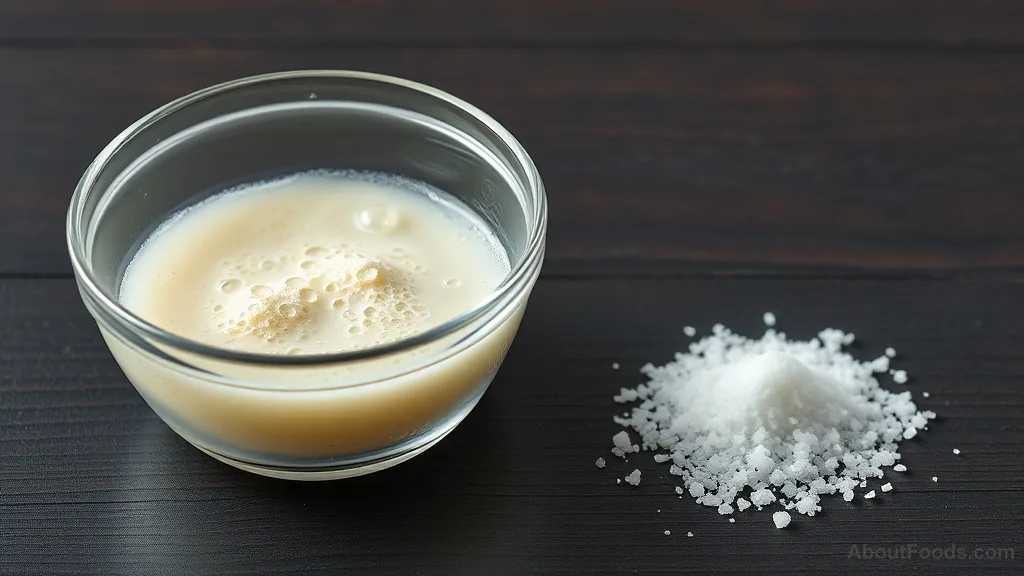
Here's the catch: if you sprinkle salt directly onto yeast in a liquid environment—say, dissolving yeast in warm water and then adding salt on top—the high local concentration of salt can dehydrate and kill the yeast cells through osmosis. Yeast cells are surrounded by a semipermeable membrane. When surrounded by a high-salt environment, water rushes out of the cells, causing them to shrivel and die. This is the same principle behind curing meat or pickling.
But in a dough, the salt is distributed throughout the flour, so the concentration around any individual yeast cell remains low. The key is to mix salt with flour first, or dissolve it in the water before adding yeast, or use the autolyse method where salt is added later after the flour has hydrated. Direct contact is the only real danger.
How Salt Strengthens Your Dough
Salt doesn't just control yeast; it also tightens the gluten network. Sodium ions interact with gluten proteins, making them more resilient. This means your dough can hold more gas, rise higher, and have a better crumb structure. Without salt, dough feels sticky, weak, and tends to spread rather than rise. Have you ever baked a salt-free loaf? It often comes out flat and pale.
- Salt strengthens gluten
- improving dough elasticity and gas retention.
- It enhances browning and crust color by controlling sugar fermentation.
- Salt amplifies flavor—not just saltiness
- but also the wheat and fermentation notes.
So skipping salt to 'protect' your yeast is actually counterproductive. You lose flavor, structure, and color.
Practical Tips: How to Add Salt Without Worry
If you're still nervous, here are foolproof methods to keep yeast happy and salt effective:.
- Mix salt into the flour before adding any liquid. This is the simplest and safest method.
- Dissolve salt in the water first
- then add yeast. Ensure the water is at the right temperature (around 35°C or 95°F for dry yeast
- lower for fresh).
- Use the autolyse method: mix flour and water first
- let it rest 20–30 minutes
- then add salt and yeast (or just salt if using preferment). This allows gluten to develop without salt interference initially.
Avoid adding salt directly to a yeast slurry or letting salt crystals sit on top of dissolved yeast. That's the only scenario where you risk killing them.
The Bottom Line
The fear that salt kills yeast is largely unfounded for normal bread baking. Salt is a vital ingredient that controls fermentation, strengthens dough, and improves flavor. The myth likely originated from the rare case of direct contact between salt and yeast in liquid, but even then, it takes a high concentration to cause significant die-off. So next time a recipe calls for salt, add it with confidence. Your dough—and your taste buds—will thank you.
FAQ: Quick Answers to Common Questions
Can I add salt at the same time as yeast?
Yes, as long as they are mixed into the flour first, or both dissolved in water separately before combining. Just avoid direct contact in a small amount of liquid.
Does salt affect instant yeast differently?
No, the same principles apply. Instant yeast is just more concentrated and doesn't need rehydration, but salt still works by osmosis. Mixing into flour is still best.
What if I forgot to add salt? Can I add it later?
Yes, you can add salt after autolyse or during kneading. Dissolve it in a little water first. The dough may be slightly wetter, but it will still develop properly.
Is it okay to use a salt substitute?
Salt substitutes (like potassium chloride) will affect yeast and gluten differently. They may not strengthen dough the same way. Stick with regular salt for baking.
Rate this article
No ratings yet. Be the first to rate it.

Written by
Wei Liu
Specialises in Chinese cuisineWei is a dumpling folder who can make 60 per minute. His secret? She used to fold origami for a living.
Describe yourself in three words: Quiet, focused, intimidatingly skilled.