Baking And Dough
The Science Behind Baking and Dough: How Flour, Water, and Heat Work Together
Unlock the secrets of perfect dough by understanding the science of gluten development, yeast fermentation, and oven heat. This article explains how each ingredient and step affects your baked goods, helping you troubleshoot common problems and achieve consistent results.
Flour and Gluten: The Structural Foundation
Flour is more than just powder. It contains proteins—glutenin and gliadin—that, when mixed with water, form gluten. Gluten is a network of elastic strands that trap gas and give dough its structure. The type of flour matters: bread flour has higher protein (12-14%) for chewy bread; pastry flour has lower (8-10%) for tender cakes. All-purpose flour sits in the middle. Understanding protein content helps you choose the right flour for each bake.
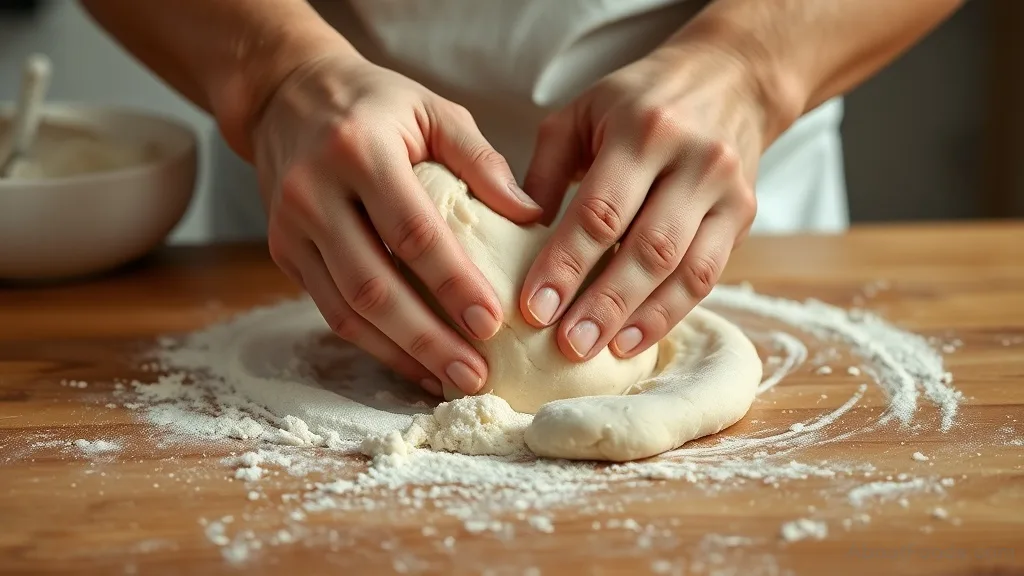
When you knead dough, you align and strengthen the gluten strands. Over-kneading can make dough tough, while under-kneading leads to weak structure and dense bread. The windowpane test—stretching a small piece of dough until it's thin enough to see light through without tearing—indicates proper gluten development.
Hydration and Dough Consistency
Water content, or hydration, dramatically affects dough behavior. Hydration is expressed as a percentage of flour weight. A 70% hydration dough (700g water per 1000g flour) is wet and slack, producing an open crumb. Lower hydration (50-60%) yields firmer dough for bagels or pasta. Water also activates enzymes that break starches into sugars, feeding yeast and contributing to browning.
- High hydration (70%+): sticky
- open crumb
- requires folding instead of kneading
- Medium hydration (60-70%): standard bread
- manageable by hand
- Low hydration (50-60%): stiff dough
- dense crumb
- ideal for noodles
Beginner tip: start with lower hydration doughs to learn handling, then gradually increase. Always use a digital scale for accuracy; measuring by volume is too inconsistent.
Yeast and Fermentation: The Rise
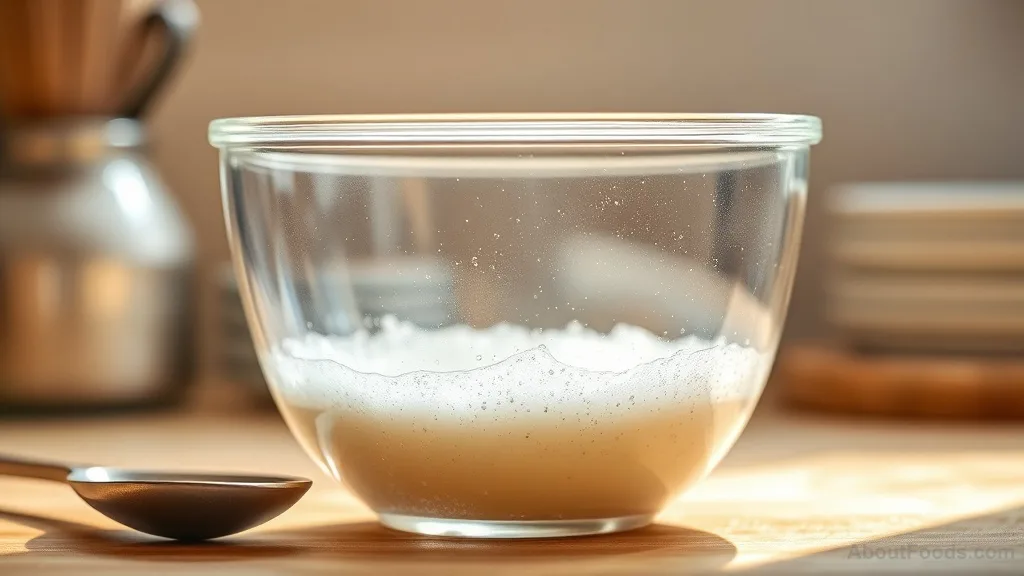
Yeast is a living microorganism. When activated with warm water and sugar, it consumes sugars and produces carbon dioxide and ethanol. The gas expands within the gluten network, causing the dough to rise. Fermentation also develops flavor—longer, slower ferments (like overnight in the fridge) produce more complex, tangy notes.
Common mistakes: water that's too hot (above 130°F) kills yeast; too cold (below 70°F) slows activity. Salt controls yeast; always mix salt with flour before adding yeast to avoid direct contact. Commercial instant yeast is forgiving, but active dry requires proofing. Sourdough uses wild yeast and bacteria for a unique flavor profile.
Sugar, Fat, and Enrichments: More Than Flavor
Sugar does more than sweeten. It tenderizes by interfering with gluten formation, helps browning through caramelization, and feeds yeast (though excess can slow fermentation by osmotic pressure). Fats like butter or oil shorten gluten strands, producing tender crumb—hence the name 'shortening.' Eggs add structure and richness; milk contributes to browning and soft texture.
For enriched doughs (brioche, challah), knead fat in gradually after initial gluten development. Too much fat or sugar can prevent proper rise. Balance is key.
The Oven and Heat Reactions
Oven heat triggers a series of reactions. First, oven spring: trapped gases expand rapidly, increasing volume. Then starches gelatinize (absorb water and swell) at around 165°F, setting the crumb. Finally, browning occurs via Maillard reaction (proteins and sugars, above 300°F) and caramelization (sugars alone), creating crust flavor and color.
Steam in the first few minutes of baking delays crust formation, maximizing oven spring. You can create steam by placing a pan of water on the oven floor or spraying water inside. Lower temperatures (350°F) suit rich doughs; higher (425°F+), lean doughs.
Troubleshooting Common Dough Problems
Frequently Asked Questions About Baking Science
Can I substitute all-purpose flour for bread flour?
Yes, but the structure will be weaker. Add vital wheat gluten (1 tbsp per cup) or accept a slightly denser crumb.
Why did my bread deflate when I slashed it?
The dough was likely over-proofed—the gluten weakened. Slash earlier in proofing or handle more gently.
Is it necessary to knead by hand?
No, a stand mixer works, but hand kneading helps you feel the dough's development. No-knead recipes rely on time and folding.
How do I know my oven temperature is accurate?
Use an oven thermometer. Many ovens run 25-50°F off, affecting rise and browning.
Final Thoughts: Respect the Process
Baking is a dance between ingredients, temperature, and time. By understanding the science, you gain control. Measure precisely, observe your dough, and don't rush fermentation. Every mistake teaches something. With practice, you'll develop an intuition that makes baking both rewarding and reliable.
Rate this article
No ratings yet. Be the first to rate it.

Written by
Camila Morales
Specialises in Mexican cuisineCamila makes mole that takes three days. She says shortcuts are for the weak. Her abuela approves.
Describe yourself in three words: Patient, serious, deeply traditional.