Heat And Temperature
The Science Behind Heat and Temperature in Everyday Cooking
Heat and temperature are often confused, but understanding the difference unlocks better cooking. This article explains how heat transfers through conduction, convection, and radiation, and how temperature affects browning, protein denaturation, and texture. Practical tips for home cooks included.
Why Heat and Temperature Aren't the Same Thing
In everyday conversation, 'heat' and 'temperature' are used interchangeably, but in the kitchen they play distinct roles. Temperature measures how hot something is — the average kinetic energy of molecules. Heat, on the other hand, is the total energy transferred from one object to another. Think of a large pot of simmering water: it has the same temperature as a small pot of boiling water, but it contains more heat energy because it has more water molecules. This difference matters when you sear a steak: a hot pan should not only be at a high temperature but also have enough thermal mass to maintain that temperature when cold meat hits it.
The Three Ways Heat Travels in Your Kitchen
Heat moves through your food and cookware by three mechanisms: conduction, convection, and radiation. Understanding each helps you choose the right pan, method, and temperature for the job.
Conduction: Direct Contact Heat
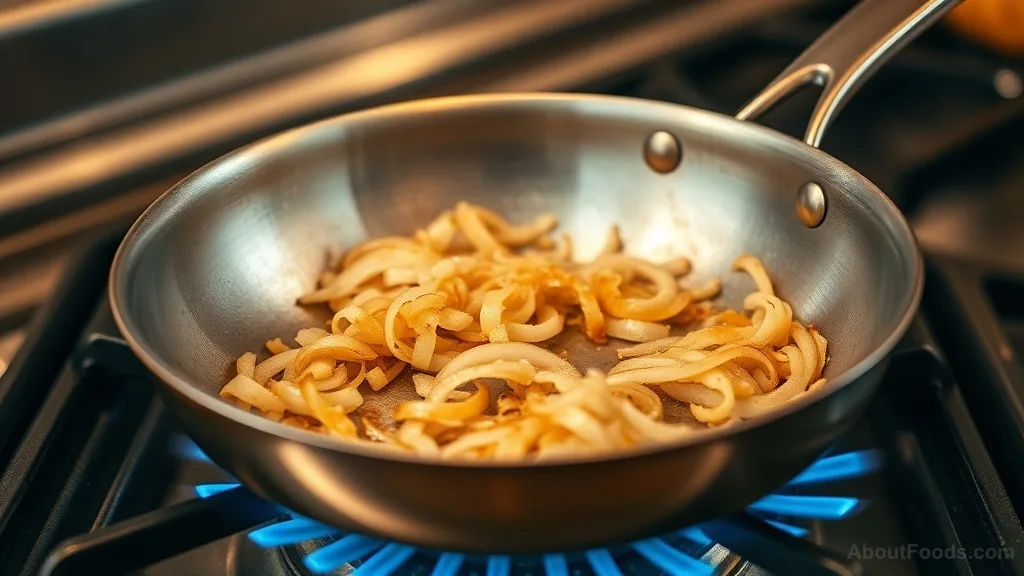
Conduction is the transfer of heat through direct contact. When you place a piece of chicken in a hot skillet, heat flows from the pan to the chicken. Metals differ in conductivity: copper and aluminum are excellent, while stainless steel is slower. A heavy-bottomed pan holds more heat (higher thermal mass), so when you add room-temperature food, the pan's temperature drops less, promoting better browning.
Convection: Air and Liquid Circulation
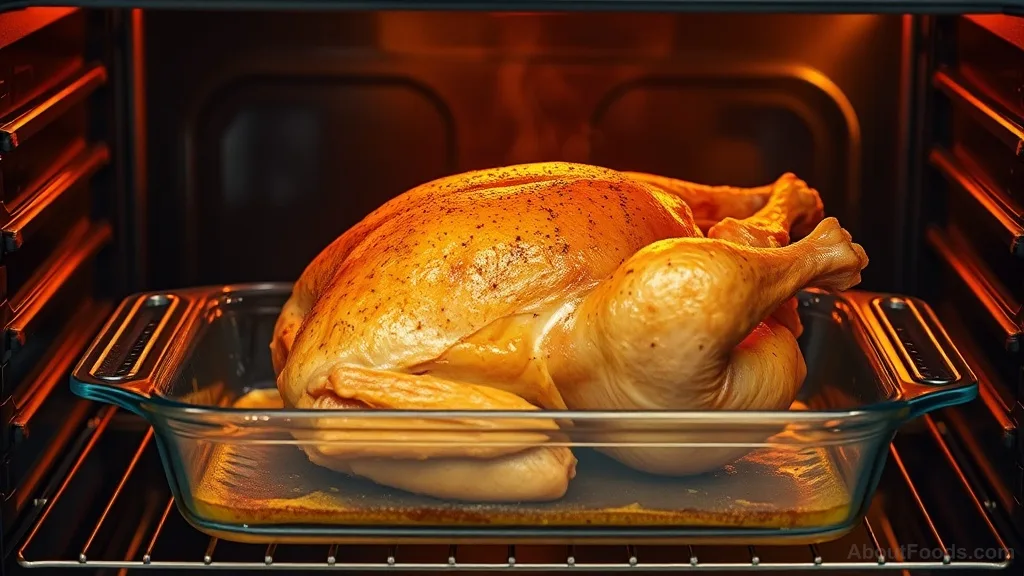
Convection transfers heat through the movement of fluids — air or liquid. In your oven, a convection fan circulates hot air, reducing hot spots and cooking food up to 25% faster. In a pot of soup, boiling water rises and falls, carrying heat to all parts of the food. This is why stirring helps evenly distribute heat.
Radiation: Heat Without Contact
Radiation is the transfer of heat via electromagnetic waves, like the infrared energy from glowing coals on a grill or the heating element in a toaster. It can pass through air and even vacuum, which is why the Sun heats Earth. In a broiler or charcoal grill, radiant heat provides intense, direct energy that browns and chars surfaces quickly.
How Temperature Alters Food Chemistry
Different temperatures trigger specific chemical reactions. Understanding these can help you control texture, flavor, and color.
Common Mistakes and How to Avoid Them
Even experienced cooks make errors related to heat and temperature. Here are a few straightforward fixes:.
Crowding the Pan
When you add too much cold food to a hot pan, the temperature drops and the food steams instead of sears. Cook in batches and give the pan time to come back to temperature.
Opening the Oven Repeatedly
Each time you open the oven door, temperature can drop 25-50°F. Use a light and a window to check doneness, or rely on an oven thermometer with an external probe.
Using the Wrong Pan for the Heat Source
A thin pan distributes uneven heat, causing hot spots. For even browning, choose a heavy pan (cast iron, stainless tri-ply) that maintains temperature. Different stovetops (induction, gas, electric) also affect heating patterns.
Practical Tips for Everyday Cooking
- Use a meat thermometer to avoid guesswork. Temperature tells you doneness
- not just time.
- Preheat pans and ovens properly. Cold surfaces mean you're not cooking at the target temperature from the start.
- Bring refrigerated ingredients closer to room temperature before cooking to reduce temperature shock and ensure even cooking.
- For searing
- pat food dry. Water evaporating robs heat and prevents browning until moisture is gone.
- Match cookware to heat source: cast iron holds heat excellently
- copper conducts quickly
Frequently Asked Questions
Rate this article
No ratings yet. Be the first to rate it.
Written by
Linh Nguyen
Specialises in Vietnamese cuisineLinh makes pho that takes 12 hours. She says the secret is charring the ginger and onion until they weep.
Describe yourself in three words: Quiet, devoted, smells of star anise.