Ingredient Behaviour
The Science Behind Ingredient Behaviour in Everyday Cooking
Understand how ingredients behave under heat, acid, and mechanical action so you can cook with confidence. This guide covers protein denaturation, starch gelatinization, and emulsion stability with practical takeaways for home cooks.
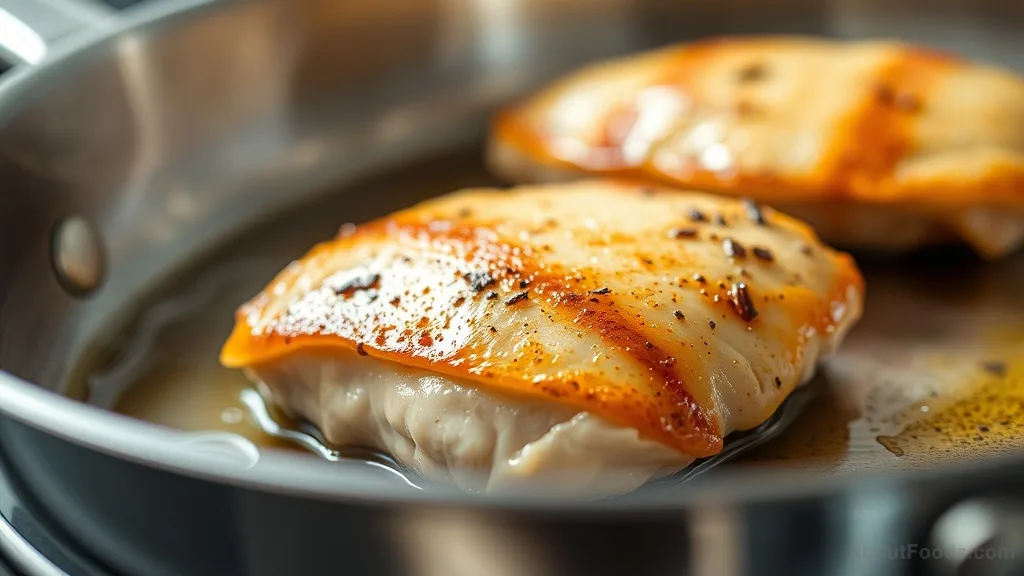
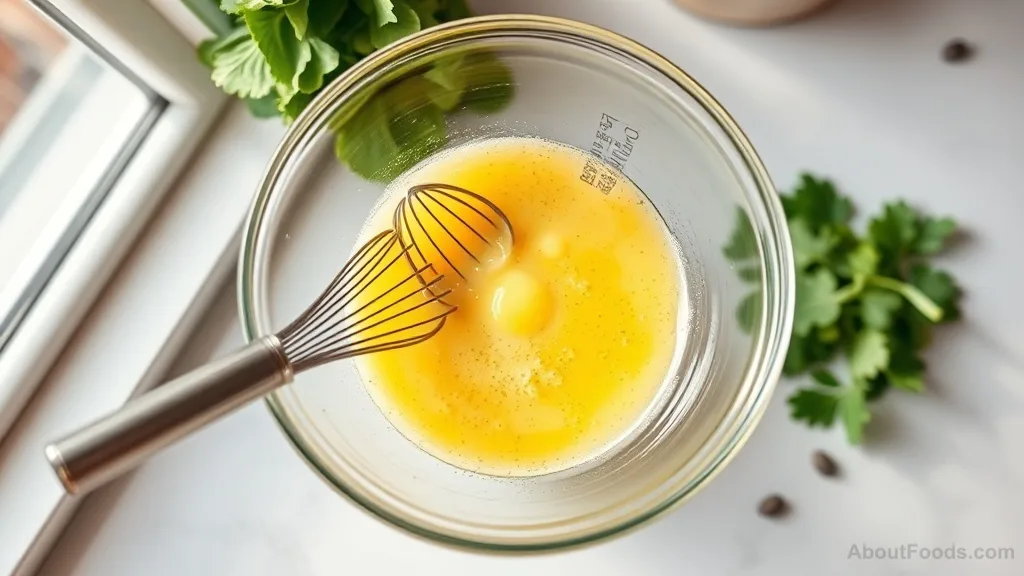
Proteins: From Raw to Firm
Every cook knows that raw egg white goes from clear to opaque and firm when heated. That’s protein denaturation and coagulation in action. Proteins are long chains of amino acids folded into specific shapes. Heat provides energy that breaks weak bonds, causing the chains to unfold and then bond with one another into a new, solid network. This is why meat becomes firm when cooked and why scrambled eggs turn from liquid to solid. The key is temperature control: egg whites coagulate around 62°C (144°F), while yolks set near 70°C (158°F). Overcooking forces too many bonds to form, squeezing out water and creating a rubbery texture. The same principle applies to meat: collagen, a connective tissue protein, unravels and gelatinises at slow simmering temperatures, bringing tenderness—but crank up the heat too high too fast, and muscle proteins tighten, expelling moisture. For juicier chicken or fish, cook gently and let the meat rest so juices redistribute.
- Egg whites set at ~62°C
- yolks near 70°C.
- Gentle heat preserves moisture in proteins.
- Resting meat allows reabsorption of expelled juices.
Starches: How Sauces Thicken
Starch molecules, found in flour, cornstarch, rice, and potatoes, are packed into granules. When you add a starch to a hot liquid, the granules absorb water and swell, a process called gelatinisation. At around 60-70°C (140-160°F), the granules burst, releasing amylose and amylopectin molecules that thicken the liquid. For a silky sauce, you must whisk constantly to prevent lumps—these are inadequately hydrated starch clusters. Cornstarch begins to thicken at lower temperatures and produces a clear gloss, while flour thickens more slowly and yields an opaque finish. Acid can weaken the starch network: if you add vinegar or tomato to a thickened sauce too early, it may thin out. To avoid this, thicken the sauce first, then adjust acidity after removing from heat.
- Starch granules swell and burst at 60-70°C to thicken liquids.
- Acid (vinegar
- lemon
- tomato) can break down a starch-thickened sauce if added too early.
- Cornstarch yields clear
- glossy finish
- flour gives opaque
- matte texture.
Emulsions: When Oil and Water Make Peace
Oil and water do not mix—unless you have an emulsifier. An emulsifier molecule has one end that loves water (hydrophilic) and one end that loves fat (lipophilic). When you whisk oil into a water-based liquid, the emulsifier weds the two phases, forming tiny droplets of oil suspended in water. Common emulsifiers include egg yolk (thanks to lecithin), mustard, honey, and garlic paste. Mayonnaise is the classic example: egg yolk lecithin stabilises an enormous amount of oil into a water-based acid (vinegar or lemon juice). To keep emulsions stable, avoid temperatures above 80°C (176°F), which can denature the protein coatings around the droplets. Also add oil slowly, especially at the start, so each drop gets a full coating before the next joins in. If your vinaigrette splits, whisk in a teaspoon of mustard or a dab of honey to re-emulsify.
- Emulsifiers have water-loving and fat-loving ends.
- Egg yolk
- mustard
- honey
- garlic act as emulsifiers.
- Add oil slowly to prevent emulsion breakdown.
Common Mistakes and Fixes
Scrambled eggs rubbery? You likely cooked them on too high heat. Cook low and slow, barely stirring, to keep curds tender. Grainy ganache? The chocolate may have seized from a tiny amount of water; always chop chocolate finely and stir into warm cream that isn’t simmering. Thin gravy? You can rescue it by kneading equal parts butter and flour (beurre manié), dropping in small portions, and whisking until thick. Baking soda tumbling into bitter fluff? Use exactly the amount called for—excess alkali breaks proteins but leaves a soapy aftertaste.
FAQ
Rate this article
No ratings yet. Be the first to rate it.
Written by
Aisha Ismail
Specialises in Malaysian cuisineAisha is a nasi lemak specialist who renders her own coconut milk. She once cried when a reviewer asked for less sambal.
Describe yourself in three words: Sensitive, perfectionist, fiery sambal.