Texture And Mouthfeel
The Science Behind Texture and Mouthfeel in Everyday Cooking
From crispy coatings to silky sauces, texture and mouthfeel are crucial to how we experience food. This article breaks down the key scientific principles—emulsions, gels, foams, and more—that home cooks can use to master textures in everyday dishes.
Why Texture Matters
We often think of food in terms of flavor—sweet, salty, sour, bitter, umami—but texture is the silent partner that shapes how those flavors land on our tongue. Mouthfeel, the physical sensation of food in the mouth, can make a dish satisfying or disappointing. A silky chocolate mousse, a crunchy pickle, a creamy risotto: each relies on specific molecular structures that we can understand and control.
Crispiness: The Art of Water and Heat
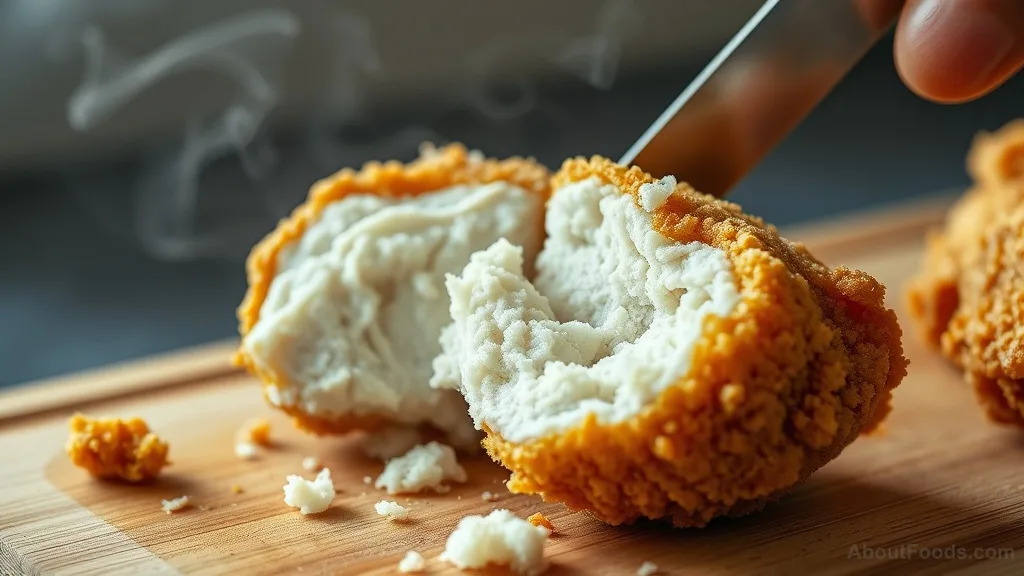
Crispiness is the sound and feel of brittle structures shattering. It usually requires a dry surface and a rigid network. When you fry or bake, heat drives water from the outer layer. In breaded foods, the coating (flour, breadcrumbs) gelatinizes and then dehydrates, forming a glassy, rigid starch matrix. The key is to keep the interior moist while the exterior loses water. That's why double-coating or using cornstarch in your batter can enhance crispiness—cornstarch absorbs moisture and forms a crisper crust.
One common mistake is crowding the pan. When too many pieces are added, the temperature drops and the crust steams instead of fries, resulting in soggy texture. Another tip: let fried foods rest on a wire rack, not paper towels. Paper traps steam, softening the crust.
Creaminess and Emulsions
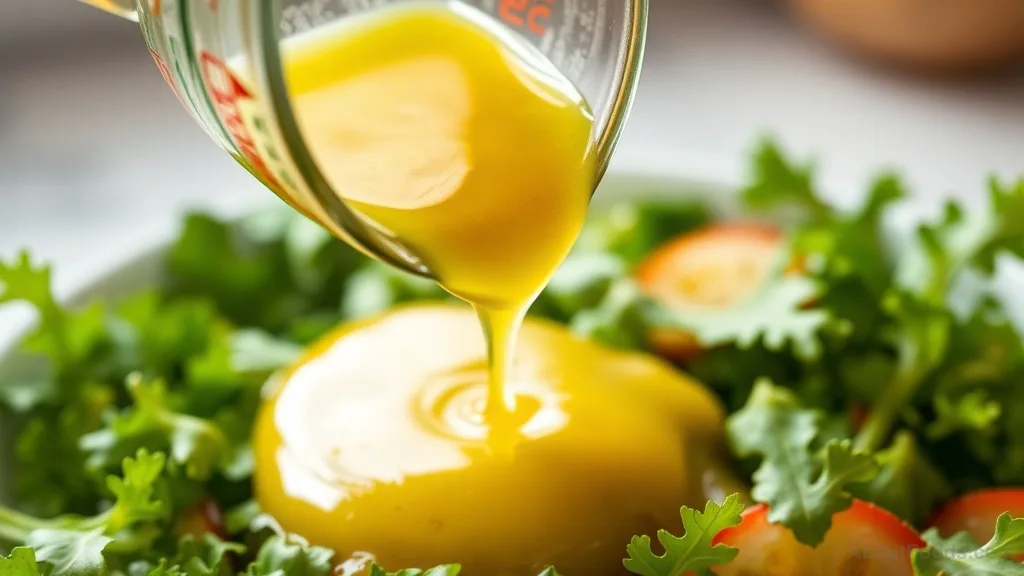
Creaminess feels rich and smooth, often due to emulsions—dispersion of one liquid in another immiscible liquid. In mayonnaise, oil droplets are suspended in water (from egg yolk and vinegar). The emulsifier (lecithin in egg yolk) coats the droplets, preventing them from merging. For a stable emulsion, add oil slowly while whisking. If it breaks, whisk a new egg yolk with a little water, then slowly whisk in the broken mixture.
Common creamy emulsions include hollandaise (butter in egg yolk), vinaigrette (oil in vinegar, stabilized by mustard), and béchamel (fat in milk). The mouthfeel of creaminess also depends on fat content—higher fat gives a thicker, coating sensation. But you can mimic creaminess with pureed cooked vegetables or starches, which create a similar smooth consistency.
Gels and Thickening: Turning Liquid into Solid
Gels are networks of molecules (starch, gelatin, pectin) that trap water. Starches like cornstarch thicken by swelling in hot water, creating a viscous paste. Gelatin from animal collagen forms a elastic gel when cooled. Pectin in fruits sets jams. Each gelling agent has different properties: cornstarch gives a glossy, tender gel; flour creates a cloudy, firm gel; gelatin melts at body temperature, giving a melt-in-mouth feel.
Foams: Airy Texture from Whipped Proteins
Foams are created when air bubbles are trapped in a liquid or semi-solid. Egg whites form a classic foam: whisking denatures the proteins, which unfold and create a network around the air bubbles. Sugar stabilizes the foam by slowing drainage. For stiff peaks, ensure no yolk (fat destabilizes foam), and use a clean bowl. Even a trace of grease can ruin your meringue.
In cooking, foams appear in mousses, soufflés, and espuma. whipping cream traps air in fat globules, another type of foam. The key is to stop before it turns into butter. Over-whipping causes the fat to clump and separate from the liquid.
Mouthfeel and Viscosity: The Feel of Your Food
Viscosity—how thick or thin a liquid feels—affects how long food stays in the mouth and how flavors are released. A low-viscosity soup may disappear quickly, while a thick gravy coats the tongue. Thickeners like roux or starches increase viscosity. But mouthfeel is also about lubrication: fats reduce friction between food and mouth surfaces, giving a smooth sensation. This is why low-fat dressings can feel watery, and adding a bit of oil transforms the texture.
- Increase creaminess: add fat (butter
- cream
- oil) or thickeners (starch
- egg yolk)
- Increase crispiness: dry surface
- use cornstarch
- avoid steam
- Increase thickness: add starch
Practical Takeaways for Home Cooks
Understanding the science behind texture empowers you to troubleshoot and innovate. Here are some rules of thumb:.
- For crispy coatings: dry the food first
- use cornstarch
- and fry at the right temperature (350–375°F).
- For creamy sauces: emulsify slowly
- use an emulsifier (mustard
- egg yolk)
- or puree.
- For thick gravies: whisk flour or starch with cold water before adding to hot liquid to prevent lumps.
Frequently Asked Questions
Rate this article
No ratings yet. Be the first to rate it.

Written by
Anaya Iyer
Specialises in Indian cuisineAnaya Iyer (not Patel or Sharma) makes dosas so crisp they shatter like glass. She is a fermentation nerd.
Describe yourself in three words: Crispy, nerdy, sourdoh.