Myth Busting
Why You Should Stop Blending Your Soups Too Much (Emulsion Breakdown)
Over-blending can ruin the texture of creamy soups by shearing apart emulsified fats. Learn the science of emulsion breakdown and how to achieve the perfect velvety consistency without turning your soup into a watery mess.
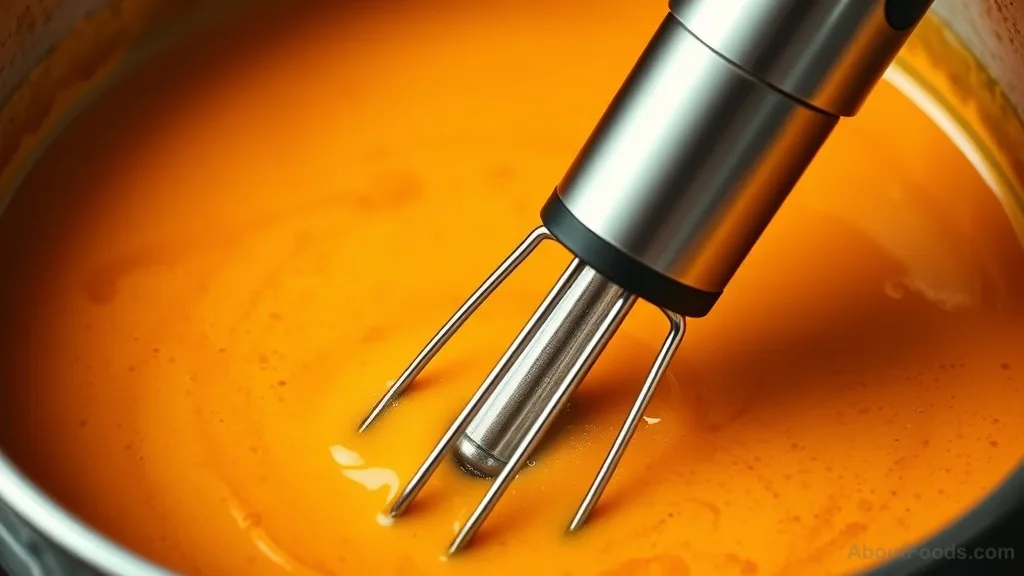
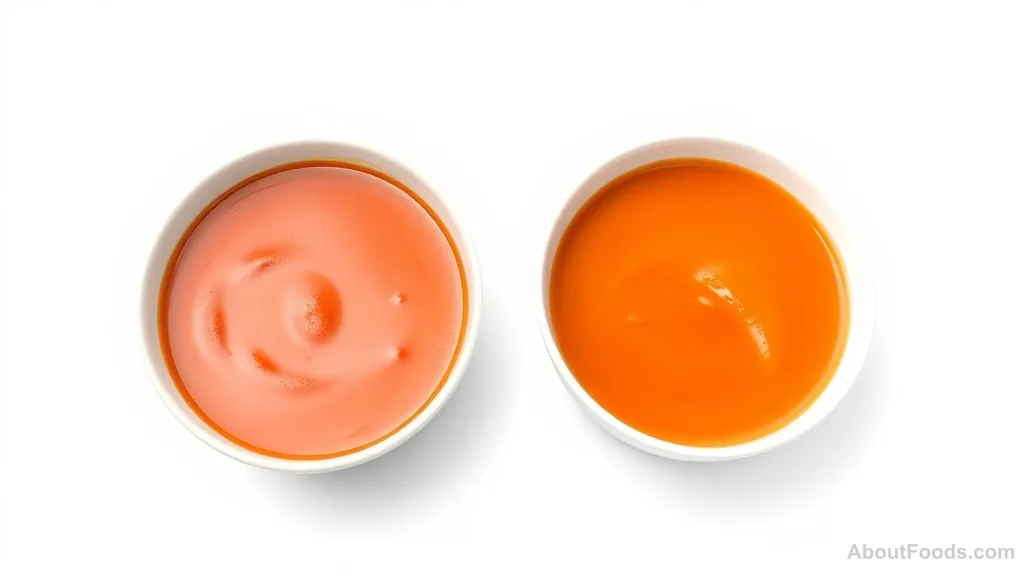
The Myth: Blending Longer Makes Soup Creamier
Many home cooks believe that the longer you blend a soup, the smoother and creamier it will become. After all, you want to break down every last bit of vegetable fiber, right? But there's a point of diminishing returns—and even a point where you ruin the texture entirely. The truth is, over-blending can actually make your soup watery, thin, and unappealing. This isn't a matter of personal preference; it's about the physics of emulsions.
What Is an Emulsion? (And Why Your Soup Is One)
A creamy soup is an emulsion—a mixture of two immiscible liquids, typically fat and water. In a tomato soup or a butternut squash soup, the fat comes from olive oil, butter, cream, or even the oil naturally present in nuts or seeds. The water comes from stock, water, or the vegetables' own juices. To keep them from separating, you need something to stabilize the droplets of fat suspended in the water. That's where proteins, starches, and lecithin (from ingredients like egg yolks or mustard) come in.
When you blend, you break the fat into smaller droplets, increasing the surface area. The stabilizers then coat these droplets, preventing them from re-joining. The result is a smooth, homogenous, velvety liquid. But there's a catch: if you blend too aggressively or for too long, you can destroy that delicate balance.
How Over-Blending Breaks the Emulsion
Imagine you're beating oil into a vinaigrette. If you whisk gently, you get a lovely temporary emulsion. If you whisk too hard or too long, the oil droplets become so small that the stabilizers can't cover them all. They start to coalesce, and the dressing separates. The same thing happens in your soup blender. The high shear forces of an immersion blender or a countertop blender can shear the fat droplets into such tiny particles that the emulsifiers—mostly starches from potatoes or proteins from dairy—cannot adequately coat them. Without a stable coating, the droplets merge, and the fat separates from the water, leaving you with a greasy layer on top and a thin, watery soup below.
The problem is compounded if your soup contains a lot of fat relative to stabilizers. A soup that's heavy on cream but light on starchy vegetables (like potatoes) will break more easily. Also, high-speed blending generates heat, which can denature (unfold) proteins that help with emulsification, further weakening the structure.
Signs Your Soup Has Broken
- A greasy film or puddle of oil on the surface
- A watery
- thin consistency that doesn't coat a spoon
- Visible separation into layers (fat on top
- watery liquid below)
How to Blend Soup Correctly for a Velvety Texture
To avoid breaking the emulsion, follow these tips:.
- Use a starchy base like potato
- rice
- or beans to provide plenty of emulsifying starches.
- Don't add all the fat at once. Drizzle in oil or cream after initial blending
- then pulse just to combine.
- Blend in short bursts (5-10 seconds) using an immersion blender. Avoid running it continuously for more than 20-30 seconds.
- If using a countertop blender
- start on low speed and gradually increase to medium. Blend only until smooth
What to Do If You’ve Over-Blended
If your soup has already broken, don't despair. You can often rescue it by adding an extra source of stabilizer. Whisk in a little cornstarch slurry (cornstarch mixed with cold water) and simmer gently until thickened. Alternatively, stir in a spoonful of tomato paste, which contains natural emulsifiers. You can also emulsify a fresh egg yolk into the soup (off the heat, so it doesn't scramble). For a quick temporary fix, drizzle in a few tablespoons of heavy cream while gently whisking—the cream can re-emulsify some of the fat.
The Bottom Line: Less Is More
Next time you're making a creamy soup, resist the urge to keep blending until you think it's 'perfectly smooth.' Stop sooner than you think you should. You'll preserve the emulsion, resulting in a soup that's thick, velvety, and cloud-like—just the way it should be. Remember, in the kitchen, as in life, sometimes the best things come when you stop before you're done.
Frequently Asked Questions
Rate this article
No ratings yet. Be the first to rate it.

Written by
Zeynep Yilmaz
Specialises in Turkish cuisineZeynep makes baklava with pistachios from her hometown of Gaziantep. She will tell you the exact village.
Describe yourself in three words: Proud, nutty, regionalist.