Texture And Mouthfeel
Texture and Mouthfeel Myths That Confuse Home Cooks
Many home cooks believe that texture and mouthfeel are beyond their control. In truth, a few key scientific principles can help you achieve tender meats, creamy sauces, and crisp crusts every time.
Why Texture and Mouthfeel Matter
When we eat, our brain judges food not just by taste but by how it feels. A soggy crust, a grainy sauce, or a tough steak can ruin an otherwise perfect dish. Yet many home cooks believe that these texture problems are inevitable or require professional tricks. In reality, most texture issues come from misunderstanding basic food science. In this article, I’ll debunk six common myths about texture and mouthfeel, and show you how simple adjustments can transform your cooking.
Myth #1: Searing Meat “Seals in the Juices”
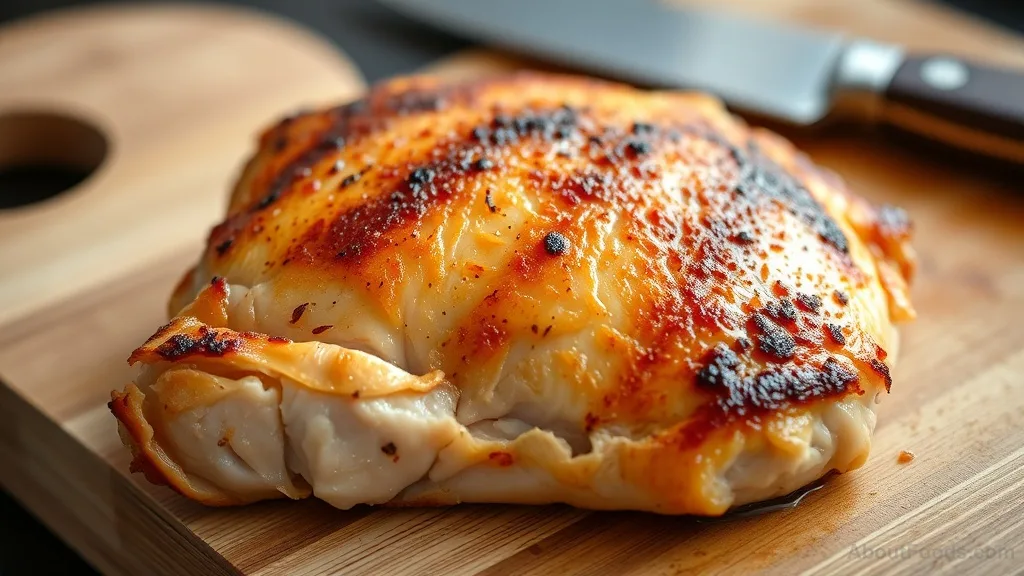
It’s one of the oldest kitchen myths: searing meat locks moisture inside. The idea sounds logical—create a crust, trap the juices. But when you actually measure moisture loss, seared and unseared meat lose almost the same amount of liquid during cooking. The browning from searing comes from the Maillard reaction, which creates flavor compounds, not a waterproof barrier. The real key to juicy meat is cooking to the correct internal temperature and letting the meat rest. Overcooking squeezes out moisture regardless of searing.
Myth #2: Brining Only Makes Meat Salty
Some cooks avoid brining because they think it just adds salt. But brining does something more important: it changes the protein structure. In a salt solution, the meat’s proteins unwind and create spaces that trap water. When you cook brined meat, these water molecules are held in place, so the meat stays moist even if you accidentally overcook it a bit. The salt also dissolves some of the muscle fibers, making the meat more tender. For lean cuts like chicken breast or pork loin, brining is a game-changer.
Myth #3: Adding Oil to Pasta Water Prevents Sticking
This myth has a grain of truth: oil does float on water. But when you dump the pasta into a colander, the oil goes with the water. Even if a thin film remains, it actually prevents sauce from clinging to the pasta. The real secret to non-sticky pasta is using enough water (at least 4 quarts per pound) and stirring immediately after adding the pasta. The starch released during cooking naturally thickens the water, and if you reserve some of that starchy water, you can use it to help your sauce adhere.
Myth #4: Cold Butter Makes Roux Lumpy
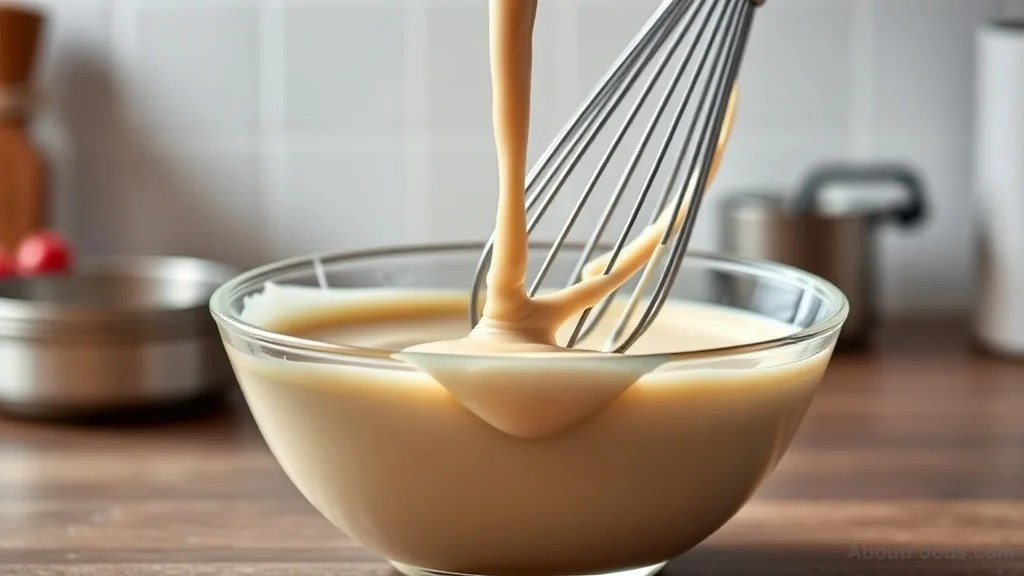
Many recipes insist butter must be at room temperature to make a roux. Not true. A roux is a suspension of flour in fat, and as long as the fat is liquid (melted), you can use cold butter—just melt it first. In fact, starting with cold butter and melting it slowly can give you more control over the browning. The key to a lump-free roux is whisking constantly and adding the flour gradually. Once the roux is smooth, you can add liquid without fear of lumps, as long as you whisk.
Myth #5: Soaking Beans Overnight Is Necessary for Creamy Texture
Soaking dried beans reduces cooking time, but it’s not essential for creaminess. In fact, some chefs argue that unsoaked beans produce a creamier texture because the skins are less likely to burst. The real science of creamy beans involves cooking them slowly at a gentle simmer, and adding salt early. Salt helps soften the skins by replacing calcium ions with sodium, making them more tender. Acid (like tomatoes or vinegar) should be added only after beans are fully cooked, because acid stops the softening process. Soaking is optional; proper cooking technique is not.
Myth #6: Adding Cornstarch to a Hot Liquid Always Creates Lumps
Cornstarch can be tricky: if you dump it directly into hot liquid, it forms clumps. But the trick is to make a slurry first—mix cornstarch with cold water until smooth—then whisk it into the hot liquid. The cold water separates the starch granules so they disperse evenly. Once in the hot liquid, the granules swell and thicken the sauce. The myth arises because people skip the slurry step. A slurry works every time, whether you’re making gravy, stir-fry sauce, or pudding.
Rate this article
No ratings yet. Be the first to rate it.

Written by
Wei Liu
Specialises in Chinese cuisineWei is a dumpling folder who can make 60 per minute. His secret? She used to fold origami for a living.
Describe yourself in three words: Quiet, focused, intimidatingly skilled.