Myth Busting
The Truth About 'Organic' Produce — Does It Taste Different?
We explore the science behind organic versus conventional produce, debunking myths and revealing what actually affects flavor. Spoiler: it's not just about the label.
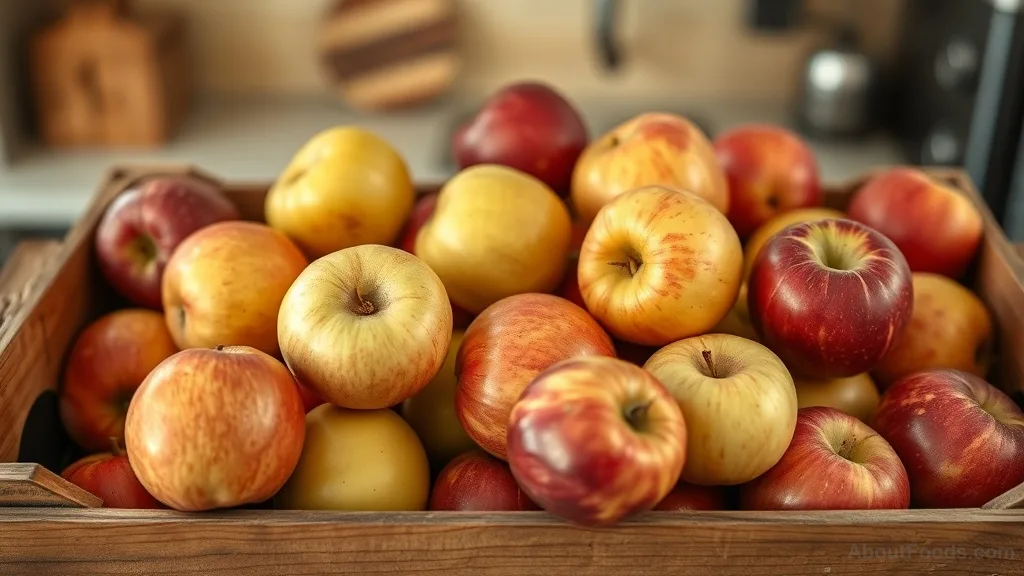
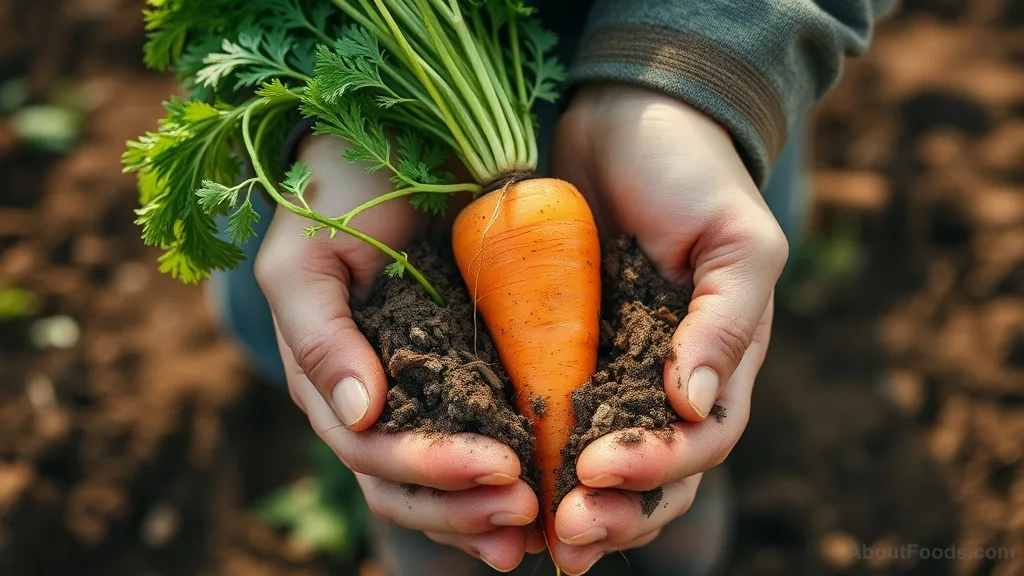
The Organic Mystique
Walk into any grocery store and you'll see it: the organic section, often slicker, sometimes pricier, and always promising something better. But as I stand here with my buttery hands resting on a crate of apples, I wonder — does the 'organic' label truly change how a fruit tastes? Or is it all in our heads? I'm Claire Dubois, a food scientist who has spent many a morning picking through produce, and I'm here to guide you through the science behind this delicious debate.
What Does 'Organic' Actually Mean?
First, a quick reminder: organic farming avoids synthetic pesticides, fertilizers, genetically modified organisms, and often emphasizes soil health through crop rotation and composting. But here's the kicker — the term 'organic' is about farming methods, not flavor. So where do taste differences come from?
The real flavor champions are plant compounds called secondary metabolites. These include antioxidants like flavonoids and polyphenols, as well as volatile organic compounds that give fruits and veggies their distinctive aromas. Studies suggest that organic farming can boost these compounds. Why? Because when a plant is attacked by pests or stressed by nutrient limitations, it produces more of these chemical defenses. And some of those defenses taste good — or at least, more complex.
What Science Says About Taste
Let's get specific. A 2014 meta-analysis in the British Journal of Nutrition looked at over 300 studies and found that organic crops had significantly higher concentrations of antioxidants and certain polyphenols. Another study on tomatoes showed that organic tomatoes had higher levels of flavonoids and phenolic acids than their conventional counterparts.
But here's the thing: these compounds often contribute to bitter or astringent notes — think of dark chocolate or red wine. So while organic produce may pack more nutritional punch, it might not taste sweeter or more 'delicious' in a conventional sense. For example, organic apples sometimes have a more complex, tart flavor profile, while conventional ones lean toward uniform sweetness.
"It's not that organic always tastes better; it's that it often tastes different — more layered, more like the plant's true character." — Dr. Annabelle Singh, food chemist.
The Role of Soil and Freshness
One of the most underappreciated factors is soil health. Organic farming practices promote rich, living soil teeming with microbes. These microbes directly influence the nutrient uptake of plants, and healthier soil can lead to stronger, more complex flavor. But let's be real: the biggest taste difference comes from freshness. A non-organic tomato picked yesterday from a local farm will blow away a week-old organic one shipped across the country. Variety also matters — some apple cultivars simply taste better than others regardless of label.
Practical Takeaways for Home Cooks
So, should you buy organic for flavor? Here's my tired-but-joyful advice: prioritize freshness and variety first. A perfectly ripe, locally grown peach (organic or not) is a revelation. Next, consider the item: organic does make a difference in produce with thin skins that you eat whole, like strawberries and tomatoes, where pesticide residues are more concerning. But for taste, soil and seasonality rule. If you want that extra complexity, go local and in-season — organic is a nice bonus.
- Choose local and in-season for the best flavor
- regardless of organic status.
- If you can
- try a side-by-side taste test with two apples — one organic
- one not — and see what you notice.
- Remember that 'organic' does not guarantee sweetness
- it often means more nuanced
- earthy or tart notes.
Final Verdict
The truth is, organic produce can taste different, but it's not a guarantee. The scientific evidence points to higher concentrations of flavorful compounds in organically grown fruits and vegetables, but the difference is subtle and often overshadowed by factors like variety, ripeness, and freshness. So buy organic if you want to support certain farming practices and potentially enjoy a more complex flavor, but don't expect a taste revolution. For that, visit your local farmer's market and pick the most beautiful, fragrant fruit you can find.
Frequently Asked Questions
Does organic produce always taste better?
Not necessarily. While studies show organic produce can have higher levels of flavor compounds, taste is subjective and freshness often plays a bigger role.
Why do some people swear organic tastes better?
Placebo effect might be at play, but also organic crops are often grown in better soil and harvested at peak ripeness, which can enhance flavor.
Which organic fruits and veggies show the biggest taste difference?
Strawberries, tomatoes, and apples have shown notable differences in studies. But variety and growing conditions are also key.
Can I taste the difference in a blind test?
In some blind tests, people could distinguish organic from conventional, especially for strawberries and tomatoes, but results vary. Try it yourself!
Rate this article
No ratings yet. Be the first to rate it.

Written by
Claire Dubois
Specialises in French cuisineClaire is a former lawyer who now bakes croissants at 4am. She says pastry saved her soul and ruined her sleep schedule.
Describe yourself in three words: Tired but joyful, buttery hands.