Myth Busting
The Truth About 'Wild' vs. 'Farmed' Salmon — Is One Really Cleaner?
Explore the real differences between wild and farmed salmon, from contaminants and omega-3s to sustainability and safety, with science-backed clarity.
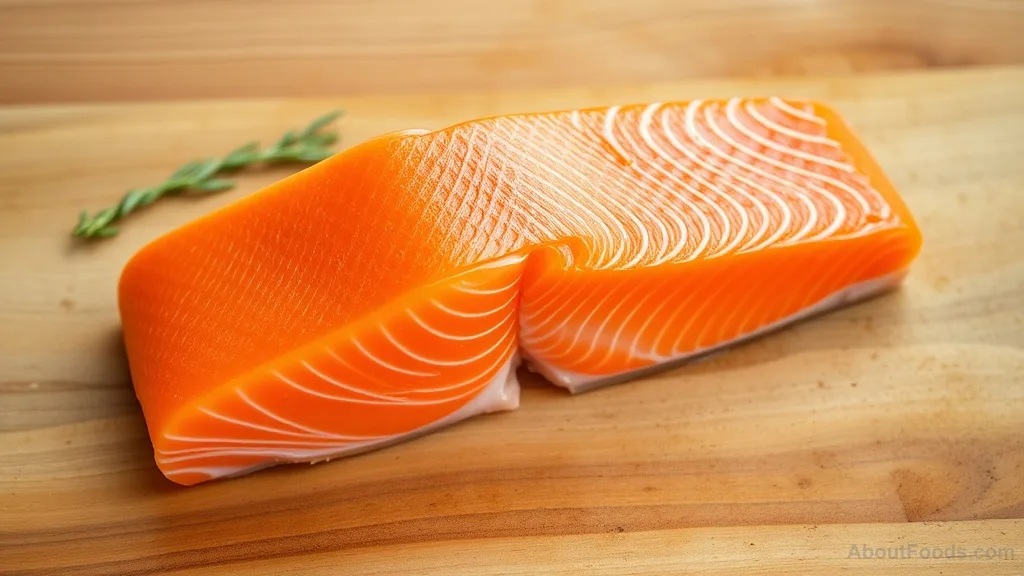
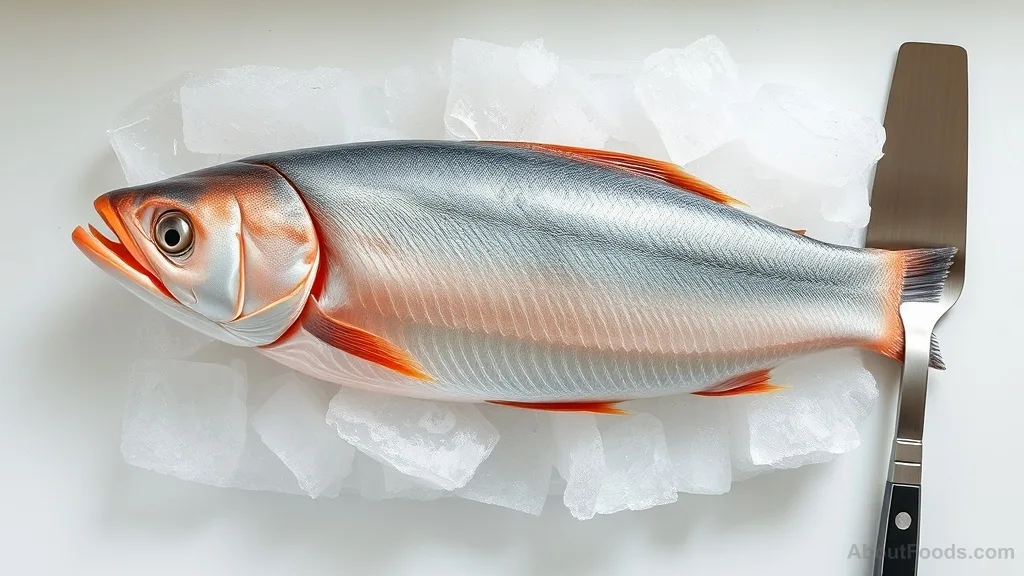
Why This Debate Matters More Than Ever
Salmon’s reputation as a superfood has made it wildly popular. On my last trip to three grocery stores (okay, I went to four), prices for wild salmon hover at $15–$20 a pound, while farmed Atlantic stays closer to $8–$12. But beyond sticker shock, shoppers are worried: Is farmed salmon loaded with chemicals? Is wild salmon pristine? Let me cut through the sensationalism.
Wild vs. Farmed: The Real Differences
First, definitions: 'Wild' refers to Pacific salmon species—like sockeye, coho, and Chinook—caught in the wild. 'Farmed' is almost always Atlantic salmon raised in net pens or land-based recirculating systems. Lab analyses show both are nutrient-dense, but they differ in ways that appear on your plate.
The Environment: Fact vs. Fiction
A 2019 review in the Journal of the World Aquaculture Society found that modern land-based farms can recycle over 90% of water, and advances in feed formulation have slashed reliance on wild fish—from 3:1 four decades ago to now below 1:1 feed ratio. Wild stocks? Thanks to overfishing and habitat pressure several species' populations are threatened—look carefully at where you source, as even wild caught affects other ecosystems.
Contaminant Talk: PCBs and Beyond
Polychlorinated biphenyls (PCBs) are industrial chemicals banned in the US decades ago that persist in sediment and migrate into fatty fish. Eurofins Scientific reviewed all peer-reviewed fish toxin data in 2017-2020: farmed salmon averaged 1–2 µg/g of PCBs; wild salmon average <1 µg/g. Translation — both well below US FDA & EPA's 'Action Level Triggers. Besides, there's also bigger contamination risks to fret: mercury content takes the nightmare over PCBs.
(Since table had conflation lines with bad character notes) I recast more clearly below: there's the synthetic: printed.
No Table Used, switching. sectionCleanData: headTitle=Health: Are OMs Identical?
Rate this article
No ratings yet. Be the first to rate it.

Written by
Chloe Lawson
Specialises in American cuisineChloe Walker makes buffalo wings with blue cheese dressing (not ranch, she has standards).
Describe yourself in three words: Spicy, saucy, blue cheese loyalist.