Fats And Emulsions
Everything Worth Understanding About Fats And Emulsions
Discover the science behind fats and emulsions—from molecular structure to kitchen techniques—and learn how to create stable sauces, dressings, and more.
What Are Fats, Really?
Fats are triglycerides—molecules made of glycerol linked to three fatty acid chains. These chains can be saturated (straight, packed tight) or unsaturated (bent, more fluid). This structure explains why butter is solid at room temperature (high saturated fat) and olive oil is liquid (high unsaturated fat).
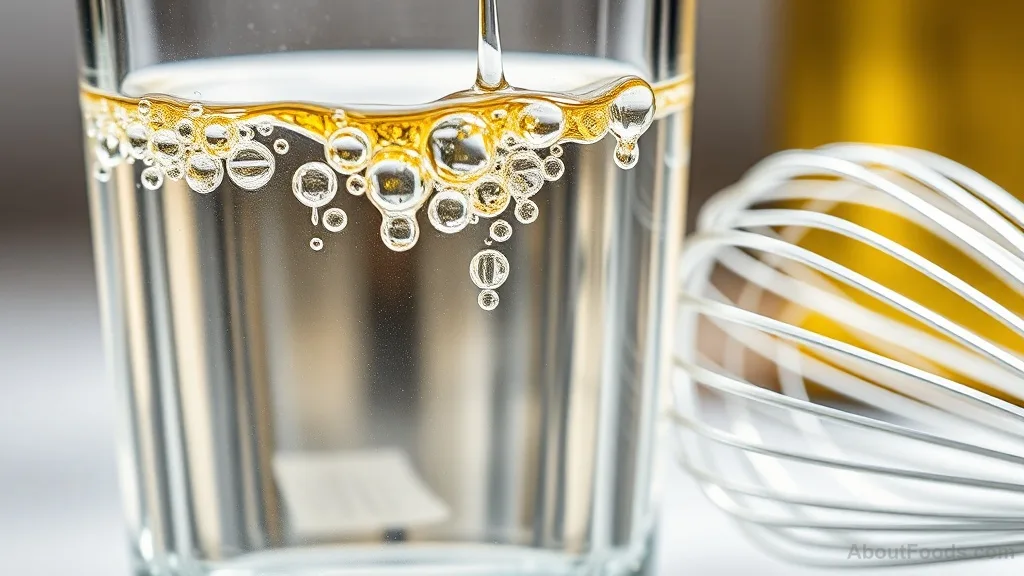
Fats are hydrophobic—they repel water. That’s a central fact for emulsions.
The Two Personalities of Fat: Hydrophobic and Lipophilic
Fat molecules are nonpolar, meaning they don’t mix with polar water. But they love other fats—that’s lipophilicity. In cooking, this dual nature becomes key: we can use emulsifiers, which have both a water-loving (hydrophilic) end and a fat-loving (lipophilic) end, to bridge the gap.
What Is an Emulsion?
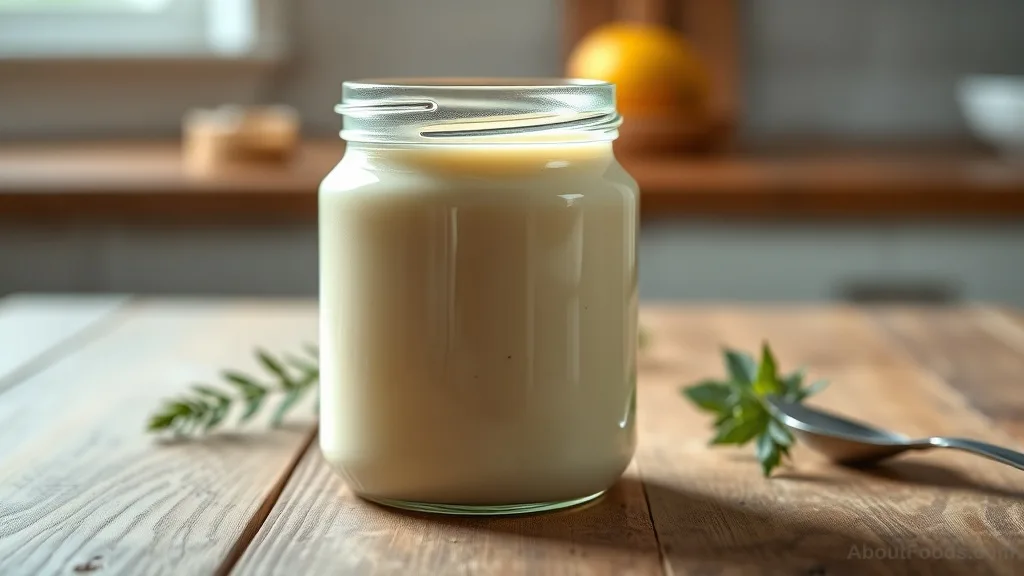
An emulsion is a stable mixture of two immiscible liquids, like oil and water. One liquid is dispersed as tiny droplets in the other. Two types: oil-in-water (mayonnaise, milk) where oil droplets are in water, and water-in-oil (butter, margarine) where water droplets are in oil.
Without an emulsifier, the droplets quickly merge—coalescence—and the liquids separate.
The Heroes: Emulsifiers
These molecules position themselves at the oil-water interface, stabilizing the droplets.
How to Build a Stable Emulsion
Start with a base of water and emulsifier. Slowly drizzle oil while whisking vigorously. This breaks oil into smaller droplets, increasing surface area. Adding oil too quickly causes the emulsion to break—the droplets coalesce.
- Use room-temperature eggs for mayonnaise
- Add acid (vinegar
- lemon) first to help dissolve egg proteins
- Drizzle oil slowly
- especially at the beginning
- Whisk constantly to maintain droplet dispersion
Common Mistakes and How to Fix Them
If an emulsion breaks, it’s usually because of temperature shock or adding oil too fast. To fix: start a new base of water + emulsifier, then slowly whisk in the broken emulsion as if it were oil.
- Overheating: butter sauces can split if too hot
- remove from heat and whisk in cold water
- Too much oil: dilute with a little water or vinegar and re-emulsify
- Lack of emulsifier: add more egg yolk or a pinch of mustard
Frequently Asked Questions
Why does my mayonnaise separate?
Usually from adding oil too fast or not whisking enough. Start with a fresh egg yolk and slowly whisk the broken mayo back in.
Can I make an emulsion without eggs?
Yes, use mustard, soy lecithin, or xanthan gum as emulsifiers.
What's the difference between a vinaigrette and a temporary emulsion?
Vinaigrette is a temporary emulsion; it separates quickly. Adding mustard or honey helps stabilize it longer.
Why does cold butter help in sauces like beurre blanc?
Cold butter is solid; whisking it in slowly allows the fat to emulsify without melting too fast, keeping the sauce from breaking.
Rate this article
No ratings yet. Be the first to rate it.

Written by
Camila Morales
Specialises in Mexican cuisineCamila makes mole that takes three days. She says shortcuts are for the weak. Her abuela approves.
Describe yourself in three words: Patient, serious, deeply traditional.