Baking And Dough
When Baking and Dough Helps and When It Hurts Your Recipe
Baking develops flavor and structure in doughs and batters, but excessive heat or duration can ruin your recipe. Learn the science behind optimal baking and when to step away from the oven.
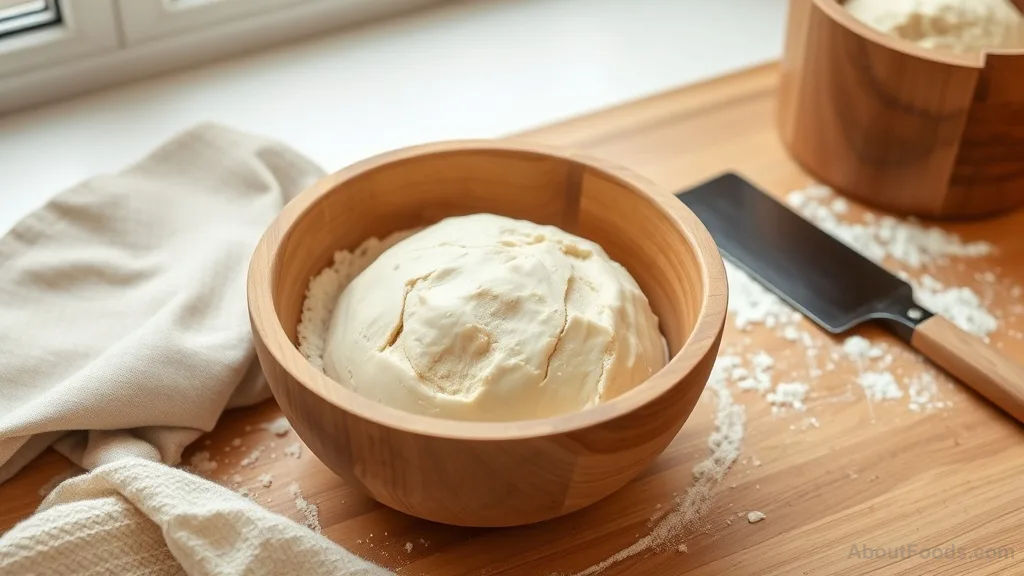
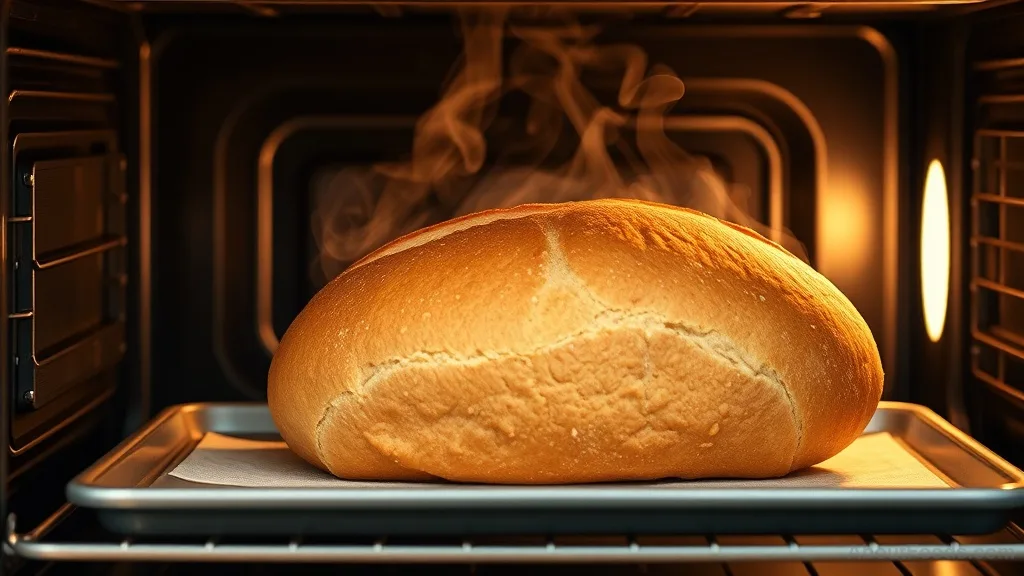
The Many Roles of Heat in Baking
When you slide a tray of dough into the oven, you’re setting off a series of scientific reactions that transform a sticky, pliable mass into a flavorful, structured loaf. Baking enables the Maillard reaction, caramelization, starch gelatinization, protein coagulation, and gas expansion, each contributing to texture and taste. But each of these responses has a sweet spot: too much heat or time and they turn from helpers into hurters.
- Maillard reaction creates browning and savory flavor
- but prolonged heat can make it bitter (burnt).
- Starch gelatinization thickens and sets the structure
- but over-gelatinization can cause excess moisture loss.
- Protein coagulation stabilizes the crumb
- but over-coagulation makes it tough.
When Baking Helps: The Happy Transformations
Proper baking triggers the Maillard reaction, where amino acids and reducing sugars combine at temperatures above 285°F (140°C) to create hundreds of flavor and aroma compounds. This is what gives bread its complex, toasty notes and deep brown crust. Meanwhile, water combines with starch granules; at around 140°F (60°C), granules swell and burst, releasing starch molecules that absorb water and thicken the batter. At the same time, proteins like gluten and egg whites coagulate (set), trapping air cells and CO2 for a fixed structure.
These processes are essential for doneness. You know baking helps when the internal temperature of enriched doughs reaches around 190°F (88°C) and lean breads hit 200–210°F (93–99°C). At this point, the crumb is set, starches are gelatinized, and the crust has a solid golden color.
| Doneness Indicator | Optimal Range | What It Shows |
|---|---|---|
| Internal temperature (bread) | 190–210°F (88–99°C) | Starch gelatinization complete |
| Crust color | Golden to light brown | Maillard, not burnt |
| Tap-test sound | Hollow when thumped | Bubbles set; structure fixed |
When Baking Hurts: The Science of Overbaking
Ever pulled a loaf from the oven only to find a rock-hard crust and a parched, crumbly interior? That’s overbaking — the point where helpful reactions have peaked and entered negative territory. Once starches fully gelatinize, continued heat drives off moisture from the crumb, even as the crust browns further. The residual water inside escapes so there’s less steam to keep the texture tender. Overbaked bread often has a darker (almost black) crust and a dense, dry interior.
- Bitter-tasting crust from advanced Maillard creating acrylamide.
- Crumb that is either dry or gummy (gumminess happens when starches revert or recrystallize prematurely).
- Shrinkage or large cracks as outer crust sets before interior is fully expanded.
Over-heating can cause carbonization, which makes food unpalatable and possibly carcinogenic. Water activity also matters: overbaked goods spoil slower, but that bone-dry texture rarely wins fans.
Applying the Science: Tips for Knowing the Sweet Spot
Use a reliable oven thermometer — dials can be off by up to 50°F (28°C). Always preheat and allow time for the oven to stabilize. Check doneness by color and temperature rather than feel: press lightly — if the crust springs back, it’s usually done. But the most precise way: insert a probe thermometer into the center of the loaf; once it reads the target temp (190–200°F for most breads, 205–210°F for more open crumbs in sourdough), pull it out.
Not all doughs benefit from the same baking duration. High-fat doughs (brioche) can withstand longer because fat retards gluten formation and promotes tenderness. Lean baguettes bake faster so the interior doesn’t lose too much water. Know your ingredients and their moisture requirements.
- Use a probe thermometer for center temperature (invest one gift-quality unit).
- Rotate pans halfway to avoid hot spots.
- Add steam for the first 10 minutes (spray water or put a tray at the bottom) to sustain a less crust over-browning.
Recipe Considerations: Ingredient and Dough Variables
The type of sugar, fat, and leavener influences how fast and to what extent the baking progresses. Breads with milk (lactose) brown faster than those without. Whole grains behave differently – they absorb more water but also have more micronutrients that kickstart Maillard earlier. A dash of acidity (like buttermilk or vinegared dough) lowers pH and reduces browning due to less free amino groups for Maillard.
- Higher sugar speeds browning but increases risk of burning near edges.
- "Thicker" dough (stiffer) will need more time to reach center temperature than shapeless batters.
- Use less if you need more baking time for a jumbo muffin that's bigger than life.
Heat penetrates dough shapes differently – a thick, artisan loaf will retain internal heat longer after being pulled from the oven. Count on carryover cooking of about 5°F (3°C) post-oven. Removing it a tad early doesn’t result in underbaking if you rest properly.
FAQ: Common Baking & Dough Questions
Rate this article
No ratings yet. Be the first to rate it.

Written by
Nina Reyes
Specialises in Asian Fusion cuisineNina is a meticulous fusion cook who makes miso carbonara balanced enough to bring a tear to your eye.
Describe yourself in three words: Calm, precise, secretly competitive.