Browning Reactions
When Browning Reactions Help and When They Hurt Your Recipe
Browning makes food taste amazing—but it's not always your friend. Learn when to embrace Maillard and caramelization, and when they'll ruin your dish.
Why Browning Makes Food Taste Amazing — Until It Doesn't
I remember the first time I tried to make caramel. I was so excited, watching the sugar melt and turn that beautiful golden color. Twenty seconds later, it was black. And bitter. And I wanted to cry. That's the thing about browning reactions — they're both the best and worst things that can happen in your kitchen. Let me show you how to befriend them.
The Two Types of Browning: Maillard vs. Caramelization
First, know your enemy. There are two main browning reactions, and they're not the same.
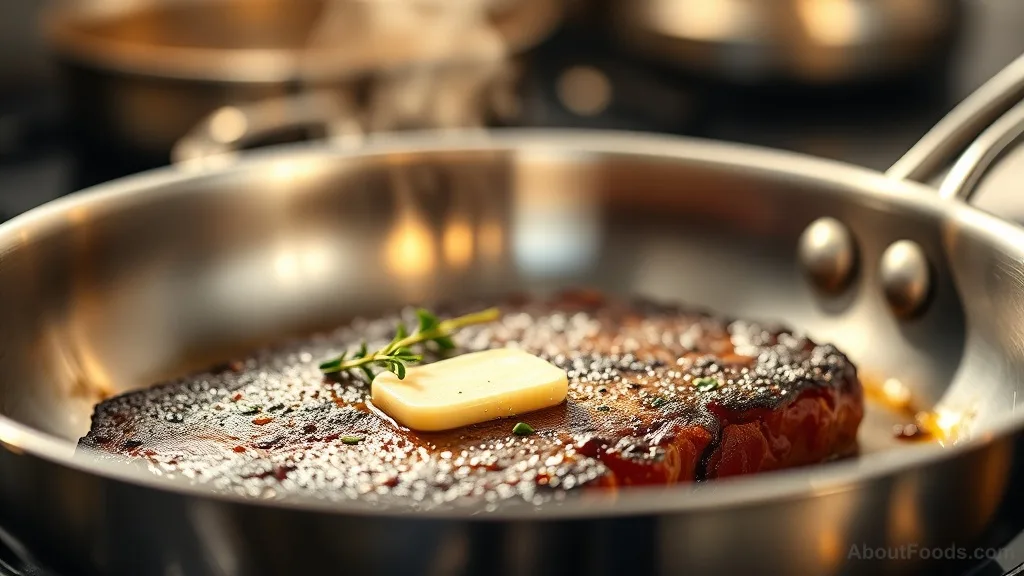
The Maillard reaction is what gives seared meat its crust and toasted bread its flavor. Caramelization is pure sugar transformation — think crème brûlée topping or caramelized bananas. Both are great, but they have very different personalities. Maillard is about aroma and savory depth; caramelization is about sweetness and color.
When Browning Helps: The Good Stuff
Browning creates hundreds of flavor compounds that would never exist in raw or boiled food. That's why a steak tastes better seared, bread better toasted, and vegetables better roasted. Here's where to always invite browning in.
- Searing meat: locks in juices? Actually
- no. But it creates a crust full of flavor that we love. Brown the surface
- not the whole steak.
- Roasting vegetables: high heat (425°F+)
- a little oil
- and some space in the pan. No crowding! Steam is the enemy of browning.
- Baking bread: the golden crust is Maillard from the amino acids and sugars in the flour. Brush with milk or egg for more browning.
- Sautéing onions: low and slow caramelization (45+ minutes) produces sweetness
When Browning Hurts: The Bad Stuff
But browning isn't always a friend. In some dishes, it can add bitterness, ruin texture, or even create unwanted compounds. Here's when to hold back.
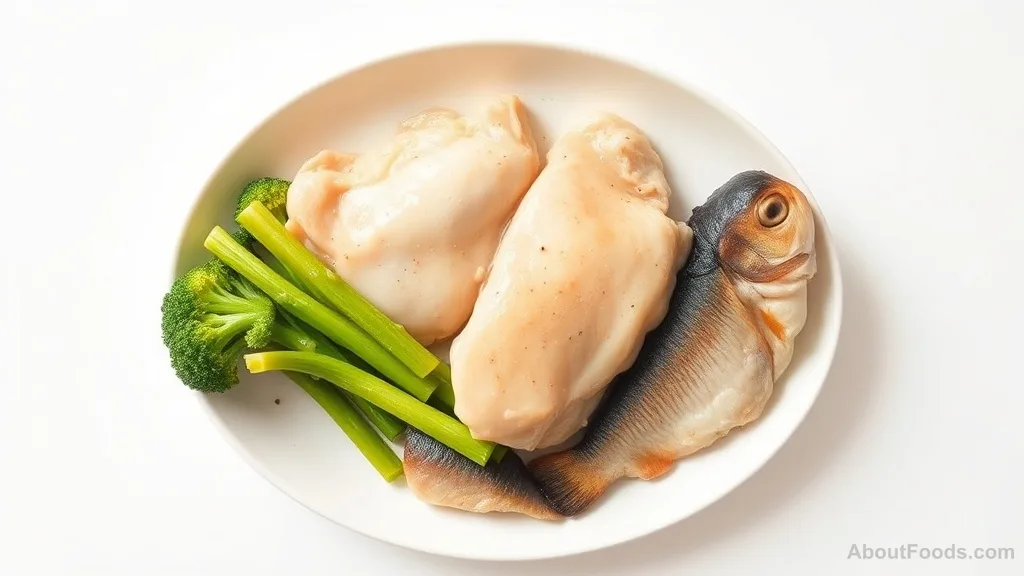
The most common mistake? Thinking more browning is always better. It's not. A beautifully pale poached fish has its own elegance. A golden, not burnt, sugar sauce shows restraint. Learn to stop at 'done,' not 'possible.'.
How Temperature Control Saves Your Dish
The biggest trigger for bad browning is temperature. Maillard starts around 280°F, caramelization around 320°F. If your pan is too hot (like 500°F), you'll cross from perfect to burnt in seconds. Here's a cheat sheet.
Practical Tips: Avoid Common Browning Mistakes
- Don't crowd the pan: when pieces touch
- they steam instead of brown. Leave space.
- Dry food before browning: moisture must evaporate first
- delaying browning and making you crank up heat.
- Use the right fat: butter burns
- ghee and oils don't (use avocado or peanut oil for high heat).
- Add a pinch of baking soda for faster browning: it raises pH
- speeding Maillard
When to Just Say No to Browning
Some dishes are built on purity and clarity. For these, browning would be a disaster.
- White stock or consommé: must stay clear and pale
- brown = off-flavor.
- Light sauces (velouté
- beurre blanc): any dark color is a defect.
- Delicate seafood (scallops
- sole): a light golden is okay
- but dark brown is too much.
- Meringue: browning from heat turns it tan and can cause weeping
And of course, never brown garlic or herbs that are meant to stay fresh and aromatic. Add them at the end.
Frequently Asked Questions
Is browning the same as caramelization?
No. Caramelization is browning of sugar only; Maillard reaction involves sugars and amino acids. Caramelization starts at slightly higher temperatures and produces different flavors.
What temperature does the Maillard reaction start?
Around 280°F (140°C), but it's slow. Optimal range is 300–350°F for good flavor without burning. Above 350°F, it goes faster but also risks burning.
Can I brown food without oil?
You need some fat to conduct heat and prevent sticking. Oil also helps with even browning. But you can brown in a dry pan if the food releases fat (e.g., bacon).
How do I stop browning once it's done?
Remove from heat immediately. Transfer to a cool surface or add liquid to stop cooking. For caramel, dip the pan in cold water to halt the reaction.
The Bottom Line
Browning reactions are your best friends for depth, flavor, and aroma. But they can also be your worst enemy when you're after a clean, fresh taste. Know your goal. Control your heat. And when you see that first wisp of smoke, you have about 10 seconds to make a decision. You got this — I believe in you.
Rate this article
No ratings yet. Be the first to rate it.
Written by
Mei Wu
Specialises in Chinese cuisineMei is a cautious perfectionist who makes delicate soup dumplings and has no patience for ruined brownies.
Describe yourself in three words: Anxious, caring, slightly exasperated.