Fats And Emulsions
When Fats and Emulsions Help and When They Hurt Your Recipe
Fats and emulsions can elevate a dish or ruin it. Learn the science behind why they work in some recipes but fail in others, with practical tips to control texture, stability, and flavor.
What Are Fats and Emulsions, and Why Do They Matter?
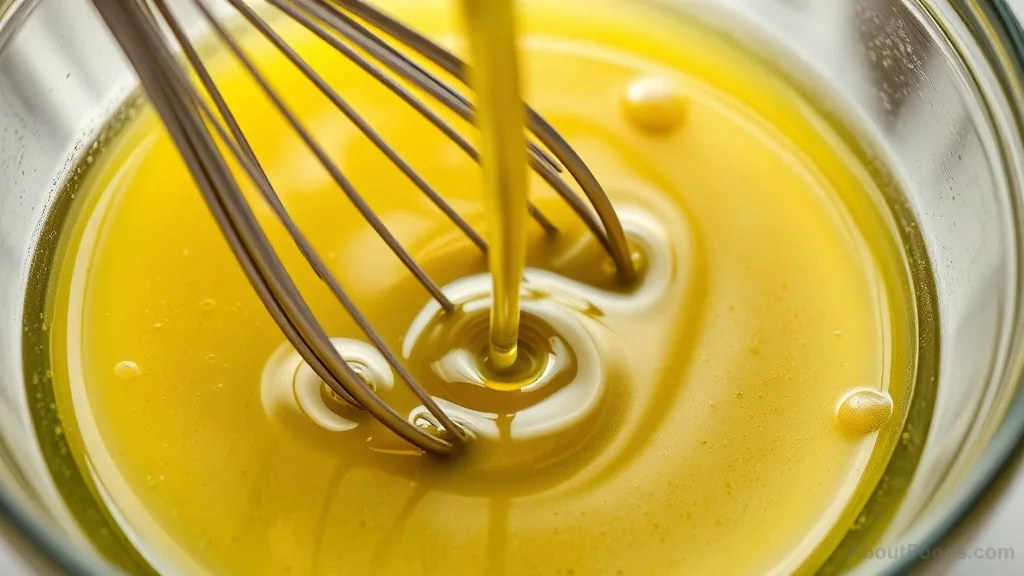
Fats are not just flavor—they're structure. In cooking, fats coat proteins, trap air, conduct heat, and carry aroma. An emulsion is a stable mixture of two liquids that normally don't mix, like oil and water. Mayonnaise, hollandaise, vinaigrettes, and even some sauces owe their creamy texture to emulsions. But when emulsions break, they become a greasy mess. When fats are overused or misapplied, they can smother flavor or ruin a batter. Knowing when to invite fat to the party—and when to keep it out—makes the difference between a cook and a chef.
How Emulsions Work: The Science of Temporary Magic
Emulsions rely on an emulsifier—a molecule with a water-loving (hydrophilic) head and a fat-loving (lipophilic) tail. Egg yolks contain lecithin, a powerful emulsifier. Mustard, garlic paste, and even some proteins can also help. When you whisk oil into vinegar drop by drop, the emulsifier surrounds the tiny oil droplets, keeping them suspended in the water-based liquid. The result: a thick, stable sauce. But push it too far—add oil too fast, let it get too hot, or use the wrong ratio—and the emulsion breaks.
When Fats Help Your Recipe
Fats do more than just moisturize your cake. In baking, fat cuts gluten strands, creating tender pastry. In searing, fat transfers heat efficiently and helps develop a crunchy crust. In sauces, fat carries fat-soluble flavor compounds from spices and herbs. Here's where fats shine:.
- Tenderizing baked goods: Butter or oil in cakes prevents gluten from forming tough networks
- giving a soft crumb.
- Emulsified sauces: Hollandaise
- aioli
- and vinaigrette are beautiful when stable
- enriching the palate while maintaining pourability.
- Conduction heat: Shallow-frying in oil creates even heating
- promoting uniform browning.
When Fats Hurt Your Recipe
Fat can turn against you. It can make your cake greasy, your sauce split, your salad feel heavy. The problem often comes down to overuse, temperature shock, or missing emulsifiers. Common pitfalls:.
- Broken emulsion: When a sauce like mayonnaise or hollandaise separates
- it becomes oily and unattractive.
- Soggy pastry: Too much fat or insufficient mixing creates a water-impermeable layer that blocks steam
- leading to a heavy crust.
- Cloudy consommé or stock: Excess fat emulsified into a clear broth makes it murky and greasy.
- Butter in a puree: Overworking hot potato with butter can break the emulsion
- releasing water that turns the puree gluey.
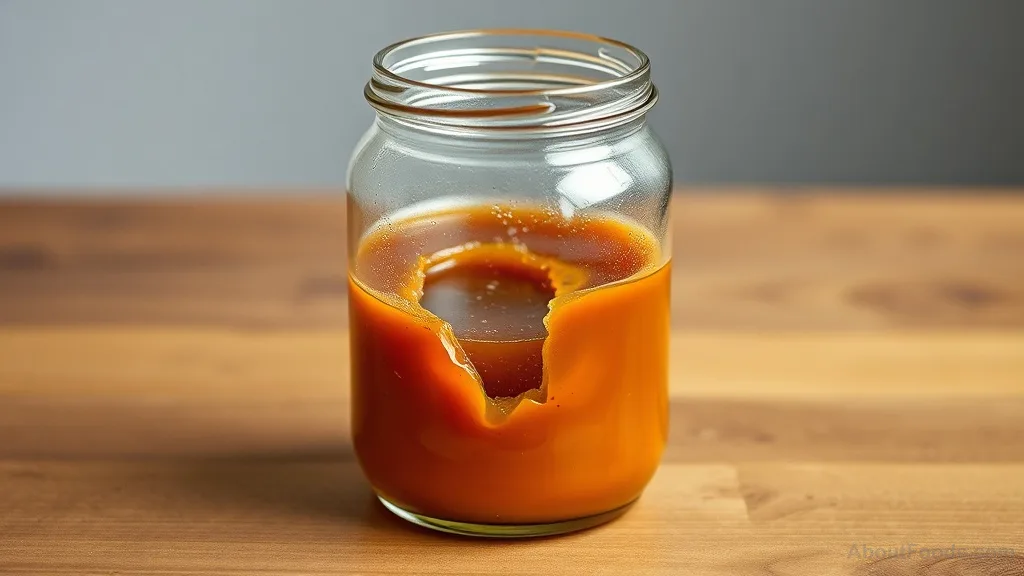
A broken emulsion is the most obvious failure. It happens when the oil droplets coalesce, often due to rapid addition of oil, too high temperature, or lack of sufficient stabilizer. As a mysterious Mexican cook once told me: 'You must court the fat, not attack it.'.
Common Factors That Break Emulsions
When an Emulsion Breaks: Rescue or Rethink?
A broken sauce doesn't always mean disaster. For temperature-broken emulsions, try a rescue: Start a new yolk or a teaspoon of mustard, then whisk the split sauce in slowly. For cold emulsions like vinaigrette, whisk in an ice cube (yes, really) to shock fat back into suspension briefly. But sometimes, you must embrace the separation. A broken sauce can be repurposed: use the greasy liquid as a marinade base or stir it into soupy braises for added richness. Knowing when to save and when to discard comes with experience—and a bit of bravery.
The Golden Rules of Fat Management
Frequently Asked Questions
Conclusion: Court the Fat, Don't Fight It
Fats and emulsions are like hot coals in a fire; they must be tended. Too little and the fire dies; too much and it smothers. The home cook who respects the fat—who drizzles slowly, creams gently, and separates with care—makes sauces that sing and cakes that melt. The science is simple: Fat helps when it's well-integrated, and hurts when it's dominant or unstable. Trust your instincts, watch your temperature, and always have a whisk or a fresh egg yolk on emergency standby. With a little practice, you will go from fearing the split to cooking fearlessly.
Rate this article
No ratings yet. Be the first to rate it.

Written by
Diego Garcia
Specialises in Mexican cuisineDiego is a taquero who uses a secret salsa roja that involves dried chiles he grows himself. He is a local legend.
Describe yourself in three words: Mysterious, proud, spicy.