Fermentation
When Fermentation Helps and When It Hurts Your Recipe
Fermentation can elevate flavors, improve texture, and boost shelf life, but if conditions go wrong, it can ruin your dish. Learn which fermentations are worth the risk and how to avoid the most common pitfalls.
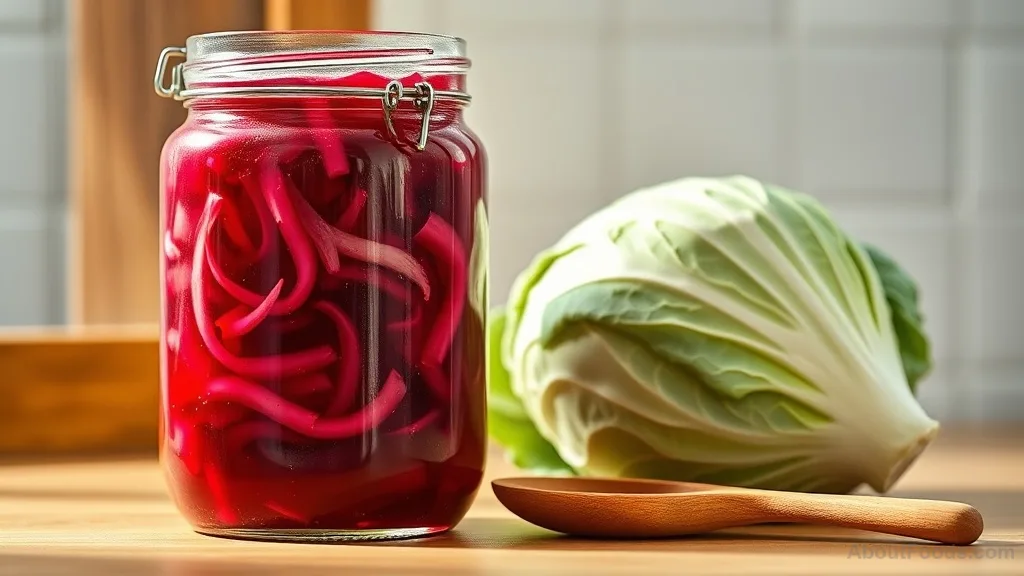
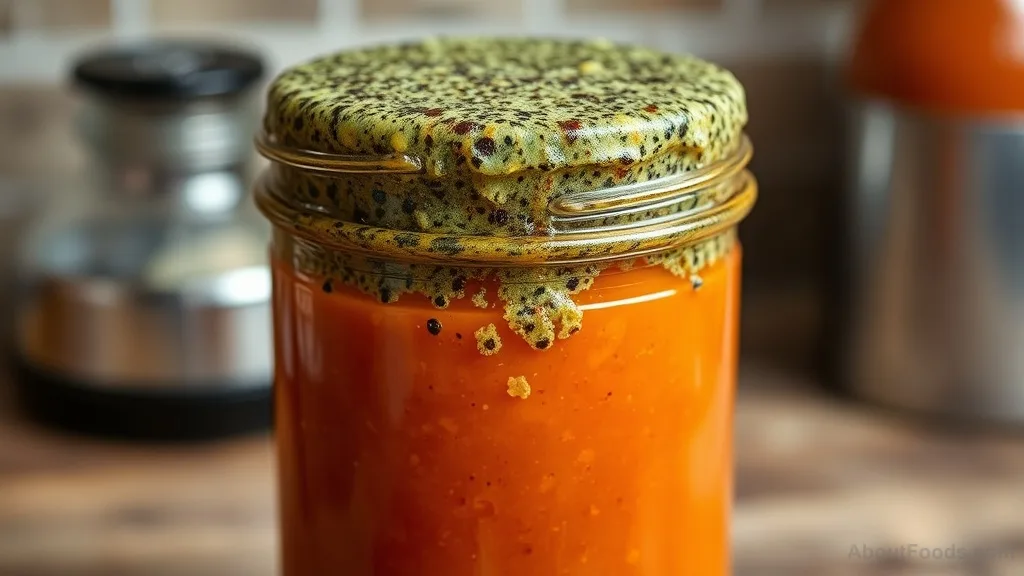
When Fermentation Is Your Best Friend
Fermentation is one of the oldest kitchen sciences. Controlled for the right temperature, salt level, and time, it creates bold new flavors, extends shelf life, and even makes ingredients more digestible. Lactic acid fermentation—think sauerkraut, kimchi, and sour pickles—is especially forgiving. As long as you keep vegetables submerged under brine, good bacteria (Lactobacillus) crowd out harmful ones. The result is a tangy, probiotic-rich condiment that lasts for months.
Yeast-driven fermentations—such as sourdough and kombucha—rely on a different microbial team. In sourdough, wild yeast and lactic acid bacteria work together: yeast produces carbon dioxide for rise, while bacteria create tangy acids that also help preserve the bread. Here, hydration and feeding schedules matter. A mature, balanced starter can leaven bread beautifully, giving complex flavor that no commercial yeast can match.
When Fermentation Can Hurt Your Recipe
Kitchen science can turn punishing quickly. The biggest danger is contamination by mold, yeast overgrowth, or pathogenic bacteria. These thrive when: salt is too low (especially for vegetable ferments), temperature is inconsistent (room temp in the hot 30°C can favor mold over lactic acid bacteria), or oxygen sneaks in. Signs of trouble include fuzzy spots—green, black, or white—or a distinct rotten/ammonia smell. At first sign, toss it.
Fermentation also physically affects ingredients for better or worse. Over-fermenting sourdough dough makes it sloppy, weak, and overwhelmingly tangy. Leave kimchi too long at room temperature and it will become mushy, overly sour, or even unpalatable. Temperatures above 22°C (72°F) often speed fermentation beyond your control, producing harsh acids and sourness.
Quick Safety and Quality Checks
Striking the Right Balance
Your most important tools are a kitchen scale and a cooler spot (around 18–21°C). For vegetables, stick to a baseline of 2–3% salt by weight of the vegetables and water. Use a proper weight or bag of brine to keep everything submerged. For sourdough starter, maintain a 1:1:1 ratio (starter:flour:water) at stable room temp and feed daily. Patience without negligence is essential.
- Start with simple
- high-moisture vegetables: cabbage for sauerkraut
- cucumbers in brine for pickles.
- Keep your equipment impeccably clean — sterilization isn't necessary but sanitization matters.
- Log your ferments: date
- salt%
- room temp
- weight on top.
Fermentation is a collaboration between you and microscopic life. If you respect the environment—salt, temperature, and submersion—you get depths of flavor that simmered sauces can't imitate. But if you rush or ignore warning signs, it can make your harvest toxic. Treat it like fire in the kitchen: warm and beneficial under your control, dangerous once it escapes.
FAQ: Common Fermentation Questions
Rate this article
No ratings yet. Be the first to rate it.

Written by
Aisha Ismail
Specialises in Malaysian cuisineAisha is a nasi lemak specialist who renders her own coconut milk. She once cried when a reviewer asked for less sambal.
Describe yourself in three words: Sensitive, perfectionist, fiery sambal.