Heat And Temperature
When Heat and Temperature Helps and When It Hurts Your Recipe
Heat transforms raw ingredients into something delicious—or ruins them. Learn how temperature impacts flavor, texture, and structure, and discover when to turn up the heat and when to keep it cool.
Why Heat Matters in the Kitchen
I remember watching my grandmother in Marrakech: she never used a thermometer. She placed her hand over the tagine, felt the warmth rise, and knew exactly when to lower the flame. That patience—and respect for heat—is the secret behind every great dish. Heat is the invisible hand that builds crust, softens fibers, blooms spices, and sometimes burns everything. In this guide, I’ll walk you through when heat is your best friend and when it can turn against you.
High Heat: The Browning Reaction (Maillard & Caramelization)
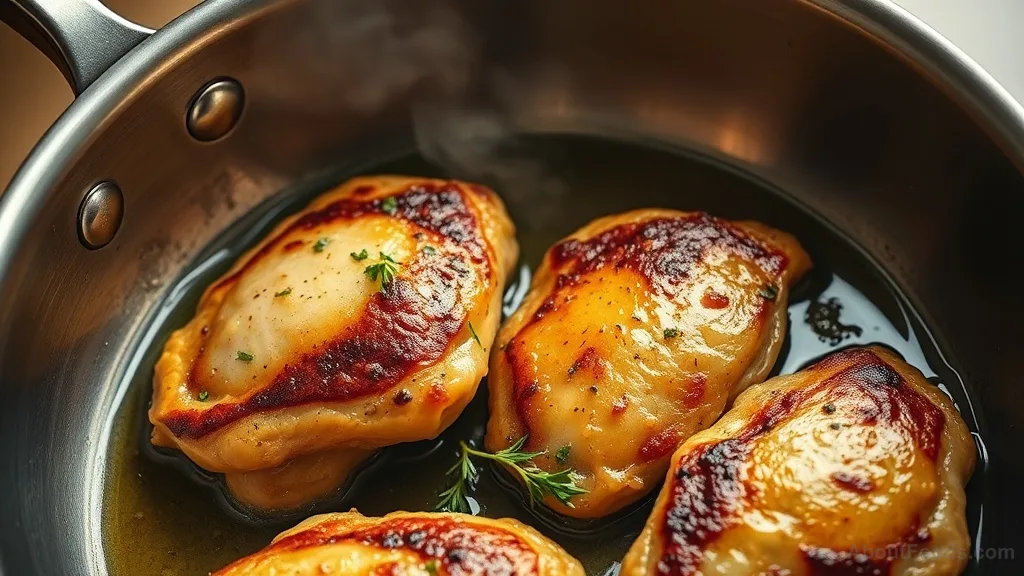
The Maillard reaction—named after the French chemist Louis-Camille Maillard—is the chemical dance between amino acids and reducing sugars that happens above 140°C (284°F). It creates hundreds of flavor compounds, giving seared meat its savory crust and toast its nutty aroma. Caramelization, on the other hand, is the pure browning of sugars starting around 160°C (320°F). Both are desirable, but they require precise heat.
| Reaction | Temperature Range | What It Creates |
|---|---|---|
| Maillard | 140–165°C (284–329°F) | Savory, roasted flavors, brown color |
| Caramelization | 160–180°C (320–356°F) | Sweet, nutty, buttery notes, amber color |
High heat is essential, but it must be controlled. If the pan is too hot, the outside burns before the inside cooks. The fix? Use an oil with a high smoke point (like avocado or grapeseed), and don’t crowd the pan—crowding lowers the temperature and steams the food instead of browning it.
Low and Slow: When Gentle Heat Prevails
For tough cuts of meat (brisket, lamb shoulder, beef chuck) or for breaking down collagen into gelatin, you need low heat—around 80–95°C (175–203°F) if braising in liquid or 120–150°C (250–300°F) in the oven. Patience here is not optional. Collagen, a connective tissue, begins to melt at around 60°C (140°F) but needs time and moisture to fully convert. Rushing with high heat leaves you with chewy, dry meat.
- Braising: simmer liquid below a boil (gentle bubbles)
- covered.
- Slow roasting: oven at 120°C (250°F) for larger cuts ensures even cooking.
- Sous vide: precision at 55–85°C (131–185°F) for perfectly tender proteins.
Low heat also protects delicate emulsions like hollandaise or a butter sauce. Above 82°C (180°F), the emulsion can break because the proteins denature and lose their ability to hold fat and water together.
Temperature and Protein Structure: How Heat Changes Meat, Eggs, and Fish
Proteins are long chains of amino acids folded into specific shapes. Heat disrupts these folds—a process called denaturation—and then they coagulate, squeezing out moisture. For eggs, that means runny to firm. For meat, it changes texture from raw to tough to tender (if collagen breaks). Here’s a quick reference for common proteins:.
| Protein | Target Internal Temp | Result | Heat Danger Zone |
|---|---|---|---|
| Chicken breast | 74°C (165°F) | Juicy, safe | Above 74°C: dry and stringy |
| Beef steak (medium-rare) | 52–55°C (126–130°F) | Tender, pink center | Over 70°C: well-done, tough |
| Egg (poached) | 63°C (145°F) | Firm whites, runny yolk | Above 70°C: rubbery |
| Fish (salmon) | 52–55°C (126–130°F) | Moist, flaky | Over 60°C: dry, chalky |
A simple rule: for tender results, cook to the minimum safe temperature, then rest. Resting allows carryover cooking and reabsorption of juices.
Baking: The Delicate Balance of Heat in Doughs and Batters
In baking, heat not only browns but also sets structure. Bread needs high initial heat (220°C / 430°F) to spring in the oven (oven spring) from steam expansion and yeast activity. Cakes are more moderate at 175°C (350°F) to allow the batter to set evenly without burning the outside. Cookies need 190°C (375°F) for crispy edges but chewy centers. A too-hot oven can scorch the sugar before the center cooks; too low and your baked goods spread too much or become dense.
Room temperature is also an ingredient: if your butter or eggs are cold, the final batter temperature will be low, slowing emulsification. Dough that is too cold won’t proof properly; too warm and yeast over-produces gas, collapsing the structure.
When Heat Hurts: Common Mistakes and How to Fix Them
Even experienced cooks make temperature errors. Here are three heat pitfalls I see most often:.
- Scorched seasonings: Garlic and delicate herbs burn quickly. Add them late or keep the heat low.
- Boiled instead of simmered: When braising
- a rolling boil toughens meat. Keep just a few lazy bubbles.
- Cold pan
- cold oil: Searing requires a hot pan first. Test with a drop of water—it should sizzle instantly.
If you burn something, don’t try to scrape it in—the bitter flavor will be transferred. Instead, deglaze with water or stock and taste. If it’s too bitter, start a new sauce. For an overly dry steak, slice thinly and serve with a pan sauce or compound butter to reintroduce moisture.
Frequently Asked Questions About Heat and Temperature
Rate this article
No ratings yet. Be the first to rate it.

Written by
Youssef Benali
Specialises in Moroccan cuisineYoussef makes tagine with preserved lemons he aged for 6 months. He is a patient man.
Describe yourself in three words: Patient, fragrant, lemon hands.