Ingredient Behaviour
When Ingredient Behaviour Helps and When It Hurts Your Recipe
Learn how ingredients like eggs, fats, acids, and starches behave in cooking—and how their interactions can either lift a dish or lead to disaster. This article explains the science behind common kitchen successes and failures, with practical tips for home cooks.
Introduction: The Dance of Ingredients
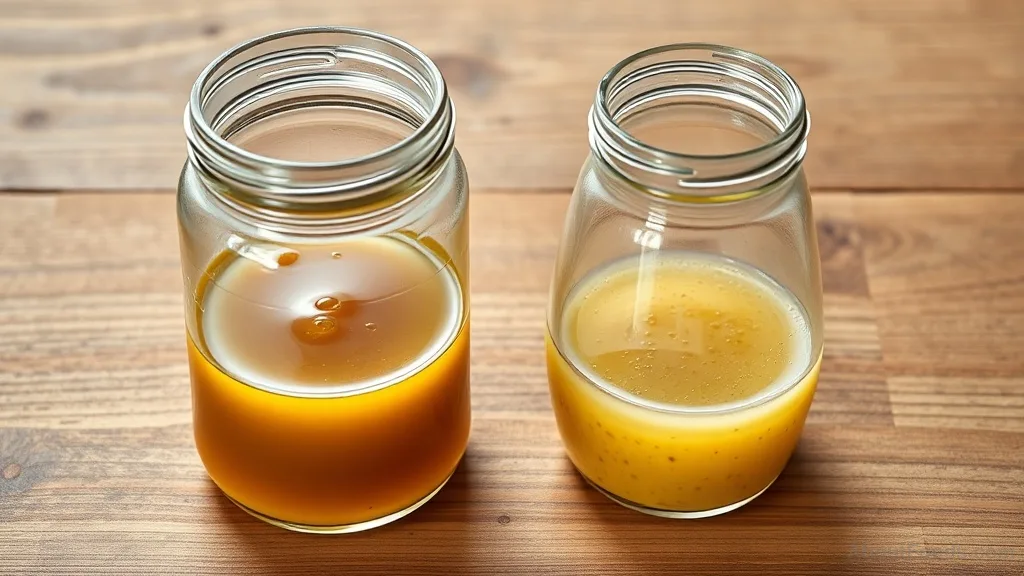
I remember the first time I made a proper vinaigrette—it was a revelation. The oil and vinegar, usually sworn enemies, became a creamy, unified dressing with a little mustard. Since then, I've learned that every ingredient has a personality, a set of behaviours that can either lift a dish or send it spiralling into failure. Understanding these behaviours is like learning the steps of a dance: when you know the moves, you can choreograph a beautiful meal.
The Delicate Egg: Emulsions and Curdling
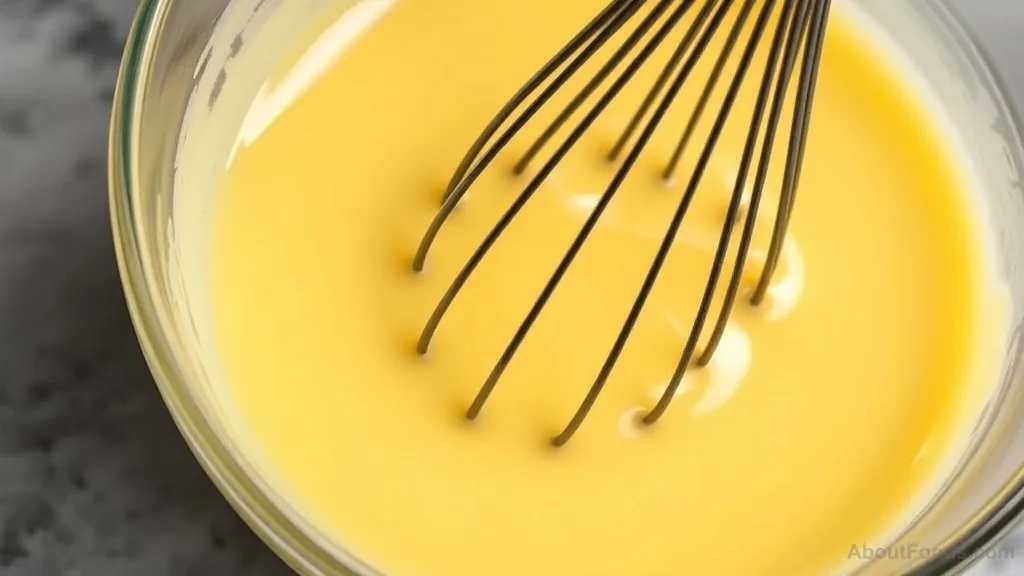
Eggs are the ultimate team players—they can thicken, emulsify, leaven, and bind. But they're also sensitive. When you add eggs to a hot liquid too quickly, the proteins can over-coagulate and you end up with sweet, scrambled pieces in your custard. The trick is to 'temper' the eggs: slowly whisk in a small amount of hot liquid to gently raise the egg's temperature before adding the whole mixture back. This way, the egg proteins unwind and set into a silky network instead of clumping.
Emulsions are where eggs truly shine. In a classic mayonnaise, egg yolk's lecithin acts as a bridge between oil and water, creating a stable sauce. But go too fast or add too much oil at once, and you'll break the emulsion. The fix? Start with a fresh egg yolk and slowly drizzle in the oil while whisking constantly. It's a slow dance, but worth it.
Fats: The Flavour Carriers That Can Weigh You Down
Fats are more than just a source of richness—they carry flavour, improve mouthfeel, and help with browning. But too much fat can make a sauce greasy or a cake dense. In pastry, cold butter creates flaky layers because it remains solid in the dough, creating steam pockets during baking. If the butter gets too warm, it blends into the flour, resulting in a tough crust instead of delicate layers.
In emulsions, the ratio of fat to water matters. A classic hollandaise has about one part butter to one part egg yolk liquid; go beyond that and you risk breaking the sauce. Keep your ingredients at similar temperatures—if the butter is too hot, it will scramble the eggs; too cold, it won't incorporate. Think of fat as a moody friend that needs careful handling.
Acids: The Zing That Can Curdle or Clarify
Acids like lemon juice, vinegar, and wine add brightness and balance. But they're also chemical agents that can denature proteins. When you add acid to milk or cream, it can cause curdling—useful in making paneer or buttermilk, but a disaster in a delicate cream sauce. To prevent curdling, add acid at the end of cooking or stabilise the sauce with starch.
On the flip side, acids can help tenderise meat by breaking down collagen, but overdone, they'll make the surface mushy. They also help preserve colour in fruits (like apples dipped in lemon water) and balance sweetness. Knowing your acid's strength is key—limes are more acidic than lemons, and distilled vinegar packs a punch.
Starches: The Thickeners That Need Heat
Starches from flour, cornstarch, arrowroot, or potatoes are the quiet backbone of sauces, puddings, and stews. But they need heat to swell (gelatinise) and thicken. If you add starch to cold liquid and then heat too quickly, you'll get lumps. The fix: make a slurry (mix starch with cold liquid), then add it to a simmering liquid, stirring constantly until it thickens.
Each starch has its personality. Cornstarch gives a clear, glossy finish but breaks down if overcooked. Flour is more stable but can taste raw if not cooked long enough. Arrowroot is neutral and freezes well. And potatoes—well, they're whole starches themselves. When cooking potato soup, too much stirring can break the starch granules, turning your soup into glue. Sometimes gentle is best.
Baking Soda vs. Baking Powder: The Gas Producers
Baking soda (sodium bicarbonate) needs an acid to react and produce carbon dioxide gas, which leavens baked goods. If you use it without enough acid, you'll get a soapy taste and flat, dense results. Baking powder contains its own acid, usually cream of tartar, so it works in neutral batters. But it loses potency over time—if it's older than a year, it may not give you the rise you want.
A common mistake is swapping one for the other without adjusting the recipe. If you substitute baking soda for powder, you need to add an acid (like buttermilk or vinegar). And remember: too much leavener creates large bubbles that collapse, leading to a dense crumb. Trust the recipe, but understand why it works.
Conclusion: Respect the Ingredient, Win the Dish
Cooking is a conversation with ingredients. When you listen—when you understand why egg yolks love oil, or why starch needs heat—you stop having kitchen disasters and start creating consistent successes. Every ingredient has a behaviour that can help or hurt. Learn the rules, and you'll know when to break them—and when to hold on tight.
Frequently Asked Questions
Why did my mayonnaise separate and how can I fix it?
Mayonnaise separates when the oil is added too quickly or the emulsion gets too hot. To fix, start with a fresh egg yolk in a clean bowl, and slowly whisk in the broken mayo as if you were adding oil to a new emulsion.
How do I keep cream-based sauces from curdling?
Use stabilisers like starch or reduce the heat. Add acid sparingly at the end, and avoid adding cold dairy to hot liquid—temper it first.
What is the difference between cornstarch and flour for thickening?
Cornstarch gives a clear, glossy finish and thickens at a lower temperature, but it can break down if overcooked. Flour has a higher thickening power per weight and is more stable, but it creates a cloudier sauce and needs to cook longer to avoid raw taste.
Can I substitute baking soda for baking powder?
Not directly. For every 1 teaspoon of baking powder, use 1/4 teaspoon baking soda plus 1/2 teaspoon cream of tartar (or an acid equivalent). Otherwise, you'll need to adjust the recipe's acid content.
Rate this article
No ratings yet. Be the first to rate it.

Written by
Linh Tran
Specialises in Vietnamese cuisineLinh Tran makes ca kho (caramelized fish) in a clay pot that has been in her family for 60 years.
Describe yourself in three words: Nostalgic, gentle, caramel smell.