Myth Busting
When Myth Busting Helps and When It Hurts Your Recipe
Debunking kitchen myths can improve your cooking—or lead to new mistakes. Learn when to challenge conventional wisdom and when to trust tradition for better results.
Why Myth Busting Matters
Every home cook has heard them: searing meat seals in juices, you must rinse pasta after cooking, or adding oil to pasta water prevents sticking. These kitchen myths are passed down like family heirlooms. But as food science becomes more accessible, we’re learning that many of these “rules” are not only wrong but can actually harm your cooking. However, not all myth busting is beneficial. Sometimes, challenging a technique without understanding the context leads to worse results. In this article, I’ll walk you through when it’s helpful to question tradition and when it’s better to leave well enough alone.
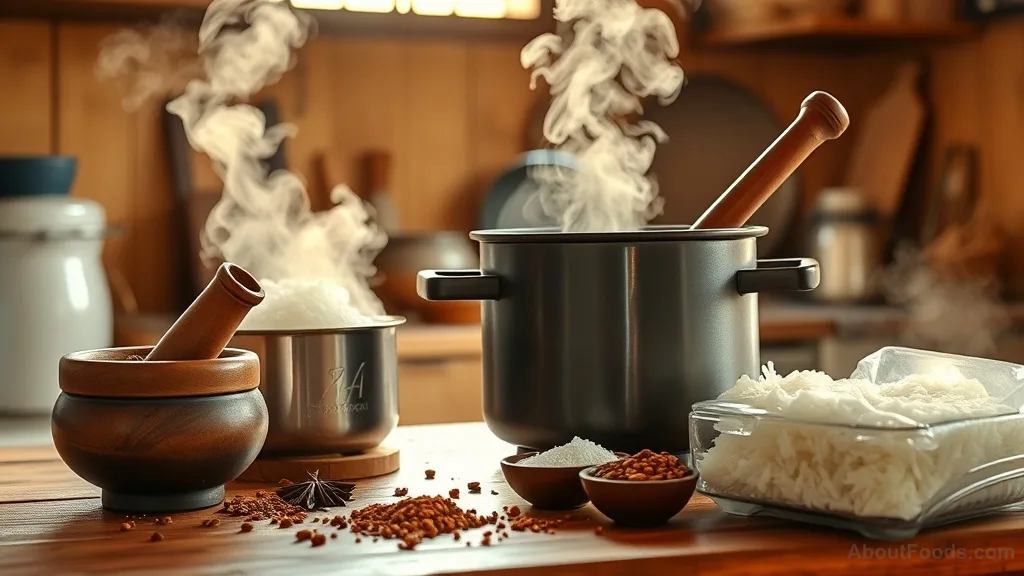
I approach this with the calm curiosity of someone who has spent hours in the kitchen, listening to the sizzle of spices and the quiet hum of a simmering pot. My background in Indonesian cooking, where tradition and science often dance together, has taught me that every technique has a reason—even if that reason isn’t always accurate.
When Myth Busting Helps: The Science of Searing
One of the most persistent myths in cooking is that searing meat “seals in the juices.” This idea has been debunked by food scientists for decades. Searing does not create an impermeable barrier; in fact, it can cause moisture loss if overcooked. What searing actually does is create complex browning through the Maillard reaction, which develops deep flavor. Busting this myth helps cooks focus on what matters: getting a good crust for taste, not for moisture retention. When you understand that the real purpose of searing is flavor, you can adjust your technique—like patting the meat dry and using high heat—rather than worrying about juice loss.
This is a clear case where myth busting improves your recipe. By letting go of the “seal in juices” idea, you can achieve better browning and more delicious results.
When Myth Busting Hurts: The Salt Timing Debate
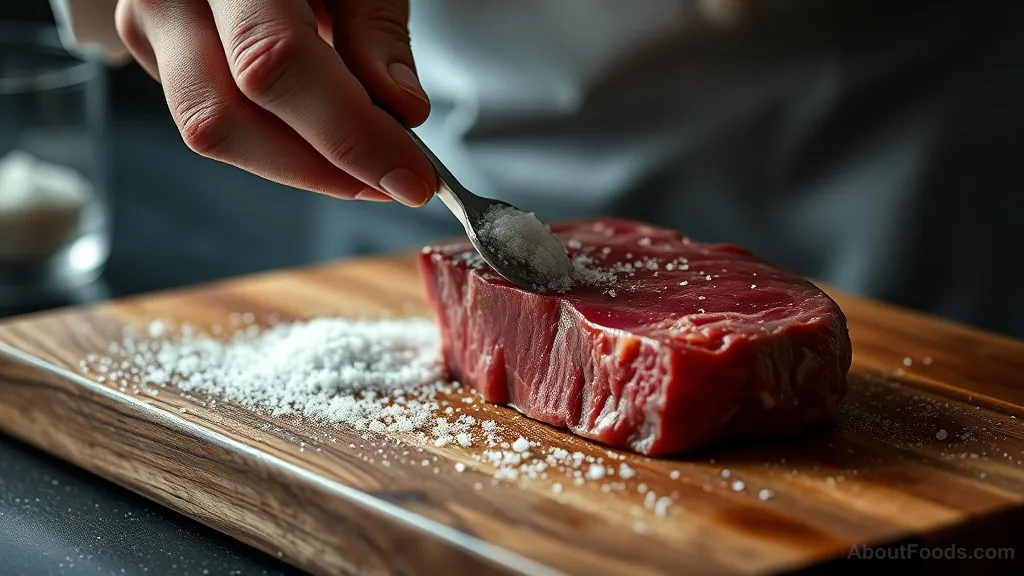
Another popular myth is that you should not salt meat before cooking because it draws out moisture and makes it dry. The truth is more nuanced. Salting meat early (at least 40 minutes before cooking, or even overnight) actually allows the salt to penetrate the meat, improving flavor and tenderness through a process called dry brining. The initial moisture drawn out is reabsorbed. On the other hand, salting right before cooking can indeed draw moisture to the surface, which may hinder browning. So, the myth that salting early is always bad is itself a myth. However, if you have been taught to salt just before cooking to avoid dryness, blindly switching to “salt early” without understanding the timing can lead to disappointing results—especially if you only wait 10 minutes.
The takeaway? Myth busting without context can be harmful. It’s essential to understand the “why” behind the correction. In this case, the safer advice is to salt at least 40 minutes ahead or immediately before cooking, but avoid the 10- to 30-minute window when moisture sits on the surface.
Common Myths That Can Mislead Cooks
As you can see, many myths have a kernel of truth but are too broadly applied. The danger comes when a cook replaces one myth with another oversimplification. That’s why I always advise: learn the principle, not just the rule.
How to Decide Which “Myths” to Trust
- Check the source: Is the advice from a reputable food scientist or a well-tested cookbook?
- Consider the context: Does the technique involve a specific ingredient or cooking method?
- Test it yourself: Try the myth and the correction side by side if possible.
- Look for consensus: If multiple trusted sources debunk a myth
- it’s likely reliable. But if only one source challenges a widely held belief
- be cautious.
- Understand the mechanism: A correction that explains the why is more trustworthy than one that just says “don’t do that.”
In my kitchen, I like to hum a little tune while I cook—it reminds me to stay calm and observant. When I test a myth, I watch closely: How does the meat behave? Does the sauce cling? By staying curious and patient, I’ve learned that the best cooking advice comes from understanding, not just from rules.
Practical Takeaways for Better Cooking
- Sear meat for flavor
- not moisture retention.
- Salt meat early (at least 40 min) or right before cooking
- avoid the middle ground.
- Do not add oil to pasta water
- use plenty of water and stir.
- Do not rinse pasta unless making a cold dish.
- For vegetables
These small adjustments can transform your cooking, but only if you apply them thoughtfully. Remember, the goal is not to follow every new myth-busting trend but to build a reliable mental model of how cooking works.
Frequently Asked Questions
Should I always debunk common cooking myths?
Not always. Some myths, like salting early, are based on incomplete science. Others, like rinsing pasta, are clearly counterproductive. Evaluate each myth based on evidence and context.
How do I know if a myth-busting tip is correct?
Look for explanations grounded in food science, such as the Maillard reaction or protein denaturation. Be wary of tips that sound too simple or absolute.
What if I’ve been following a myth for years and my food tastes good?
It’s possible that other factors compensate, or the difference is small. You don’t have to change, but understanding the science can help you troubleshoot and improve.
Can myth busting cause new problems?
Yes, if the correction is applied incorrectly. For example, salting meat early without waiting long enough can create surface moisture that hinders browning. Always learn the proper technique.
Final Thoughts
Myth busting is a powerful tool, but like any tool, it must be used with care. The best cooks are not those who blindly follow rules or those who reject them, but those who understand the principles behind them. As you continue your kitchen journey, stay curious, test ideas, and trust your senses. And if you ever feel overwhelmed, just take a deep breath and let the aroma of coconut and spices ground you—the kitchen is a place of learning, not perfection.
Rate this article
No ratings yet. Be the first to rate it.

Written by
Ayu Santoso
Specialises in Indonesian cuisineAyu makes rendang that takes 6 hours and is worth every minute. She hums while stirring.
Describe yourself in three words: Calm, humming, smells of coconut.