Proteins And Structure
When Proteins and Structure Help and When They Hurt Your Recipe
Proteins give baked goods, custards, and meats their shape and texture—but the same chemistry that builds structure can also turn it tough, rubbery, or dry. Learn when to encourage protein networks and when to gently break them down.
Proteins: The Invisible Architects of Your Food
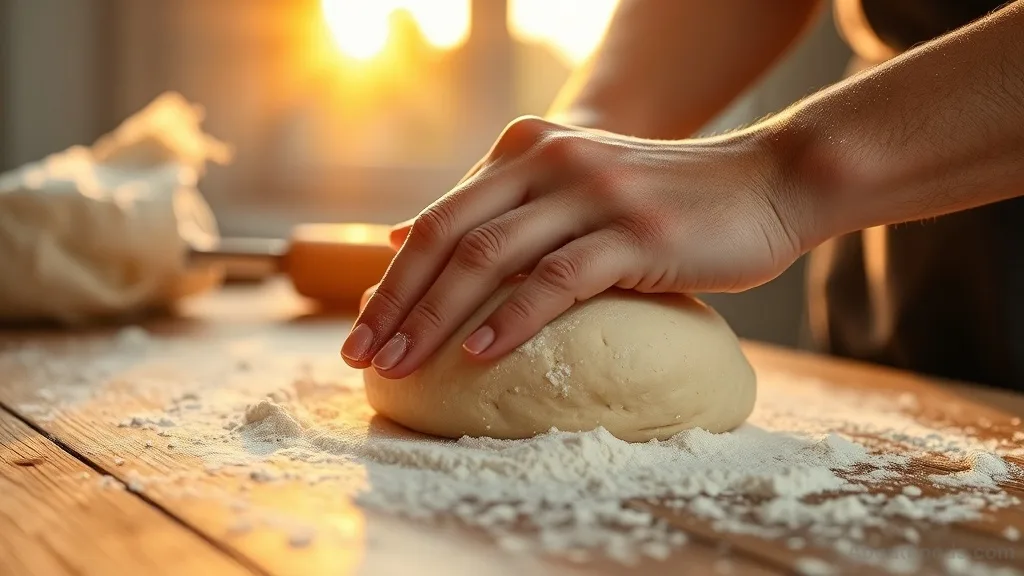
There is a quiet romance in how proteins behave in the kitchen. They are like golden light at dusk – structure and softness, strength and fragility. When you whisk egg whites into a cloud, or knead dough until it bounces back, you are working with proteins. Understanding when to encourage their structure and when to break it down is the difference between a soufflé that rises and a steak that chews like leather. Let us walk through these moments slowly, as the sun sets on your stovetop.
What Are Proteins in Food?
Proteins are long chains of amino acids folded into complex shapes. In food, they are found in eggs, milk, meat, fish, grains (gluten), and even some vegetables. When heated, whisked, or mixed with acids or salts, these chains unwind and then bond with each other – this is called denaturation and coagulation. It is what turns liquid egg white into solid white, and liquid dough into chewy bread. The goal is to control this bonding.
When Protein Structure Helps: The Case of Gluten
Gluten is a protein network formed when wheat flour is hydrated and mixed. It traps gas from yeast or baking powder, giving bread its airy crumb and pizza dough its satisfying chew. Without gluten, your bread would be dense and cake-like. To encourage gluten, you knead or use high-protein bread flour. For delicate pastries, you want less gluten – so you handle the dough minimally and use lower-protein pastry flour. Know your dough’s destiny: a strong network for bread, a weak one for tender scones.
When Structure Hurts: Too Much Gluten in the Wrong Place
Overdeveloping gluten in cookies or pie crust makes them tough and hard. The same protein that gives bread its strength makes a shortbread feel like cardboard. The fix is simple: use a gentle hand, keep your butter cold, and do not overmix. For recipes where tenderness is king, swap some flour for cornstarch or use a lower-protein flour like cake flour. Gluten is a loyal friend – but it does not belong everywhere.
Egg Proteins: Foam and Coagulation
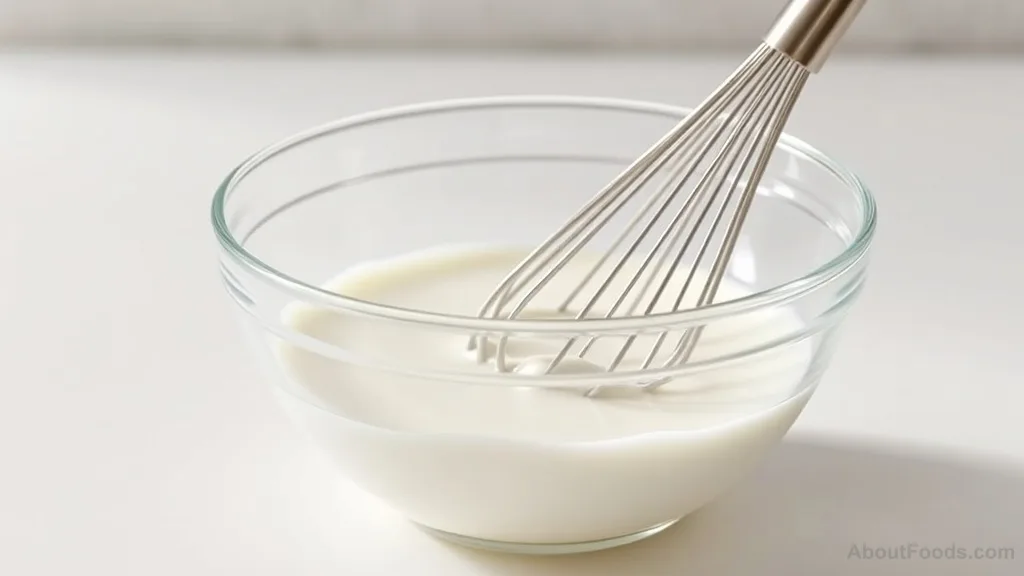
Egg proteins are dual-natured. Whipped into foam, they hold air like a gentle cloud – perfect for meringues, soufflés, and chiffon cakes. But heat them too quickly or to too high a temperature, and they contract tightly, squeezing out moisture and turning rubbery. A soft scramble happens over low heat; a hard-boiled egg that is overcooked gets that green ring and chalky yolk. For custards, gentle heat (under 180°F / 82°C) keeps them silky. Patience is your best tool.
Meat Proteins: Tender vs. Tough
Meat is made of muscle fibers held together by connective tissue (collagen). Collagen dissolves into gelatin with slow, moist heat – think braised short ribs. But if you dry-heat a tough cut, those same proteins contract and become chewy. The key is matching the cut to the cooking method: tender cuts (tenderloin, ribeye) for quick, high-heat searing; tough cuts (chuck, brisket) for low-and-slow braising. Also, cooking to the right internal temperature matters: overcooking a lean steak dries it out as proteins squeeze moisture away. Use a thermometer and rest your meat to let proteins relax.
Dairy Proteins: The Delicate Balance
Milk proteins (casein and whey) can curdle when heated with acid or too much heat. This is why adding lemon juice to milk makes ricotta – controlled curdling. But in sauces or custards, it is unwanted. Stabilize dairy with a little starch or use low heat. And when making yogurt, you want the proteins to set into a gel – a gentle heat encourages that without breaking the curd.
Quick Reference: When to Build Structure, When to Break It
Frequently Asked Questions
The Golden Hour of Your Kitchen
Proteins are not enemies; they are partners. Like the last light of day, they can warm a dish or cast harsh shadows. Respect their nature – know when to coax, when to retreat. Build structure for bread, but forgive it in a cake. Hold eggs gently. Braise with love. And as you lift that golden, perfectly baked loaf from the oven, remember: you have learned to work not against the science, but with it. That is where true skill lives. And it is beautiful.
Rate this article
No ratings yet. Be the first to rate it.

Written by
Eleni Demetriou
Specialises in Greek cuisineEleni Demetriou runs a food blog called 'Olive My Love'. She photographs every meal for 20 minutes before eating.
Describe yourself in three words: Romantic, slow, loves golden hour.