Myth Busting
Why 'Never Wash Your Cast Iron With Soap' Is Outdated Advice (And What to Do Instead)
The old rule against using soap on cast iron is based on outdated chemistry. Modern dish soaps won't damage a well-seasoned pan, and proper cleaning actually helps maintain seasoning and prevent rust.
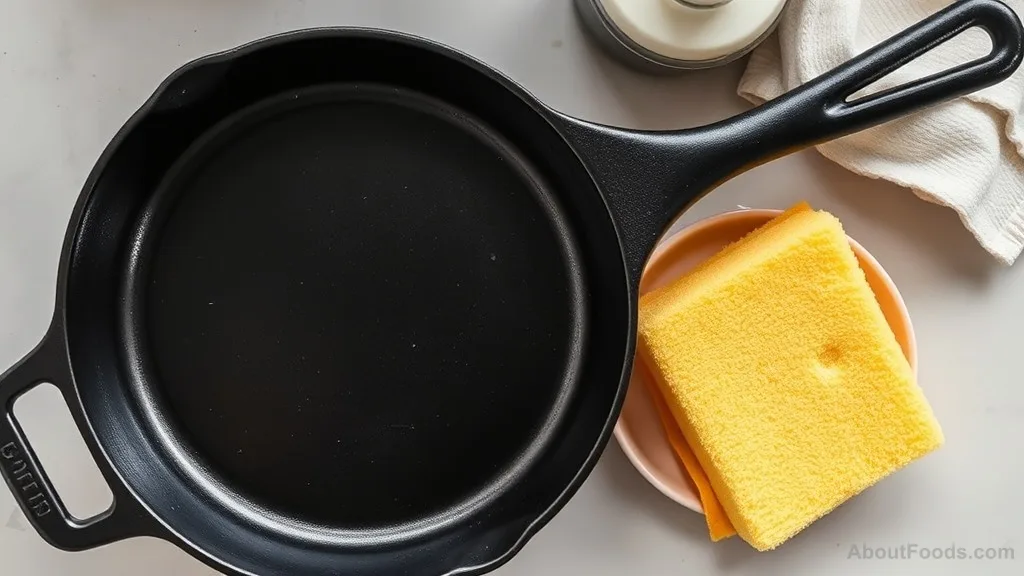
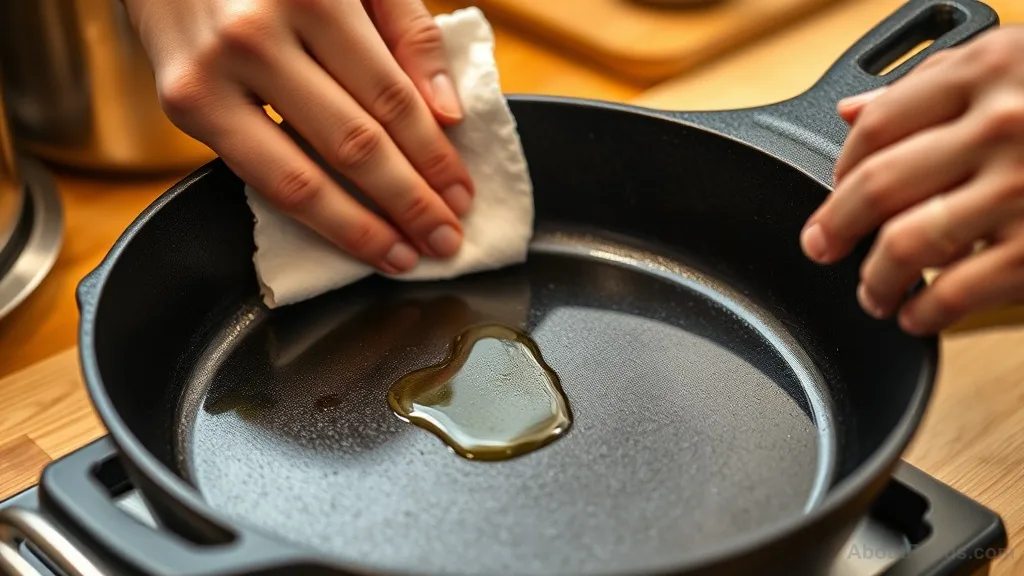
The Origin of the Myth
For generations, home cooks have been told: “Never use soap on cast iron.” This advice once made sense. Before the 20th century, soaps were made with lye (sodium hydroxide), a strong alkali that could strip the polymerized oil layer — the seasoning — from the pan. But modern dish soaps are completely different. They're made with mild surfactants and detergents that are pH-neutral or slightly alkaline, but nowhere near strong enough to break down a well-bonded seasoning.
The Science of Seasoning
Seasoning is not a layer of grease; it's a polymerized coating. When you heat oil on cast iron, the fatty acids undergo a series of chemical reactions — oxidation, polymerization, and carbonization — that form a hard, smooth, plastic-like film. This coating bonds to the iron at a molecular level. Modern dish soap is designed to dissolve loose grease and food residue, but it cannot easily disrupt the strong covalent bonds in the polymer network. In fact, the same science applies to non-stick pans: soap can clean without damaging the coating.
Why Soap Is Actually Beneficial
Skipping soap can lead to a buildup of old food particles and rancid oils. These residues can create a sticky, uneven surface that attracts dust and bacteria. They also interfere with even heat distribution and introduce off-flavors to your cooking. Using a small amount of dish soap with a non-scratch sponge removes all that gunk without harming the seasoning. The result: a cleaner, more non-stick pan that lasts longer.
Common Mistakes to Avoid
- Don't use abrasive scrubbers like steel wool if you have seasoning (they can scrape off the polymer).
- Don't leave the pan soaking in water for extended periods
- it can cause rust.
- Don't use dishwasher detergent — those contain harsher alkalis that can damage seasoning.
- Don't worry about a little soap residue
- rinse well and dry.
Pro Tips from a Lentil Lover
As someone who cooks dal almost every day, my cast iron sees acidic tomatoes (not ideal for every meal, but fine in moderation) and sticky lentils. I clean it with a drop of dish soap after each use. My seasoning has never suffered — in fact, it's better than before I started using soap. For stubborn residues, a paste of kosher salt and oil works wonders as a gentle scrub. If your seasoning does get patchy, a quick stovetop re-seasoning with a thin oil layer fixes it in minutes.
When You Actually Should Avoid Soap
There is one scenario where soap can be problematic: if your seasoning is very new or extremely thin. A single layer of seasoning applied in a quick stovetop treatment may not have fully polymerized and could be vulnerable. But even then, a gentle soap wash won't destroy it entirely. The real enemies of seasoning are prolonged soaking, metal scouring, and high-acid cooking (like simmering tomato sauce for hours). If you accidentally overdo soap, or strip seasoning via acid or abrasion, simply re-season. It's forgiving.
Rate this article
No ratings yet. Be the first to rate it.

Written by
Anaya Patel
Specialises in Indian cuisineAnaya makes a mean dal makhani and owns 14 types of lentils. She alphabetizes them.
Describe yourself in three words: Organized, nerdy, lentil lover.