Food Science
Why Onions Taste Sweeter When They're Browned: The Science of Caramelization
Browning onions transforms their sharp, pungent flavor into a rich, sweet depth through chemical reactions. This article explains how heat breaks down sugars and creates new flavor compounds, helping you master this essential kitchen technique.
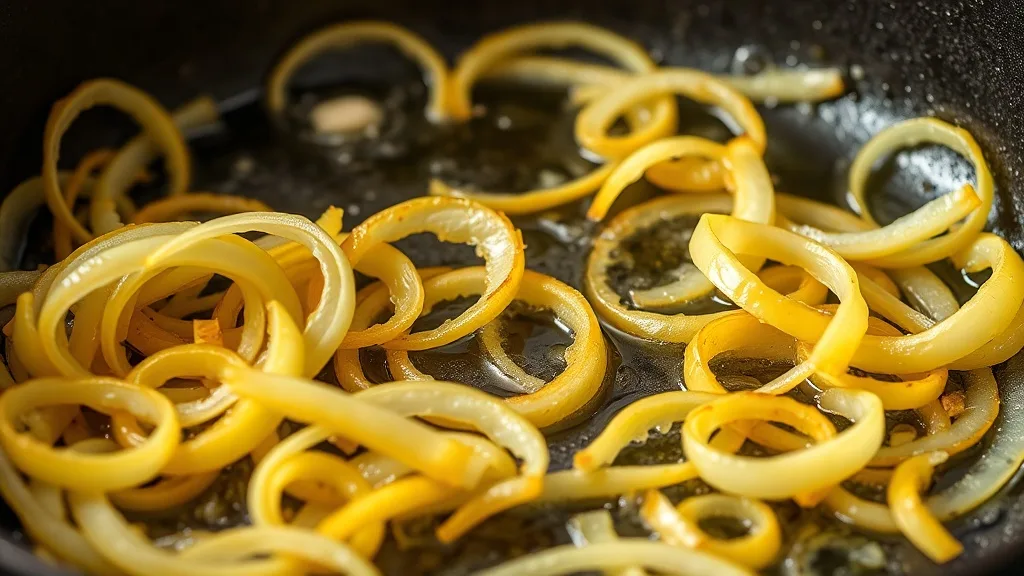
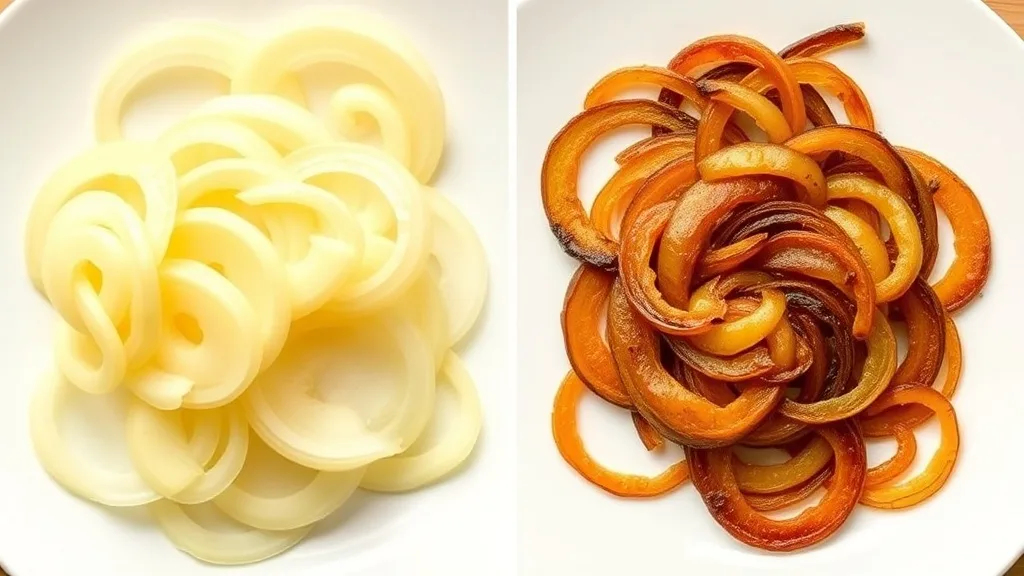
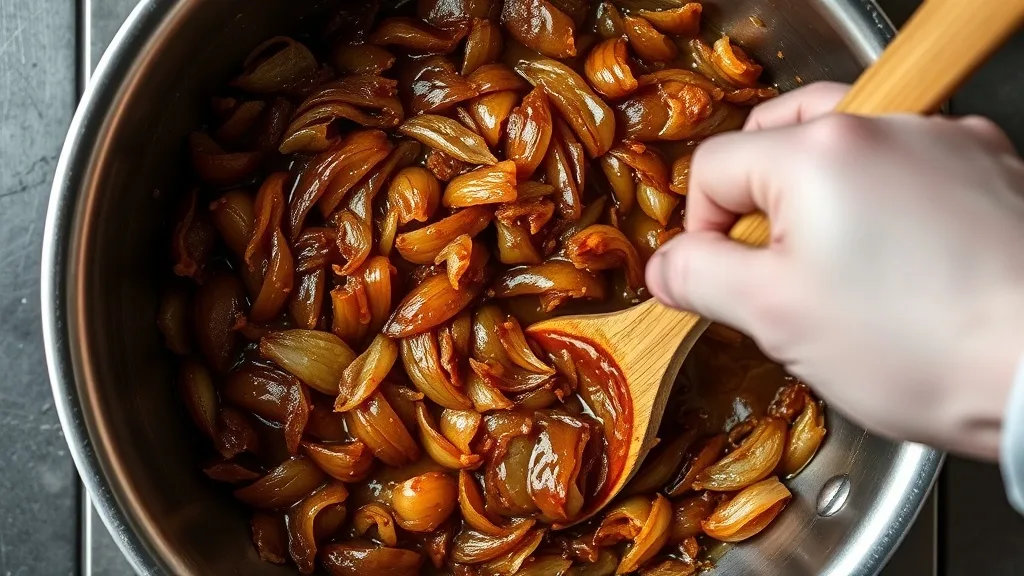
The Sweet Transformation of Onions
If you've ever cooked onions until they turn golden brown, you've experienced one of kitchen science's most delicious transformations. Raw onions have a sharp, pungent bite, but when browned, they become mellow, rich, and surprisingly sweet. This isn't just cooking magic—it's chemistry at work. Understanding why this happens can help you cook onions more intentionally and achieve better results in soups, sauces, and dishes where sweetness matters.
What Happens When Onions Brown?
Browning onions involves two main chemical processes: caramelization and the Maillard reaction. Both occur when heat is applied, but they work differently to create sweetness and depth.
- Caramelization breaks down the natural sugars in onions (like fructose and glucose) into new compounds that taste sweeter and have richer flavors.
- The Maillard reaction occurs between sugars and amino acids (proteins) in the onions, producing hundreds of new flavor molecules that add complexity.
- Water evaporates during cooking, concentrating the remaining sugars and intensifying the sweet taste.
These reactions start around 230°F (110°C) and intensify with time and temperature. Low, slow cooking gives the best results because it allows the reactions to develop fully without burning.
Key Factors That Affect Sweetness
| Factor | How It Works | Tip for Cooks |
|---|---|---|
| Heat Level | High heat can burn sugars quickly; moderate heat allows gradual caramelization. | Use medium-low heat and be patient—it can take 30-45 minutes. |
| Cooking Time | Longer cooking breaks down more sugars and develops deeper flavors. | Stir occasionally to prevent sticking and ensure even browning. |
| Onion Type | Yellow and red onions have more sugars than white onions, so they caramelize better. | Choose yellow onions for the sweetest, most consistent results. |
| Fat Used | Butter or oil helps conduct heat evenly and adds flavor. | Use a tablespoon of butter or oil per large onion. |
How to Maximize Sweetness When Cooking
For extra sweetness, you can add a teaspoon of sugar during cooking, but it's not necessary—onions have plenty of natural sugars. The key is allowing enough time for those sugars to break down and transform.
Common Questions About Browning Onions
Do all onions get sweeter when browned?
Most onions do, but yellow and red onions have higher sugar content and caramelize more effectively than white or sweet onions. Sweet onions (like Vidalia) are already high in sugar and can caramelize quickly, so watch them closely to avoid burning.
Can I speed up the caramelization process?
You can slightly speed it up by adding a pinch of baking soda (which raises pH and promotes browning), but this can make onions mushy. For best texture and flavor, low and slow is the way to go.
Why do my onions sometimes taste bitter instead of sweet?
Bitterness usually means they're burned or cooked at too high a heat. If you see black spots or smell acrid smoke, the sugars have carbonized. Start over with lower heat and more patience.
How do I store caramelized onions?
Let them cool completely, then store in an airtight container in the refrigerator for up to 5 days, or freeze for up to 3 months. They're great for adding instant flavor to dishes.
Putting the Science into Practice
Now that you understand why onions taste sweeter when browned, you can use this knowledge to improve your cooking. Whether you're making French onion soup, a savory tart, or just topping a burger, taking the time to properly caramelize onions will add a layer of sweetness and complexity that raw onions can't match. Remember: heat + time + patience = sweet, flavorful results.
Written by
Nina Santos
Specialises in Asian Fusion cuisineNina Santos is an asian fusion recipe author whose cooking is grounded in cross-cultural Asian fusion cooking with restaurant-inspired flavors and home-kitchen practicality. Their work for AboutFoods focuses on authentic, well-tested home recipes and roughly 50 dishes within the asian fusion section, helping cover a cuisine library of about 150 recipes.