Myth Busting
Why You Should Never Trust the ‘Knuckle’ Method for Cooking Rice
The knuckle method for cooking rice is a popular kitchen myth that can lead to inconsistent and often unsatisfactory results. This article explains why the method is unreliable and provides science-backed techniques for perfectly cooked rice every time.
Introduction: A Method Passed Down Through Generations
I remember my grandmother’s kitchen in Hanoi—the familiar thud of the clay pot on the stove, the scent of jasmine rice blooming in steam. She never measured water with a cup. She used her finger. Touch the rice, add water to the first knuckle. Simple, right? But here’s the thing: that method worked for her because she always used the same pot, the same rice, and the same stove. For the rest of us, the knuckle method is a gamble. In this article, I’ll explain why this beloved trick is scientifically flawed and what to do instead.
What Is the Knuckle Method?
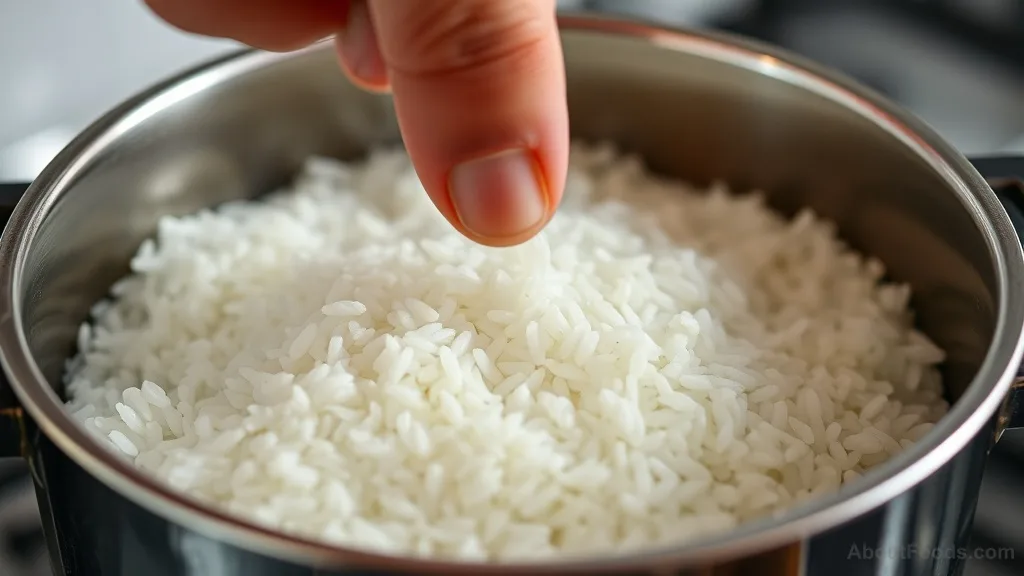
The knuckle method is simple: you add rice to your pot, spread it level, then rest your index finger on top of the rice. Add water until it reaches your first knuckle. Proponents claim it works for any amount of rice and any pot size. But does it really?
On the surface, it seems like a clever ratio—the depth from the rice surface to the water surface equals the length of a finger segment. But this ignores crucial variables.
The Science: Why the Knuckle Method Fails
Cooking rice is about water absorption and gelatinization. Rice grains absorb water and soften as starches gelatinize. The ideal water-to-rice ratio varies by rice type, grain size, and even the age of the rice. The knuckle method doesn't account for any of this.
Let's break down the problems:.
A Simple Experiment to See the Flaw
Grab two different-sized pots—say a small saucepan and a large stockpot. Put one cup of rice in each. Use your finger to add water to the first knuckle. Now, pour the water from each pot into a measuring cup. You’ll likely find different volumes of water, even though the rice amount is the same. That’s the knuckle method in action: inconsistent.
For example, in a narrow pot (6-inch diameter), the water depth of an adult’s knuckle (about 2 cm) yields roughly 350 ml of water for 1 cup of rice. In a wide pot (10-inch diameter), the same depth gives about 1 liter—more than twice as much! That extra water will make your rice soggy.
What Works Instead: Reliable Rice Cooking
For consistently excellent rice, use a simple ratio by volume or weight:.
If you prefer weight, it's even more precise because it accounts for rice density variations. Using a kitchen scale and these ratios ensures that the water volume is accurate regardless of pot shape.
Cooking method: rinse the rice, add water according to the ratio, bring to a boil, then cover and simmer on low heat until all water is absorbed. Let it rest off heat for 10 minutes before fluffing.
Some electric rice cookers have markings inside the pot for different rice types. Use those markings—they are calibrated for that specific pot and are more reliable than your knuckle.
When Does the Knuckle Method Actually Work?
Despite its flaws, the knuckle method can be surprisingly consistent if you always use the same pot and the same type of rice. Over time, you might develop an intuitive feel. But for home cooks who use different pots, different rices, or cook varying quantities, it’s a recipe for disaster.
So, if you have a dedicated rice pot from your grandmother and you only cook one brand of white rice, maybe keep using the knuckle. But for everyone else, it’s time to trust science over tradition.
Frequently Asked Questions
Does the knuckle method work for brown rice?
No. Brown rice requires more water and a longer cooking time. The knuckle method will likely result in undercooked, hard brown rice.
Is the knuckle method accurate for any pot shape?
No. Pot width significantly affects the water volume for the same finger depth. For consistent results, use a ratio.
What if I use a rice cooker with a knuckle marking inside the pot?
Those markings are often customized for that specific rice cooker model and are more reliable than your finger because they account for the pot’s shape. But it’s still better to use the markings provided than your own knuckle.
Can I use the knuckle method in a deep pot?
The knuckle method yields a fixed water depth, but in a deeper pot with a smaller diameter, the water volume per depth is lower. So you may end up with too little water for the rice amount. It’s not recommended.
Rate this article
No ratings yet. Be the first to rate it.

Written by
Linh Tran
Specialises in Vietnamese cuisineLinh Tran makes ca kho (caramelized fish) in a clay pot that has been in her family for 60 years.
Describe yourself in three words: Nostalgic, gentle, caramel smell.