Kitchen Techniques
Why You’ve Been Peeling Ginger Wrong (You Don’t Need To)
Learn how to prep ginger faster and reduce waste: the skin is perfectly edible and packed with flavor. We debunk the peeling myth with science and share a simple no-peel trick.
The Big Ginger Myth
Here’s a quick question for you: when was the last time you peeled ginger? I’ll bet it was recent. Maybe for a stir-fry, or a ginger tea, or the foundation of a curry – we Indians use ginger every single day, in everything. And nearly every recipe (and almost every home cook) starts the same way – peel that wrinkly brown skin off.
But what if I told you there’s a science-backed reason not to peel it? That the ginger skin is not only perfectly safe to eat, but also tasty? Yes – you heard me – you have been peeling ginger the wrong way. Actually, you don’t need to peel ginger at all, unless you really, really want to. Let’s clear up the confusion.
What’s So Special About Ginger Skin?
First, we need to understand what ginger skin is made of. Like the skin on many roots (potatoes, turmeric, carrots), the outer layer of ginger is a thin periderm – it protects the moisture-packed flesh inside. The key compounds in ginger that give it that heat and zing – gingerols, shogaols, zingerone – are present in both the skin and the flesh. But here’s the fun bit: research has found that the skin actually concentrates a different set of aromatic compounds that complement the flesh – think of it like the difference between eating the white part of a leek and its tougher green leaves: both are leek, but each has a subtler, slightly different vibe.
Does that mean the skin adds bitterness? Not quite. The concentration of phenolic compounds is slightly higher in the skin but negligible for any off-flavour in a typical dish. Texture-wise, raw ginger skin can be fibrous (like a very thin celery string), but once cooked, it softens right down. Problems? Only one: the rough appearance – but who cares about that when we're throwing it into a bubbling curry, am I right?
The Texture Test: Raw vs Cooked
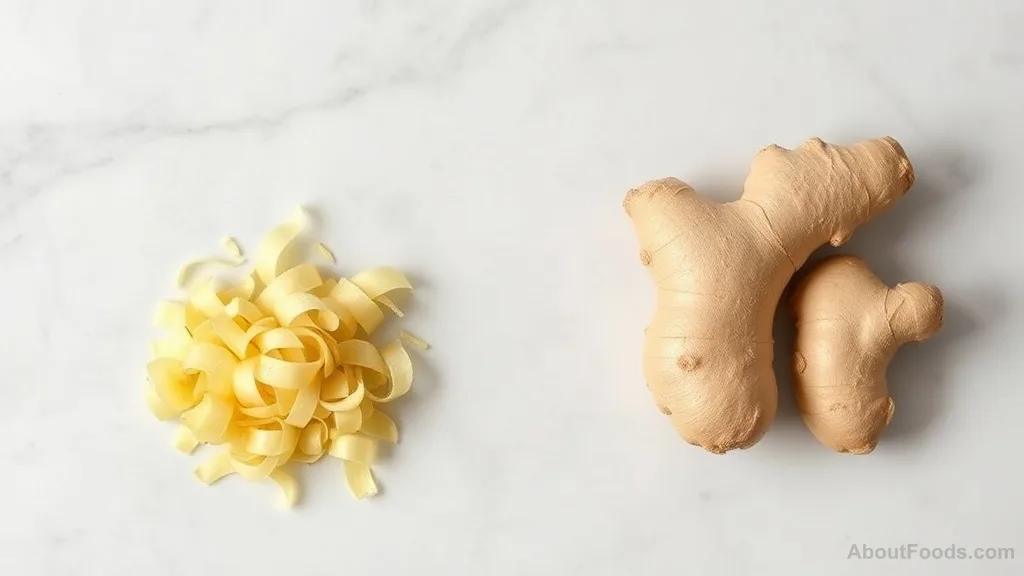
Let’s tackle the real hesitation: “But, but, Ravi – doesn’t the skin feel stringy or papery when I bite into a piece?” Fair point. It depends on the context, my friend. If you are making a quick stir-fry and you slice ginger into thin delicate strips (julienne, for a visual image), the fine knife work practically eliminates any textural notice of the skin. The strips are small enough that the soft fibres of the skin are imperceptible in the dish. When grated fresh onto a salad dressing? That works too – the fine grating shreds the skin so small it just disappears.
For dishes where the ginger gets cooked (like a slow simmer or a bhuna base), that vanishing-trick is even more effective. The long, heat-soft cooking makes fibres relax. If, on the other hand, you want a very special garnish or a sushi-style delicate presentation (e.g. thinly sliced pickled ginger), you might want to peel for sheer aesthetics – and that’s okay, but not mandatory.
The Spoon Trick: No Peeler Required
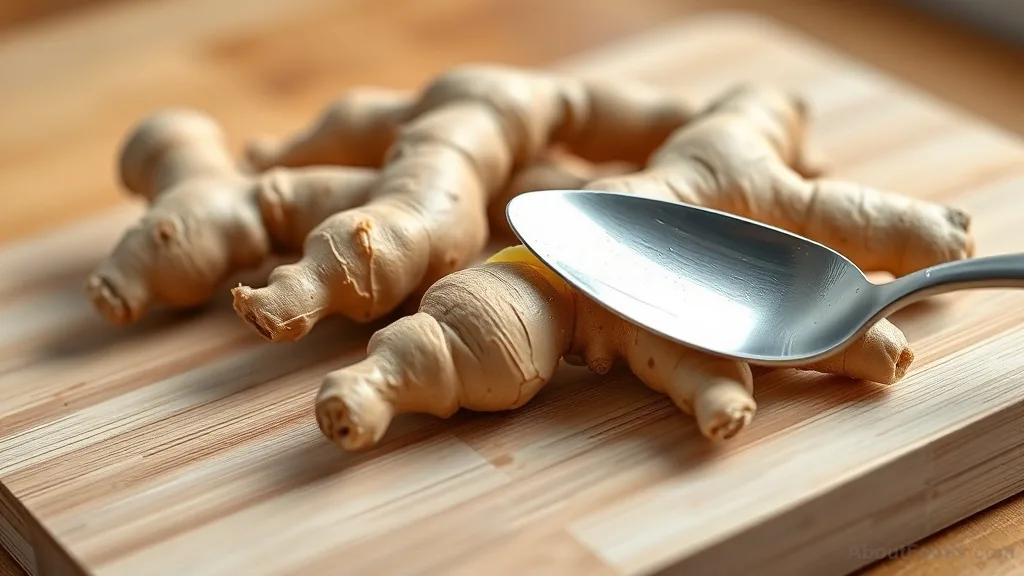
Alright, say you are still nervous about that knobby nub and just HAVE? No problem – but let’s do it without a peeler. Forget that Y-shaped blade, forget the paring knife (too easy to lose fingertips). The best tool for peeling ginger isn't really meant for peels – it’s a lightweight teaspoon.
If you really can't abide any peels, this trick minimizes wastage – you lose only about one to two grams per inch of ginger, compared to nearly eight to ten grams with a sharp peeler. Science fact: those linear vegetables are worth some gold units around here! Or, as my grandmother used to say – “Beta, peel wisely, waste thrice.” Well, she never actually said that, but she might have.
A Quick Word on Food Safety
Obviously, you need to wash the ginger before any of this. Dirt and thin-layer bacteria often cling to dried root surfaces – especially if imported. But don't use a detergent; a simple scrub in running water (sparingly) for ten seconds does the equivalent. Once clean, the surface is consumption-safe as any other skinned produce. Soap and boiling-not needed.
<strong>Last note:</strong> If you have a particularly dehydrated or shriveled piece of ginger – you know, at the horror corner of your fridge – the skin may be tough, cracked, or even beginning to look mould-like. Then yes, please peel. But for fresh firm ginger? Rinse and use as is. The rewards: less preparation time and less food waste.
Summing Up: Peel No More?
Perfect. Next time you fetch ginger in your market trip – pick the unwrinkled root, bring home rinse under tap, chop with skin intact directly. Yield: less food waste, more kitchen joy, quite exactly spicy treat. Don’t trust the home-cooked instinct – and don’t peel wrongly though. Share with grandparents who consider me their least mannerite but effective grandson technology; this rule's equally correct.
Rate this article
No ratings yet. Be the first to rate it.

Written by
Ravi Sharma
Specialises in Indian cuisineRavi is a former IT consultant who now runs a popular YouTube channel called 'Dal-vid'. His tarka technique is flawless.
Describe yourself in three words: Enthusiastic, pun-loving, explains everything twice.